

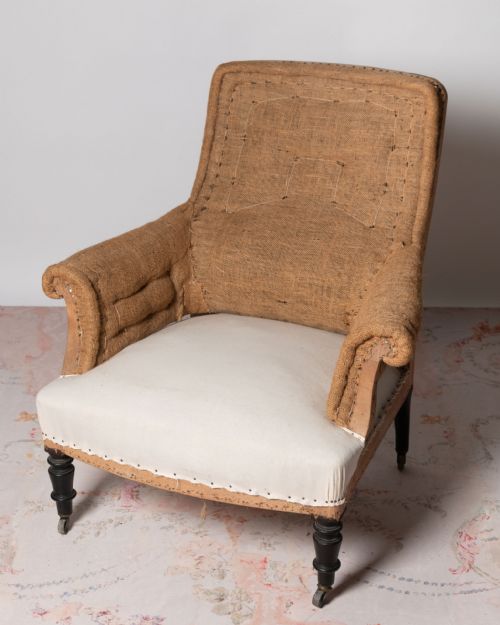
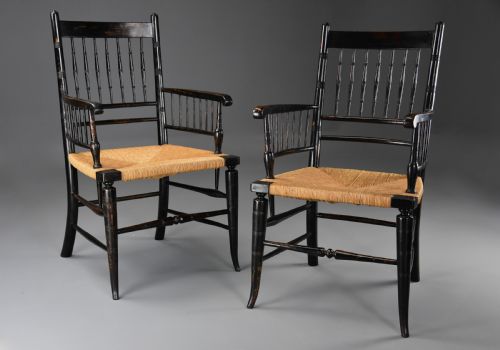

19th Century Ebonised Armchair
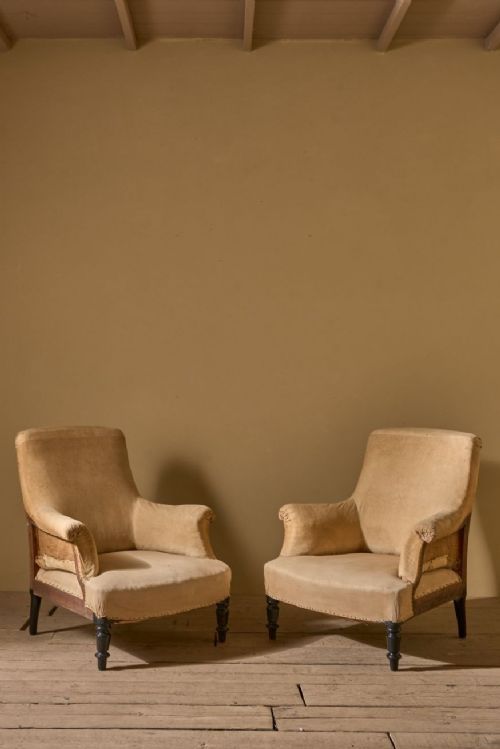
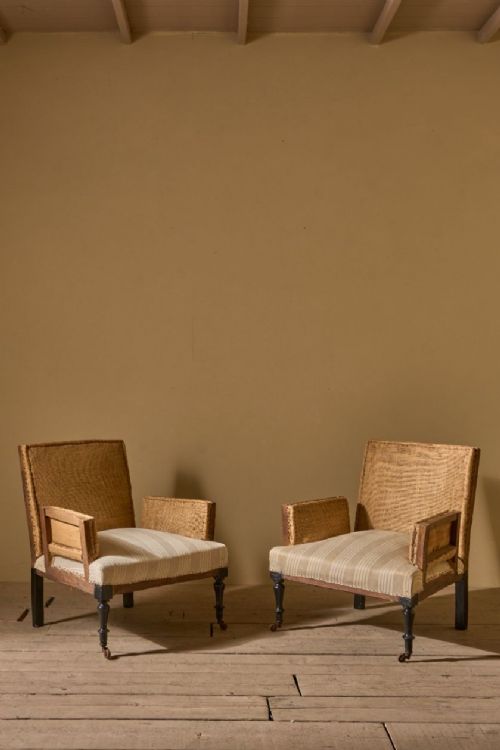
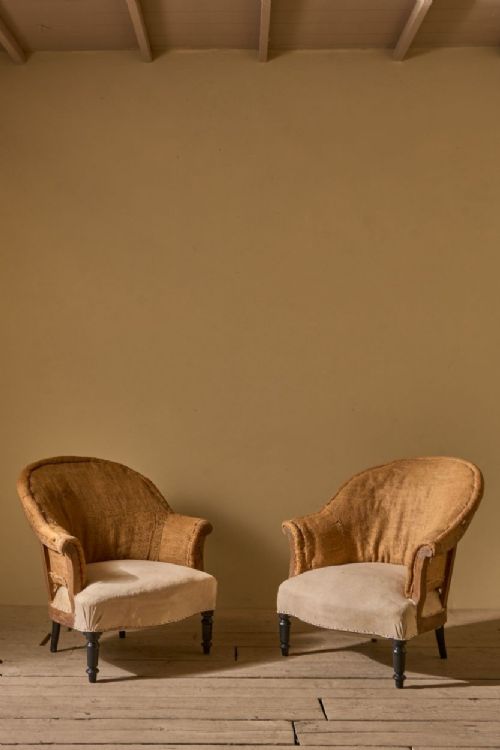
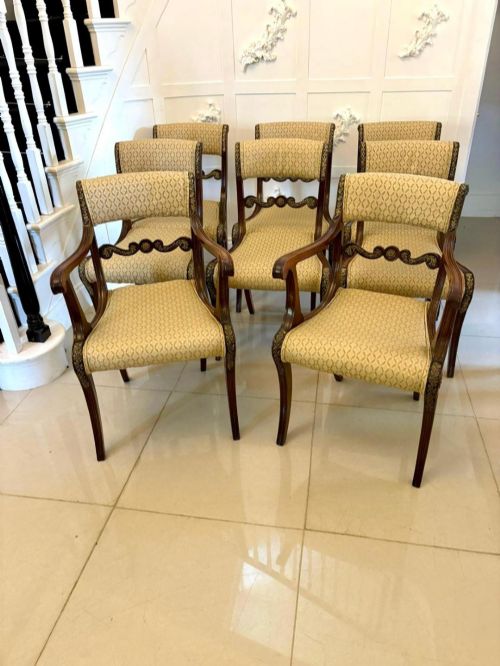
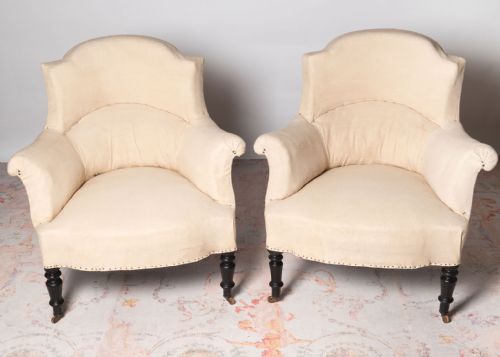
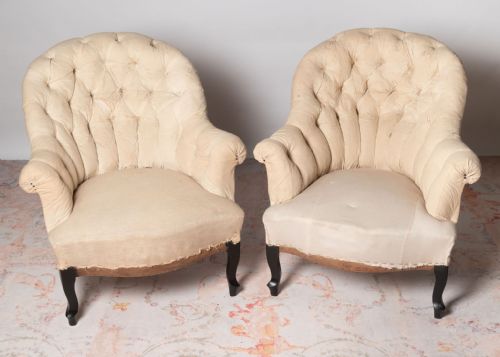
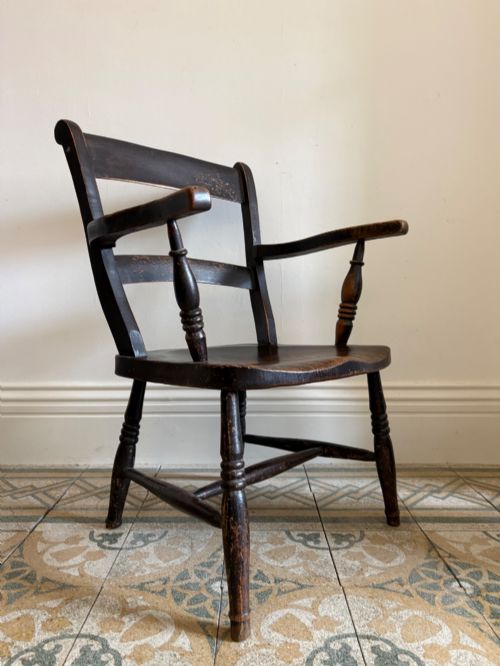
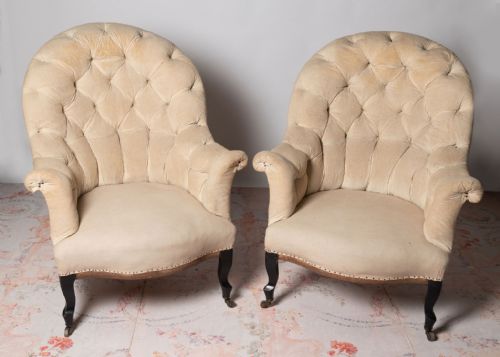
These 19th century ebonised armchairs bring dark, dramatic wood finishes and varied seating forms into a room.
19th Century Ebonised Armchair
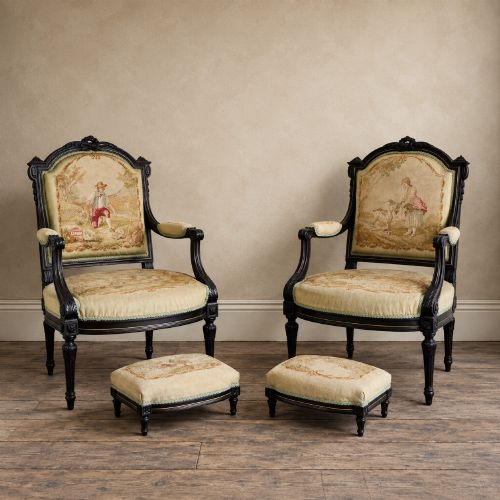
A 19th century ebonised armchair brings together dark-stained or painted wooden frames and varied seating forms ranging from library chairs to low salon styles. Buyers navigating this selection encounter distinct regional variations, including French Napoleon III designs, English aesthetic movement pieces, and Swedish birchwood examples.
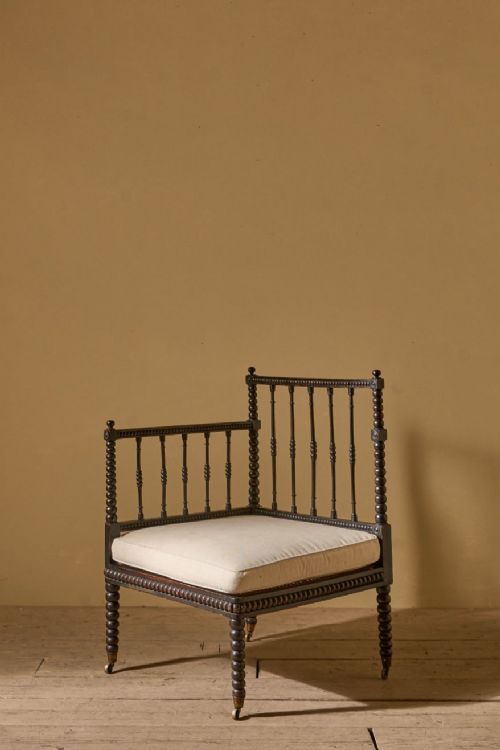
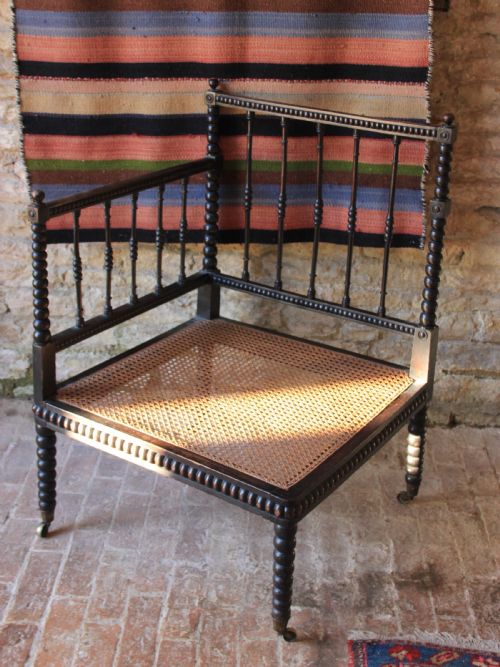
The evidence shows numerous functional forms, with corner chairs, tub chairs, and nursing chairs appearing alongside library armchairs. Many examples survive in pairs, particularly within French salon and Regency groupings.
Makers and attribution markers point towards notable workshops and designers such as Morris and Co., Gillows, and Collier and Plucknett. Dating spans across the Victorian era, the Regency period, and the later years of the nineteenth century.
Materials and construction
Frames are constructed from foundational hardwoods such as beech, ash, elm, mahogany, and birch, which are then ebonised to simulate costly exotic timbers like ebony. Secondary decorative elements incorporate gilt metal mounts, brass details, and carved motifs.
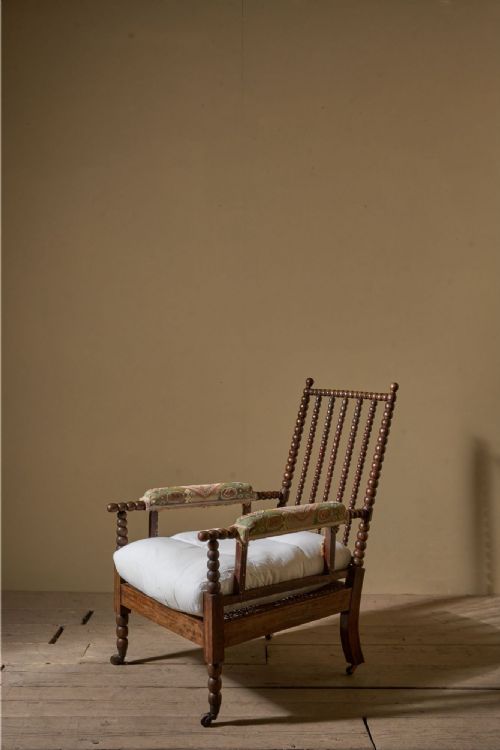
Upholstery relies on traditional stuffing supported by materials like calico, hessian, and cotton, while specific seating forms utilise woven cane or leather inserts. Woodturning techniques create distinctive bobbin-turned or spool-moulded framing components.
Several armchairs arrive in matched pairs labelled 'His' and 'Hers', proving that Victorian couples even argued in tandem.
Assessing quality in ebonised seating
Quality rests in the crispness of the wood turnings and the depth of the ebonised finish, where hand-applied polish reveals the underlying timber grain rather than masking poor surface preparation. Superior examples retain original fire gilding, intact metal mounts, and precise carving on structural details like lion heads or scroll arms.
The integrity of the frame construction, particularly in turned bobbin joints and stress points on library and reclining chairs, separates standard utility pieces from exhibition-grade workshop output. Surviving upholstery foundations utilising period-correct hessian and calico further indicate higher tier production.
Morris and Co·Gillows·Collier and Plucknett·Maple and Co
The 19th Century Ebonised Armchair Glossary
- Ebonised wood
- Timber stained, painted, or polished to resemble dense, black ebony. This dark finish became particularly fashionable during the Victorian and Aesthetic movement periods.
- Bergère
- An enclosed armchair with upholstered sides and a exposed wooden frame. These French-influenced forms often include cane work or buttoned padding.
- Aesthetic movement
- A late nineteenth-century design style emphasising visual beauty over narrative content. Pieces from this movement frequently combine ebonised surfaces with gilt detailing and simpler structural lines.
- Library armchair
- A sturdy, deep-seated chair designed for reading and study. They often incorporate leather upholstery and reclining mechanisms.
19th Century Ebonised Armchair: Frequently Asked Questions
What is an ebonised armchair?
An ebonised armchair is a nineteenth-century seat featuring a dark, black-finished wooden frame designed to imitate ebony. These chairs range from simple bobbin-turned corner seats to grand library and salon armchairs.
The style covers various aesthetic movements and regional origins, including French Napoleon III designs and English Regency pieces.
How do I date a 19th century armchair?
Dating relies on identifying stylistic markers, construction techniques, and materials characteristic of specific decades within the nineteenth century. Regency pieces often display classical mahogany framing, while later Victorian and Aesthetic movement examples utilise ebonised finishes and bobbin turnings.
Attributions to known workshops or specific design movements also help narrow down the production period.
Where were these chairs used?
These armchairs served multiple domestic functions in nineteenth-century homes, appearing in libraries, drawing rooms, and bedrooms. Specific forms like nursing chairs and folding campaign chairs were tailored for particular rooms and uses.
Pairs were commonly placed in formal reception spaces and French-style salons.
How do I care for ebonised wood?
Ebonised surfaces require gentle dusting with a soft, dry cloth to prevent scratching the dark finish. Avoid using harsh chemical cleaners or silicone polishes that can degrade the historic polish.
Keep the chairs away from direct sunlight and strong heat sources to protect both the wood finish and the underlying upholstery materials.