




Eastern Caucasian Rug
An eastern caucasian antique rug brings bold tribal geometry and saturated natural dyes into a room, offering centuries of regional weaving heritage.
Eastern Caucasian Rug
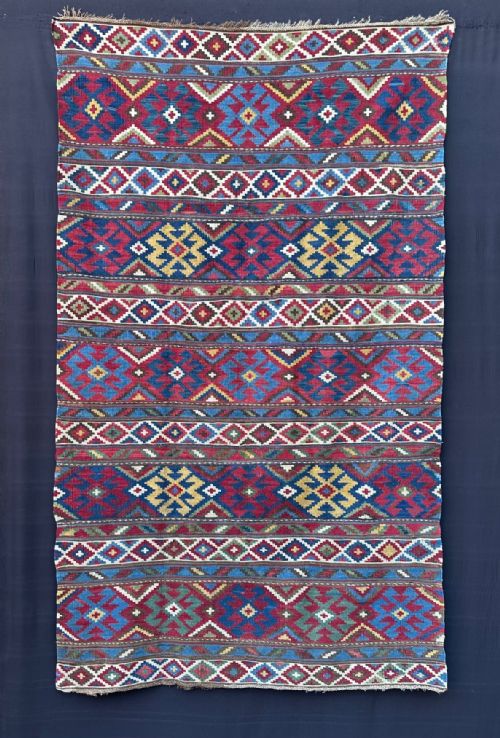
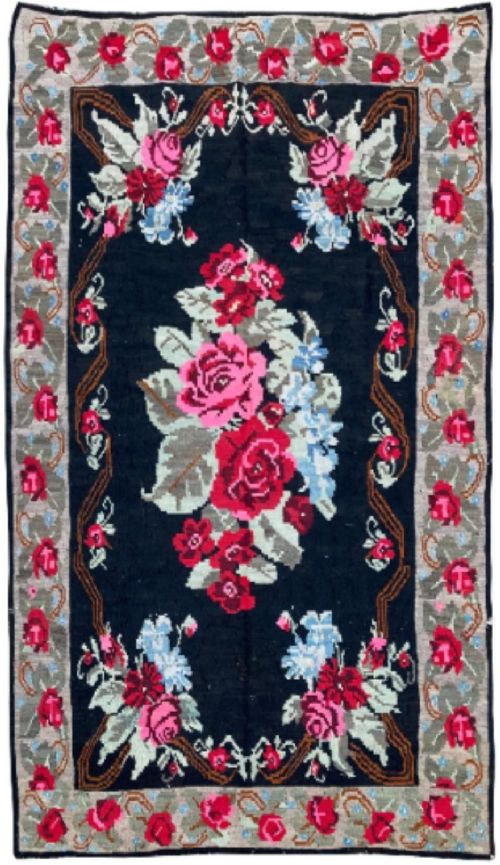
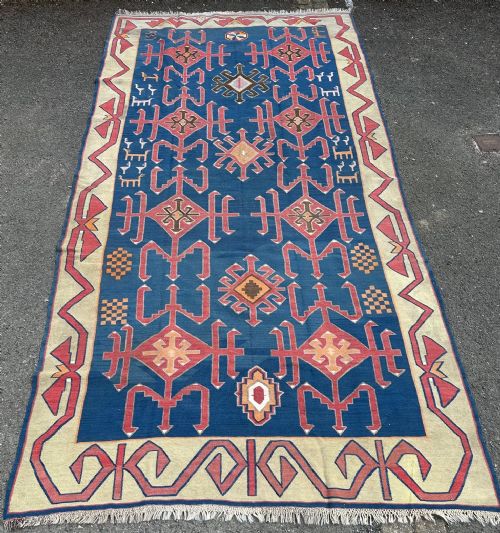
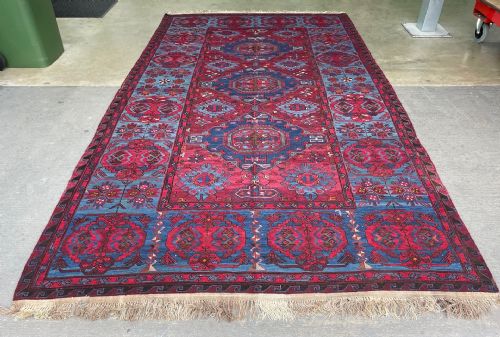
An eastern caucasian antique rug encompasses flat-weaves, pile carpets, and prayer rugs originating from the Caucasus region. The pieces on this page span from the late nineteenth century to the mid-twentieth century, showcasing distinct tribal traditions.
Most examples hail from specific weaving areas such as Shirvan, Daghestan, Kuba, and Gendje. Buyers regularly encounter flat-woven kilims and soumak carpets alongside piled village rugs and runners.
The aesthetic is defined by geometric motifs, stylized animal forms, and architectural prayer arches. These floor coverings reflect the specific cultural identities of tribes like the Avar and Kurdish village weavers.
How they were made
The construction relies on hand-spun wool for both the foundation warps and the surface pile or flat-weave structure. Cotton occasionally appears in the foundational elements of later pieces.
Weavers utilised natural dyes to achieve deep palettes of reds, blues, and earth tones that age with a rich patina. Soumak technique employs a wrap-faced weft-float method that creates a textured, durable reverse side.
Bird rugs from Shirvan often feature stylized creatures that local folklore mistook for avian shapes.
What varies in quality
Quality rests in the precision of the geometric drawing and the saturation of the natural dye palette. Tighter knotting or finer flat-weave execution elevates a piece within its regional type.
The integrity of the original borders and the crispness of the tribal motifs distinguish exceptional examples from simpler village work. Structural survival and wool quality ultimately determine the standing of each rug.
The Eastern Caucasian Rug Glossary
- Kilim
- A flat-woven carpet produced without a pile, featuring sharp geometric pattern transitions. These textiles rely entirely on the interlacing of warp and weft threads.
- Soumak
- A brocading technique where coloured weft threads are wrapped around the warp threads for added structure. This method creates a thicker, textured face with loose threads visible on the reverse.
- Prayer-Rug
- A small carpet featuring a mihrab or niche design indicating the direction of Mecca. These rugs were historically used for daily devotion.
- Natural Dyes
- Colourants derived from plants, insects, and minerals before the introduction of synthetic alternatives. They produce complex, harmonious shades that soften gracefully over time.
Eastern Caucasian Rug: Frequently Asked Questions
Where were eastern caucasian antique rugs made?
These rugs were woven in the mountainous Caucasus region situated between the Black Sea and the Caspian Sea. Specific production centres include Shirvan, Daghestan, Kuba, and Gendje.
Different tribes and villages within these districts developed distinct local designs, colour palettes, and weaving techniques that identify their origin.
How do I care for an antique rug?
Protect the rug by placing a quality underlay beneath it to prevent slipping and reduce fibre wear from foot traffic. Vacuum gently with the suction attachment rather than a rotating brush.
Keep the textile out of direct sunlight to prevent natural dye fading. Rotate the rug periodically to ensure even exposure and wear.
What is the difference between a kilim and a pile rug?
A kilim is flat-woven without any raised pile, resulting in a lightweight textile that functions well as a decorative hanging or floor covering. The pattern is created by tightly packing the coloured weft threads across the vertical warps.
Pile rugs feature knotted vertical tufts that stand upright from the foundation, providing a softer, thicker cushion underfoot. Both types utilise traditional wool and natural dye materials.
How can I tell the age of these rugs?
Age is determined by analysing the materials, dye types, and structural characteristics visible in the weave. Hand-spun wool and specific regional dye palettes often point towards the late nineteenth and early twentieth centuries.
Stylistic motifs and structural wear patterns also help place a rug within its historical production period.