





Earthenware Wedgwood Pottery
These earthenware wedgwood pottery pieces span centuries of fine ceramic design, offering collectors distinctive tableware and decorative forms.
Earthenware Wedgwood Pottery
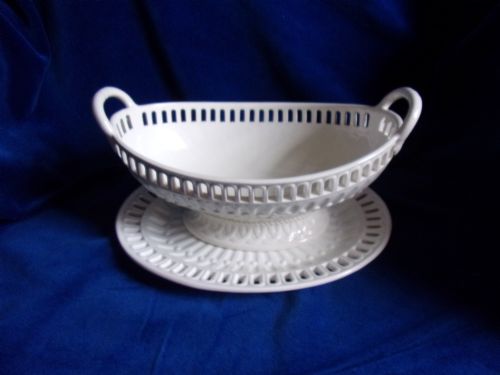
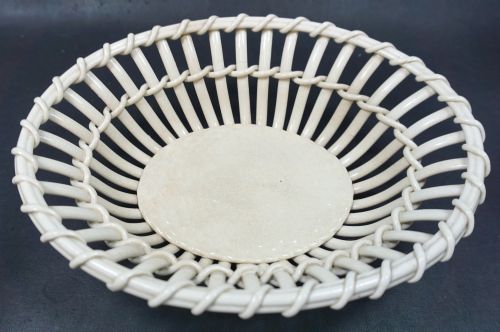
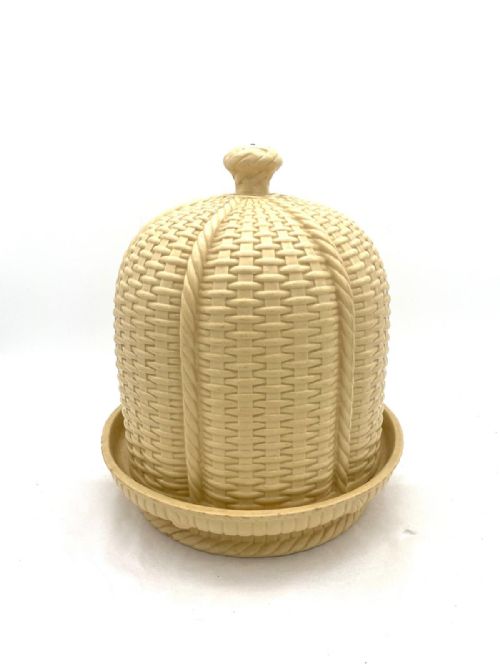
When you search for earthenware wedgwood pottery, you encounter a diverse selection of historical items originating from the 18th century through to the Art Deco period. The inventory comprises utilitarian and decorative forms, including creamware dinner plates, pudding bowls, serving platters, and cheese domes.
You are most likely to meet creamware tableware on this page, often featuring armorial details or woven basket textures. Pieces span Georgian, Victorian, and Edwardian styles, reflecting changing domestic tastes across generations.
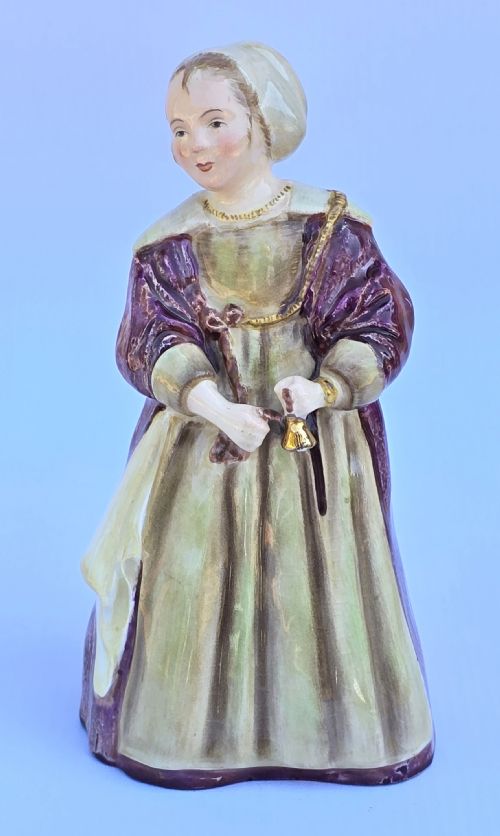
The selection also includes caneware game pie dishes, drabware dessert services, and occasional decorative figures. Each object demonstrates the practical application of earthenware within British households of the past.
How they were made
Potters utilised earthenware bodies, developing specific variations such as creamware, caneware, and drabware. These ceramic substrates provided a reliable base for subsequent decoration and structural moulding.
Decoration involved the application of lead glaze, enamel pigments, and occasional gilding to enhance the visual appeal of the tableware. Specialised techniques also produced variegated lustre effects and intricate basket weave textures.
Moulding and throwing shaped the diverse forms, from flat dinner plates to deep pudding bowls and lidded cheese domes. Firing processes transformed the raw clay into durable domestic objects.
Earthenware Wedgwood Pottery Retail Price Guide 2026
Typical asking prices for earthenware wedgwood pottery among the pieces listed under this phrase on Sellingantiques today, from the lower quarter to the upper quarter. They describe what is for sale here now, not the wider market.
A cheerful puppy seller and a girl with a bell brighten up the ceramic lineup.
What varies in quality
The sophistication of surface decoration distinguishes finer examples from simpler utilitarian wares. Enamel detailing, armorial painting, and controlled gilding demand greater skill than plain glazed bodies.
Form and moulding precision also define the gradation between pieces. Intricate basket weave reliefs and well-balanced vessel proportions indicate careful craftsmanship during production.
Wedgwood·Wedgwood and Co Ltd·Keith Murray
The Earthenware Wedgwood Pottery Glossary
- Creamware
- A refined cream-coloured earthenware developed in the 18th century. It superseded heavier salt-glazed stonewares for domestic dining.
- Caneware
- A buff-coloured unglazed earthenware resembling bamboo or cane in tone. It gained popularity for kitchen and table wares during the Georgian period.
- Drabware
- A dense earthenware body featuring a muted brownish-grey or olive hue. It was frequently utilised for 19th-century utility and dessert services.
- Armorial
- A design incorporating a family coat of arms or crest. Such decoration was often hand-painted onto bespoke creamware dinner services.
- Lustre
- A metallic film applied to ceramics to produce an iridescent sheen. Potters achieved varied effects through specialised kiln firings.
Earthenware Wedgwood Pottery: Frequently Asked Questions
What is creamware?
Creamware is a light-coloured earthenware body developed during the 18th century for domestic tableware. Its smooth surface made it a popular choice for armorial services and printed designs.
Potters refined the clay recipe over decades to achieve a pale, uniform tone that suited formal dining tables.
How do I care for antique earthenware?
Antique earthenware requires gentle handling and should be washed by hand in warm water rather than placed in a dishwasher. Avoid sudden temperature changes to protect the historic glaze.
Store pieces securely on stable surfaces away from direct sunlight to preserve any delicate enamel painting or gilding.
What is caneware?
Caneware is a type of buff-coloured earthenware that gets its name from its resemblance to natural cane. It was commonly used for pie dishes and kitchen ceramics.
The unglazed exterior provided a tactile surface suited to utilitarian vessels.
How do I identify Art Deco pieces?
Art Deco pieces from the 1930s often feature streamlined geometric forms and clean architectural lines. Designers like Keith Murray introduced modernist aesthetics to ceramic production.
Look for simplified shapes and minimal surface ornamentation that reflect the design ethos of the interwar period.