




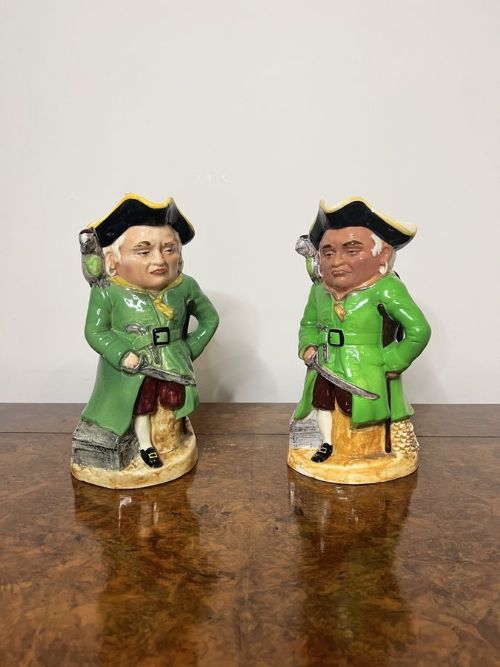


Traditional English Earthenware
Traditional English earthenware brings honest country character and domestic history straight into a room through slipware, glaze, and clay.
Traditional English Earthenware
Traditional English earthenware encompasses functional vessels, figures, and dairy wares shaped from clay across centuries of domestic production. The pieces seen here span periods from the seventeenth century through the Georgian and Victorian eras up to the mid-twentieth century.
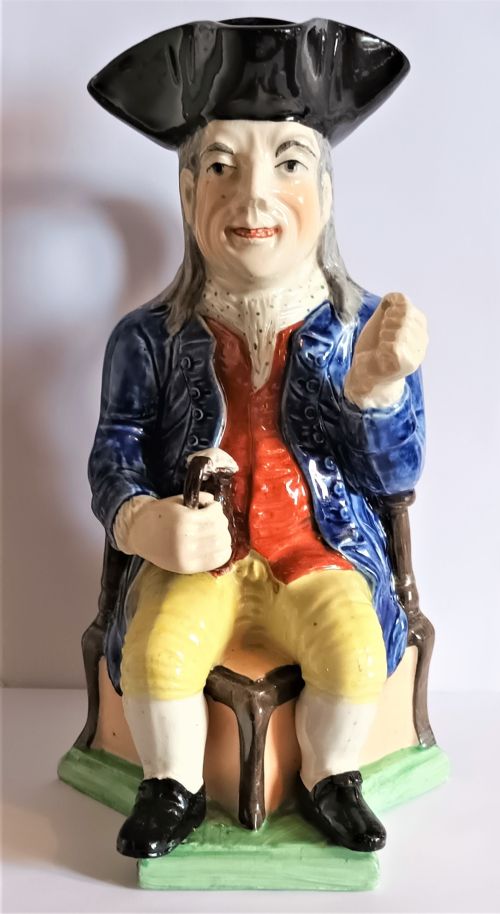
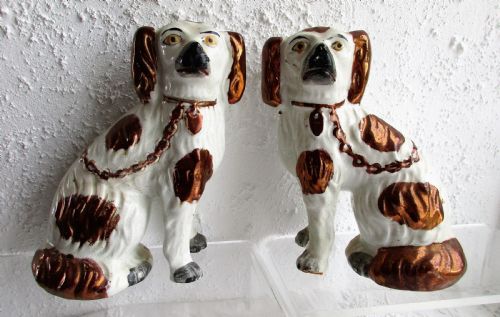
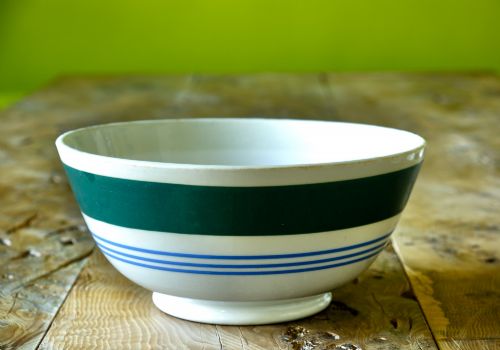
Jugs, dairy bowls, Toby jugs, and Staffordshire figures dominate the selection, reflecting the practical and decorative output of English potteries. These items range from utilitarian kitchen bowls to mantelpiece animals and commemorative tavern vessels.
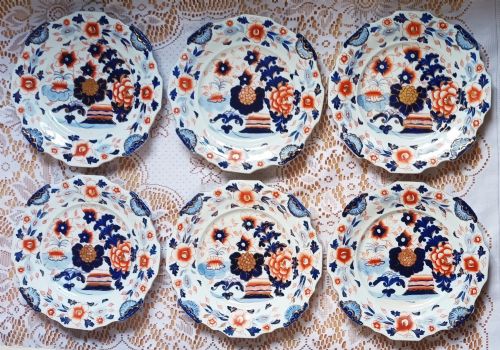
Regional potteries supply much of the stock, including Verwood, Doulton Lambeth, Poole, and T G Green alongside unmarked Staffordshire works. Buyers will frequently encounter nineteenth-century Staffordshire dogs, slipware jugs, and transfer-printed plates.
Materials and Techniques
Potters shaped native clay into domestic forms, applying slip, lead glaze, or enamel colours before firing the ceramic body. Many items utilise simple slip-trailing or dipping techniques to create patterned surfaces on bowls and jugs.
Decorated pieces often feature transfer printing or hand-painted details over an earthenware base, occasionally accented with gold leaf or rich treacle glazes. The physical weight of the clay and the pooled thickness of the lead glaze define the tactile quality of each vessel.
Traditional English Earthenware Retail Price Guide 2026
Typical asking prices for traditional english earthenware among the pieces listed under this phrase on Sellingantiques today, from the lower quarter to the upper quarter. They describe what is for sale here now, not the wider market.
Nineteenth-century Staffordshire spaniels were often placed facing inwards on mantelpieces to guard the hearth.
What Varies in Quality
Quality rests on the crispness of the modelling in figures and the depth of the glaze on utilitarian vessels. Early slipware displays spontaneous handling of the liquid clay, whereas mass-produced nineteenth-century wares depend on the precision of the transfer print or mould.
Surface preservation and original finish determine the standing of individual items, particularly on glazed surfaces that receive heavy kitchen use. The clarity of moulded details in Staffordshire animals or Toby jugs separates standard production from superior examples.
T G Green Pottery·Verwood Pottery·Doulton Lambeth·Poole Pottery·William Adams·Wedgwood
The Traditional English Earthenware Glossary
- Earthenware
- Porous pottery fired at lower temperatures than stoneware or porcelain. It requires a glaze to hold liquids.
- Slipware
- Pottery decorated with slip, which is liquid clay applied to the damp body before firing for patterns.
- Toby Jug
- A pottery jug modelled as a stout person, usually a seated eighteenth-century gentleman holding a mug and jug.
- Transfer Printing
- A technique of applying engraved designs to ceramics using paper pulled from a copper plate.
- Lead Glaze
- A shiny glass coating containing lead oxide applied to earthenware to seal the porous clay body.
Traditional English Earthenware: Frequently Asked Questions
What is slipware?
Slipware refers to pottery decorated with a thin mixture of clay and water applied to the unfired body. Potters used trails of contrasting slip to draw lines and patterns.
This technique dates back centuries in English folk tradition, seen on tavern jugs and kitchen bowls. The resulting surface has a distinctive tactile quality beneath the transparent glaze.
Can I use antique dairy bowls for food?
Antique earthenware bowls were made for practical dairy work and kitchen use, but age introduces micro-cracks in the glaze. Lead glazes on older pieces also require caution with acidic foods.
Displaying these bowls or using them for dry storage preserves the ceramic material. Hand washing is essential if they are used for holding items.
How do I identify Verwood pottery?
Verwood pottery originates from Dorset and is known for utilitarian earthenware items like money boxes and wash bowls. The local clay gives the pieces a distinct regional character.
These items usually lack factory marks, relying instead on form, glaze characteristics, and historical attribution. Their domestic function defines their rustic appearance.
What is a Toby jug?
A Toby jug is a pottery vessel shaped like a seated person, typically wearing eighteenth-century attire and holding a drink. They served practical and decorative purposes in homes and taverns.
Staffordshire potteries produced many variations throughout the nineteenth century with coloured glazes. The quality depends on the sharpness of the mould and the hand-painted details on the face.