



Edwardian Earthenware Vessel
These edwardian earthenware vessel examples span useful domestic forms and expressive studio ceramics shaped by notable early twentieth-century makers.
Edwardian Earthenware Vessel
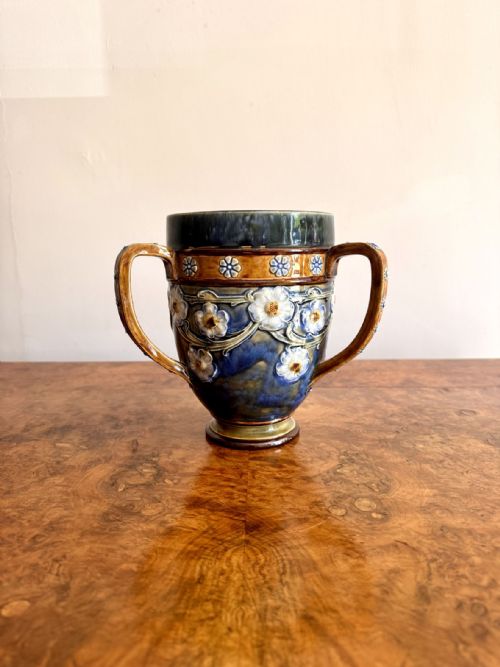
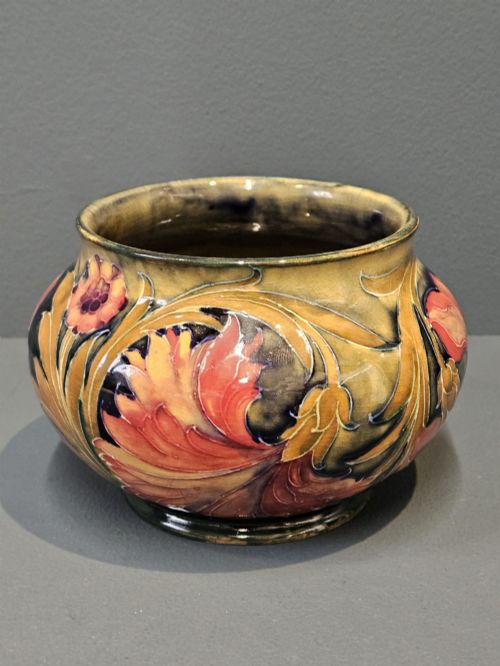
When you search for an edwardian earthenware vessel, you encounter a varied assortment of functional pots and decorative objects originating around the turn of the twentieth century. The selection ranges from utilitarian chamber pots to highly finished art pottery vases designed for outlets like Liberty and Co.
You are most likely to meet pieces representing the Arts and Crafts and Art Nouveau movements alongside standard domestic ceramics. Forms include teapots, jugs, decorative bowls, and commemorative cups produced across British and international potteries.
Materials and construction
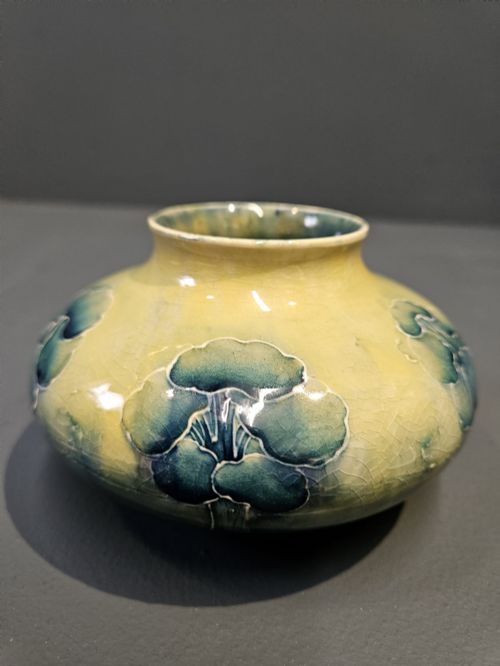
These items utilise earthenware clay bodies finished with a variety of glazes and enamel decorations. Makers applied coloured slips, crystalline glazes, and occasional gold leaf details to enhance the fired surfaces.
Production techniques combine traditional throwing and moulding methods with specialised surface treatments. Art pottery pieces often feature hand-painted floral patterns or trial glazes developed by leading ceramicists.
Edwardian Earthenware Vessel Retail Price Guide 2026
Typical asking prices for edwardian earthenware vessel among the pieces listed under this phrase on Sellingantiques today, from the lower quarter to the upper quarter. They describe what is for sale here now, not the wider market.
A friendly ceramic spaniel sits waiting to guard the hearth alongside your morning tea.
Assessing quality
Quality in these ceramics depends upon the ambition of the design and the control shown in the firing and glazing processes. Pieces created for specific retail houses or by notable decorative artists display superior definition and glaze depth.
Standard domestic wares prioritise durability and straightforward utility, whilst studio and exhibition pieces showcase experimental chemistry and refined hand decoration.
Moorcroft·Wileman Intarsio·Royal Doulton·Wedgwood·Macintyre and Co·Ruskin Pottery·Kinkozan Kyoto
The Edwardian Earthenware Vessel Glossary
- Earthenware
- A porous pottery type fired at lower temperatures than stoneware or porcelain. It requires a glaze to become impermeable to liquids.
- Crystalline glaze
- A specialist finish containing metallic compounds that form distinct crystal patterns during the cooling stage of the kiln firing. This effect demands precise temperature control.
- Slip
- Liquid clay applied to the surface of a vessel before firing to add colour or texture. It forms the basis of many traditional decorative techniques.
- Amphora
- A two-handled jar with a narrow neck used in antiquity, which later inspired revival shapes in nineteenth and twentieth-century potteries.
- Arts and Crafts
- A design movement valuing traditional craftsmanship and simple forms over mass production. It heavily influenced the decorative style of many domestic and studio ceramics.
Edwardian Earthenware Vessel: Frequently Asked Questions
What is an edwardian earthenware vessel?
An edwardian earthenware vessel is a fired clay object made around the early twentieth century, encompassing everything from decorative art pottery to everyday household items.
These pieces reflect the shifting design tastes of the period, moving from utilitarian household wares to artistic creations intended for display.
How were these vessels used?
Their usage ranges from practical domestic tasks, such as serving tea or personal sanitation, to purely ornamental display in the home.
Special pieces also marked public events or royal coronations as commemorative items for households and collectors.
How do I live with earthenware?
Earthenware works well in domestic interiors as functional tableware, flower vases, or decorative mantel pieces depending on the specific form.
Because the underlying clay is porous, care must be taken with old vessels that have hairline cracks or degraded interior glazes.
How do I tell periods apart?
Dating relies on stylistic markers such as the flowing organic lines of Art Nouveau or the honest construction of the Arts and Crafts movement.
Maker marks, registration numbers, and glaze formulas further help pinpoint the era of production across different potteries.