


Earthenware Display Plates
These earthenware display plates bring historical ceramic artistry to your walls and surfaces.
Earthenware Display Plates
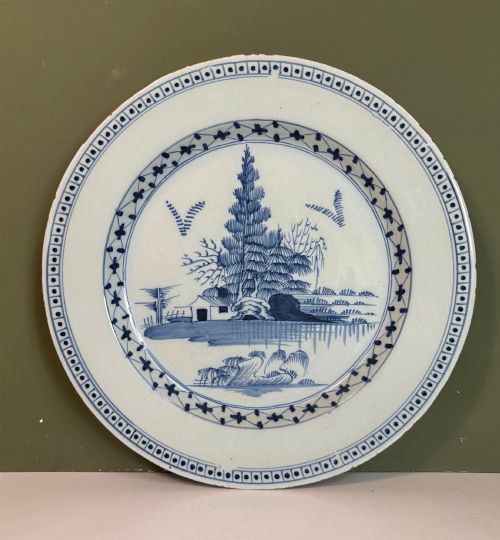
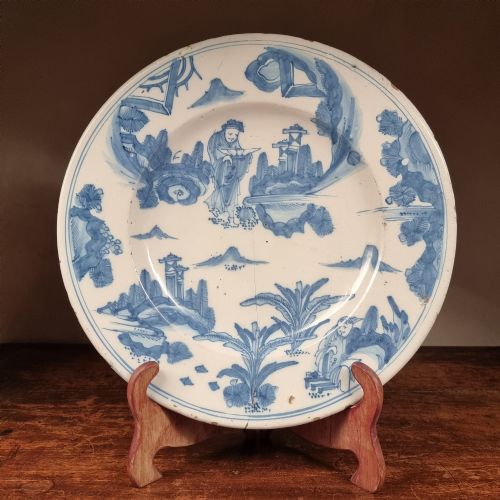
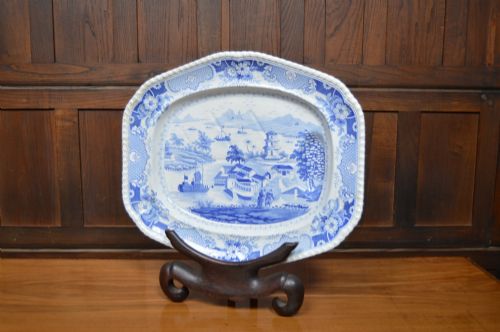
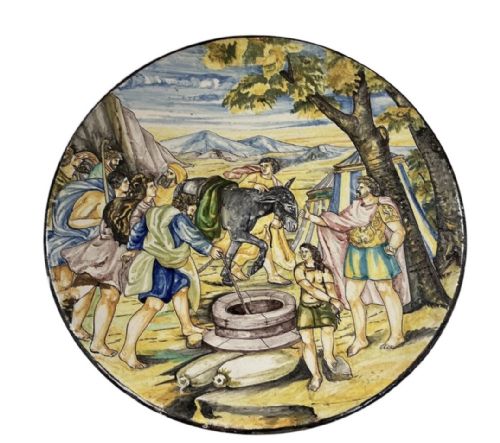
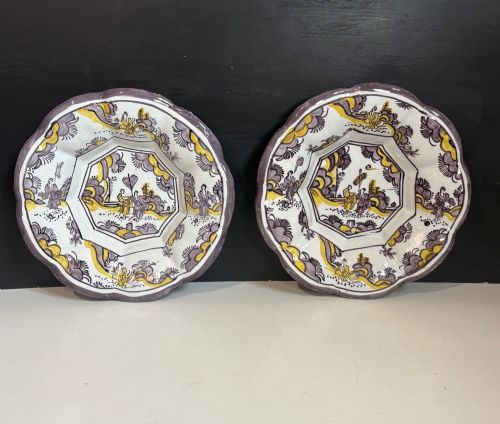
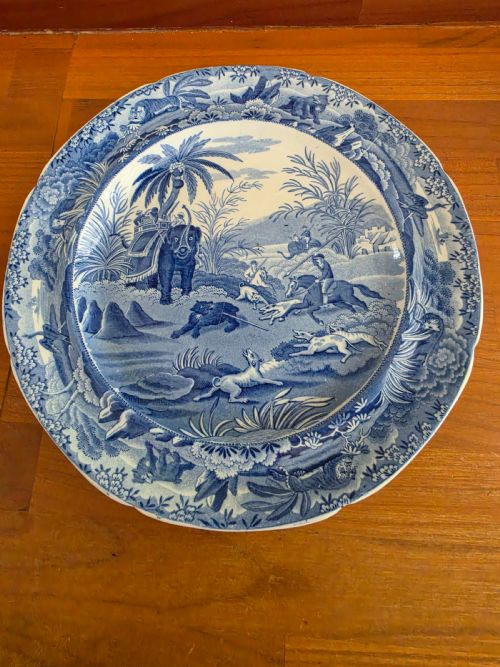
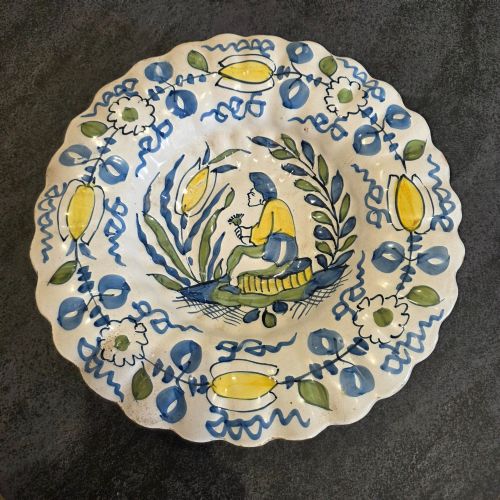
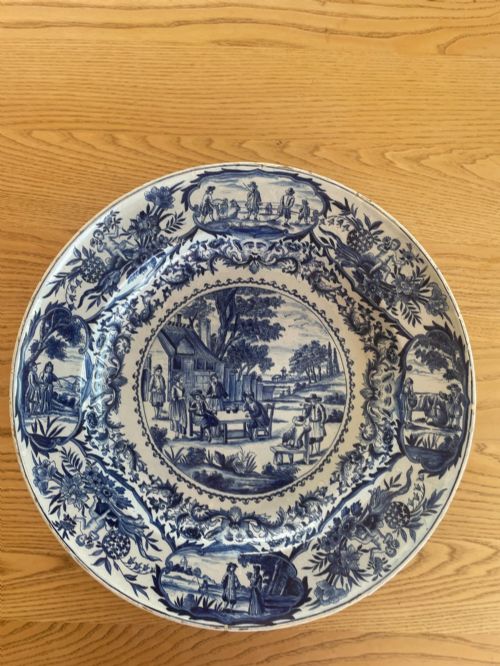
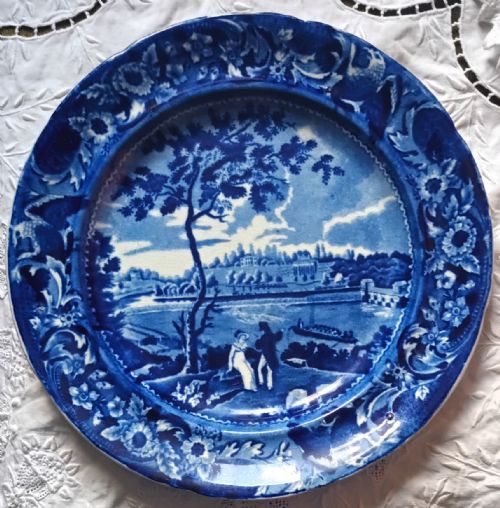
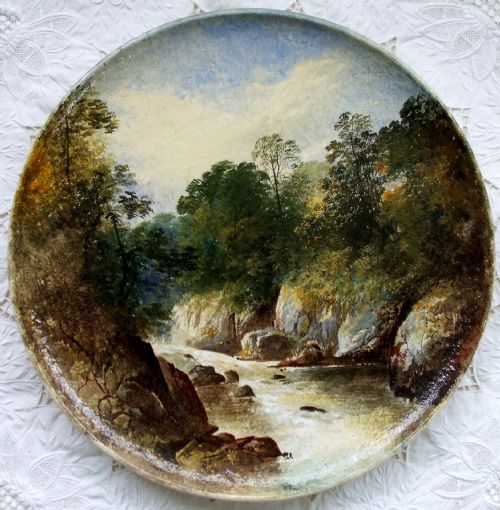
Earthenware display plates encompass decorative chargers, large platters, and ceremonial dishes designed primarily for visual appreciation rather than daily dining. These pieces arrive in various forms including traditional circular dishes and lobed variations spanning several centuries of production.
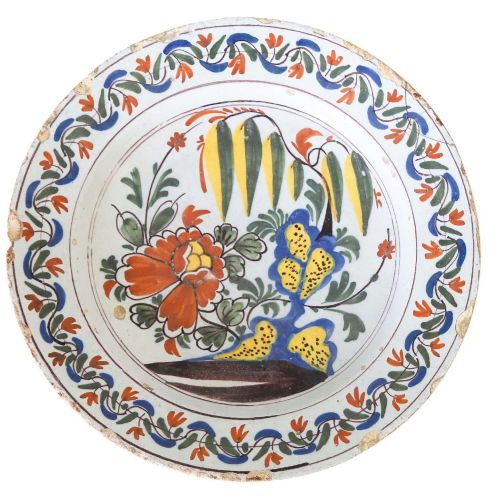
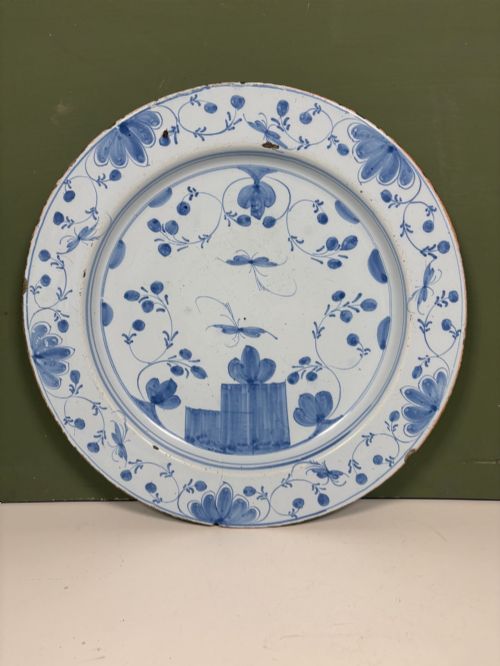
The versions most frequently met on this page belong to the seventeenth, eighteenth, and nineteenth centuries, featuring tin-glazed earthenware and traditional delftware styles. Collectors encounter both English and continental European origins, alongside distinct transferware and polychrome painted examples.
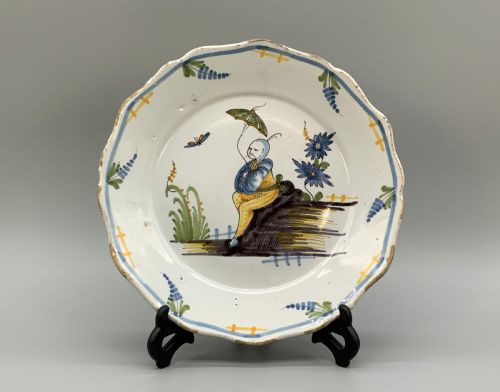
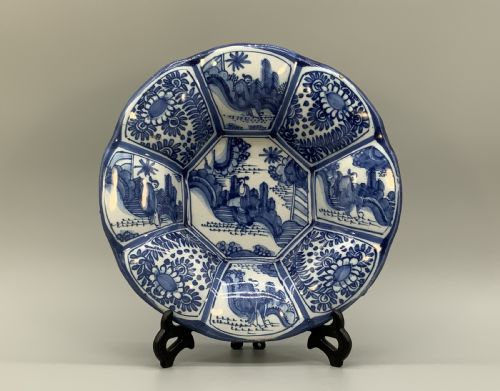
Makers utilised diverse aesthetic influences ranging from classical Chinoiserie and Kraak styles to geometric floral patterns and pictorial scenes. These items function as focal points in a room, traditionally shown on plate rails or mounted directly onto walls.
How they were made
Potters formed these items using basic earthenware clay bodies before applying tin glaze or general glaze surfaces to provide a smooth ground for decoration. Cobalt pigment and enamel colours were then hand-painted directly onto the unfired or fired glaze layers.
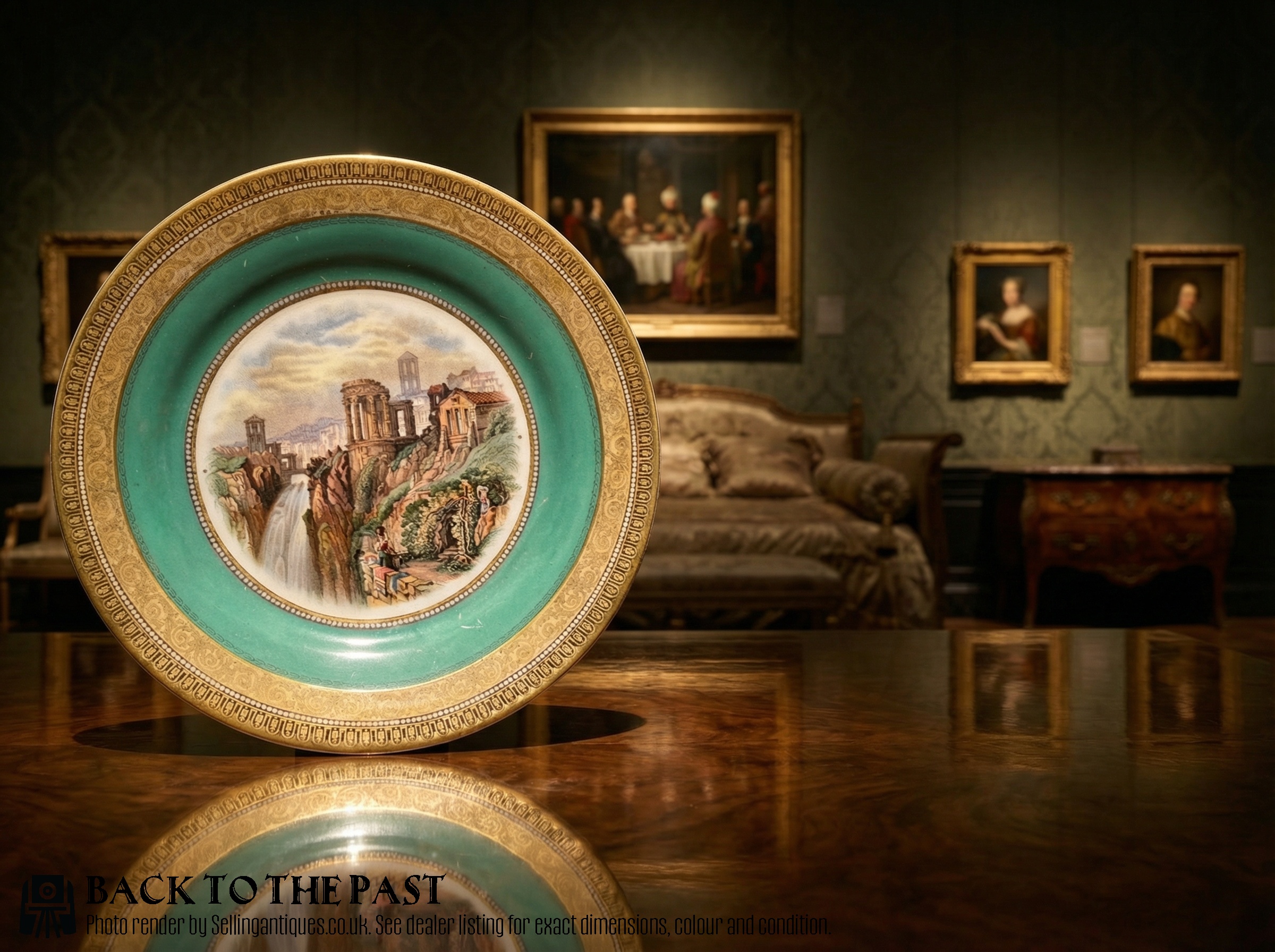
Grand feu techniques allowed artists to fuse metallic oxides directly into the glaze at high temperatures, producing rich manganese, blue, and polychrome finishes. Transfer printing methods emerged later, enabling intricate multi-figure designs and detailed topographical views to be transferred efficiently onto the ceramic surface.
The listings span from the seventeenth century through to the mid-twentieth century, uniting earthenware, tin glaze, and gold leaf materials.
What varies in quality
The standard of painting and brushwork control separates the finest examples from standard domestic wares, with deliberate hand-painted details showing superior artistic command over routine production. The complexity of the palette, such as the successful integration of multiple enamel colours and manganese tones, dictates visual depth.
Preservation of the original glaze surface and the crispness of the transfer or painted motif influence the overall desirability of a piece. Larger formats like chargers demand greater technical skill during firing to prevent warping, making well-preserved large-scale examples particularly notable.
Koshida·Stubbs·William Yale·Shuzan for Yasuda·Charlotte Rhead Crown Ducal·Meizan·Wedgwood Queen's Ware
The Earthenware Display Plates Glossary
- Charger
- A large decorative plate traditionally used for display or formal presentation rather than individual dining. These substantial dishes measure well beyond standard dinner plate diameters.
- Tin-Glaze
- A ceramic glaze made opaque by the addition of tin oxide, creating a white surface suitable for painted decoration. This finish forms the technical basis for traditional delftware and maiolica.
- Chinoiserie
- European decorative art inspired by Chinese artistic traditions and motifs. Artisans applied these imaginative orientalising scenes extensively to eighteenth-century earthenware.
- Kraak Style
- A seventeenth-century Chinese aesthetic characterised by panelled borders and central symbolic motifs. European delftware makers frequently imitated this distinct decorative layout.
- Polychrome
- Multi-coloured painted decoration utilising a variety of pigments rather than a single hue. This technique allowed makers to produce vibrant floral and figural compositions.
Earthenware Display Plates: Frequently Asked Questions
How were earthenware display plates originally used?
These large dishes served primarily as decorative furnishings within wealthy households, positioned on sideboards, tables, or walls to demonstrate taste and status. Their substantial size made them unsuitable for everyday dining.
Over time, owners transitioned from utilitarian table service to dedicated display pieces, mounting them on specialised rails or hanging them securely to showcase the painted imagery.
Can I hang these antique plates on the wall?
Hanging antique earthenware requires careful selection of appropriate, non-damaging wire hangers that distribute weight evenly across the rim and foot ring. Modern spring-loaded grips must be padded to prevent chipping the historic glaze.
Ensuring secure wall anchor placement protects these fragile ceramic objects from accidental knocks and structural stress over long periods.
How do I tell eighteenth-century delft from later copies?
Eighteenth-century delft displays softer clay bodies, irregular throwing marks on the reverse, and subtle variations within the hand-painted cobalt or polychrome pigments. The glaze often exhibits fine crazing and minor edge nibbles.
Later revival pieces frequently feature heavier, uniform machinery-pressed clay bases and overly precise transfer application that lacks the spontaneous brushwork of period originals.
What is the difference between a plate and a charger?
Chargers are significantly larger than standard dining plates, typically measuring over thirty centimetres in diameter, and were engineered for formal display or serving central joints. Standard plates served functional dining roles in historical table settings.
In collector terminology, the larger format dominates visual presentation, offering expansive surfaces for elaborate pictorial scenes or complex geometric borders.