





Earthenware Delft Plates
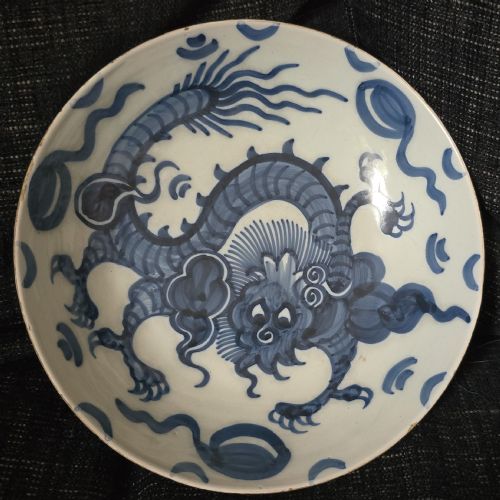
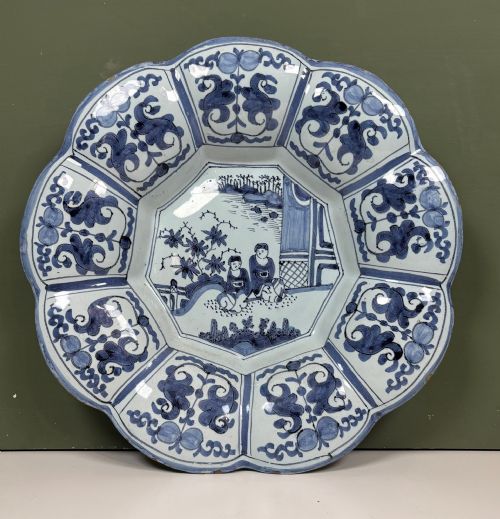
Earthenware delft plates are tin-glazed dishes bringing centuries of painted blue and white or polychrome decoration to a wall or table.
Earthenware Delft Plates
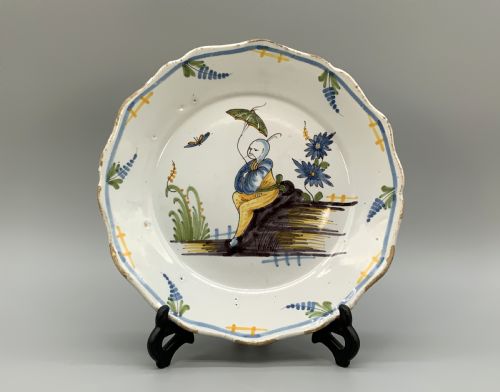
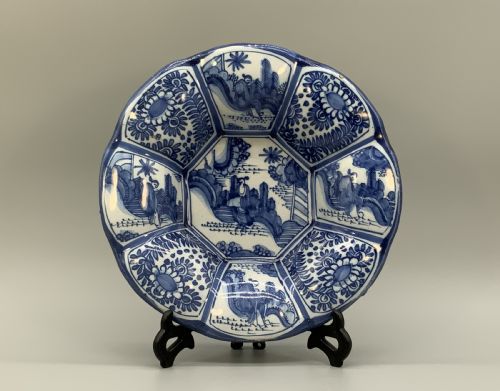
Earthenware delft plates span the seventeenth, eighteenth, and nineteenth centuries, taking the form of chargers, shallow bowls, and lobed dishes. The majority of pieces on this page originate from English and Dutch workshops, alongside examples from French, Spanish, and continental makers. Buyers encounter standard circular plates alongside much larger decorative chargers designed for display.
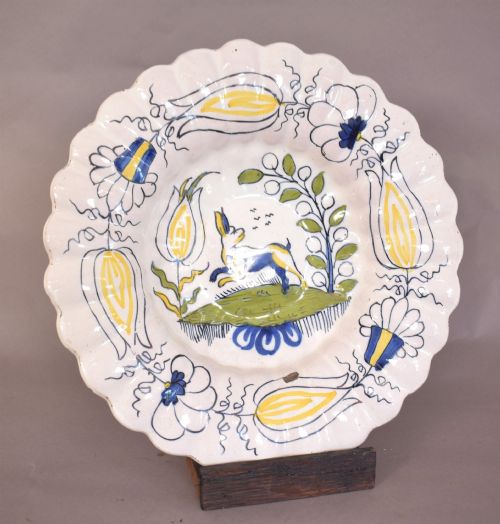
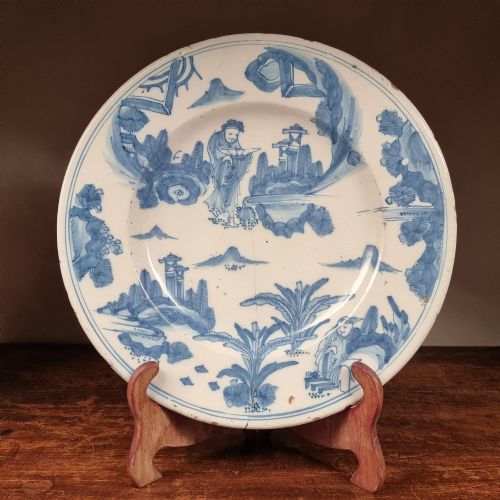
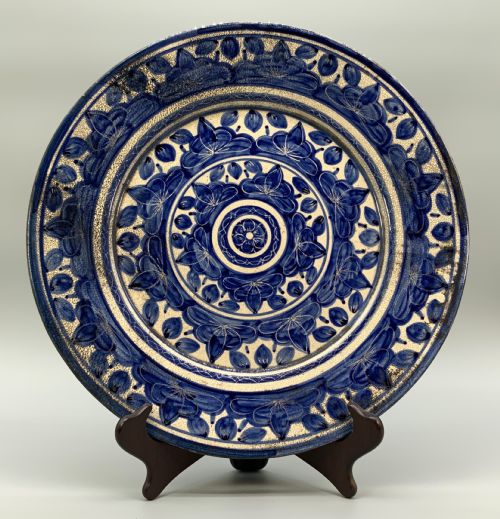
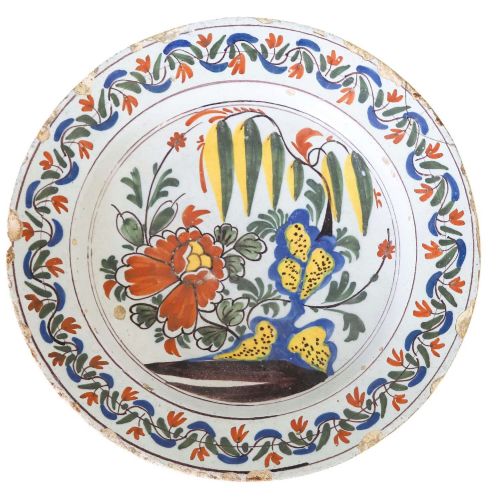
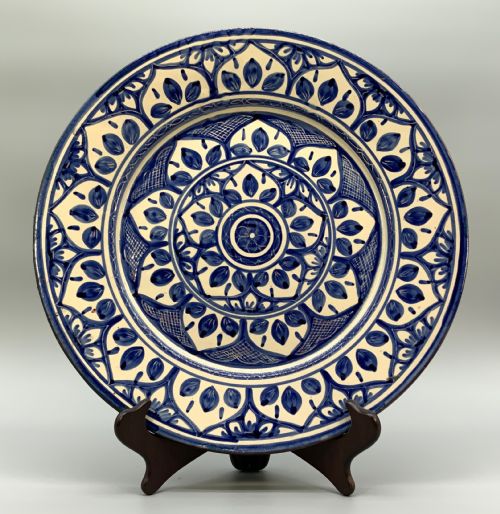
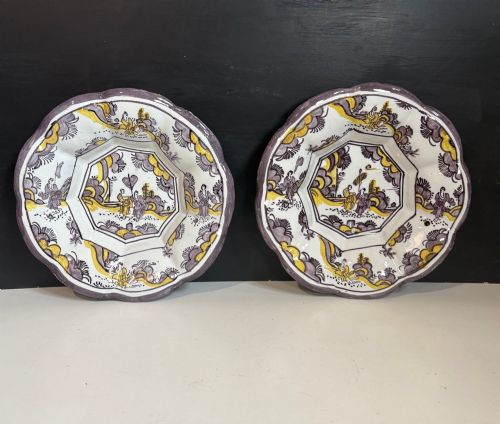
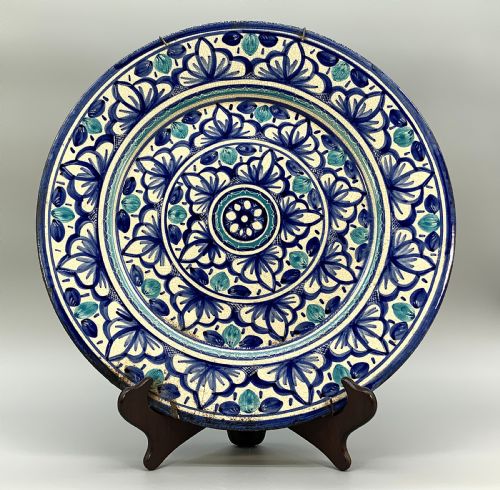
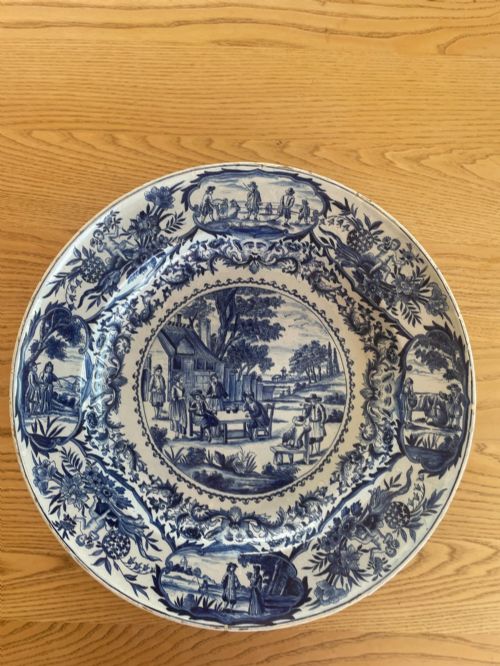
The decorative vocabulary draws heavily on traditional blue and white palettes, Chinoiserie scenes, and floral motifs rendered in polychrome or manganese. Certain pieces reflect seventeenth-century Kraak influences, while later items adopt Moorish styles or geometric patterns. Marriage plates and portrait chargers appear among the varied formats.
Makers utilised tin glaze over an earthenware body to create a smooth, opaque white surface suitable for hand-painted brushwork. Surviving objects range from early seventeenth-century chargers to mid-eighteenth-century English polychrome wares and later nineteenth-century interpretations. Each item preserves the distinct hand of the painter working directly onto the raw glaze.
How They Were Made
Potters shaped the earthenware body on a wheel or pressed it into a mould, creating the characteristic thickness and weight of chargers and plates. This base clay was fired once to form a stable biscuit earthenware ready for decoration.
The dried biscuit body received an opaque tin-glaze coating, which provided a white background that absorbed pigments readily before the final firing. Artisans painted directly onto this porous unfired surface using cobalt oxide for blue designs, alongside manganese, yellow, and other pigments for polychrome variations.
Earthenware Delft Plates Retail Price Guide 2026
Typical asking prices for earthenware delft plates among the pieces listed under this phrase on Sellingantiques today, from the lower quarter to the upper quarter. They describe what is for sale here now, not the wider market.
Listings feature periods spanning from the seventeenth century through to 1940, including 1750, 1800, and 1890.
What Varies In Quality
The clarity and precision of the hand-painted brushwork distinguish standard utilitarian wares from superior decorative chargers. Master painters achieved fluid lines and balanced compositions in Chinoiserie or floral motifs, whereas lesser examples show hurried execution.
The stability and coverage of the tin glaze determine the visual depth of the surface, with uneven shrinkage or heavy crazing altering the finished appearance. Early seventeenth-century potting quality and the complexity of polychrome palettes further elevate specific pieces above standard production.
Van Genden
The Earthenware Delft Plates Glossary
- Tin-glazed earthenware
- Pottery covered with a white lead glaze made opaque by the addition of tin oxide. This coating provides the smooth surface required for painted decoration.
- Charger
- A large decorative plate intended primarily for display on a wall or dresser rather than dining use. These items measure significantly larger than standard eating plates.
- Polychrome
- Decoration employing multiple colours such as yellow, green, blue, and manganese, as opposed to a single monochrome pigment. Painters applied these colours directly onto the tin glaze.
- Manganese
- A purple-brown metallic pigment used by delft painters to create rich outlines or monochrome scenes. It produces a distinctive warm tone distinct from cobalt blue.
Earthenware Delft Plates: Frequently Asked Questions
How were earthenware delft plates used?
Historic delft chargers and dishes served as table service for dining or as decorative wall platters displayed in prominent rooms. Large chargers were frequently hung on walls or set upon dressers to showcase painted Chinoiserie or floral designs.
Over time, many of these plates transitioned purely into ornamental objects due to the fragile nature of tin glaze. Collectors today continue this tradition by mounting chargers on walls or displaying them on plate stands.
How do I care for antique delftware?
Antique tin-glazed earthenware requires gentle handling to protect the soft ceramic body and the brittle tin glaze from chips and impact damage. Dust the surface with a dry, soft cloth and avoid liquid immersion or harsh cleaning agents.
Display the plates away from areas subject to high humidity or rapid temperature fluctuations to prevent further crazing of the glaze. Wall mounting requires secure, padded hangers designed specifically for heavy earthenware chargers.
How do I tell seventeenth and eighteenth-century pieces apart?
Seventeenth-century delft plates often display heavier potting, deeper dish profiles, and distinct Kraak or early blue and white motifs influenced by imported porcelain. The body clay tends to be thicker and more robust.
Eighteenth-century examples frequently incorporate lighter bodies, refined polychrome palettes, and varied floral or geometric borders. English and Dutch production methods also shifted during this period toward lighter domestic tableware formats.
What is the difference between blue and white and polychrome delft?
Blue and white delft relies exclusively on cobalt pigment applied to the white tin glaze, creating crisp monochrome designs that mimic Chinese porcelain. This style remained popular across multiple centuries in both English and Dutch workshops.
Polychrome delft introduces additional pigments like yellow, green, orange, and manganese to create multicoloured floral or figural scenes. These pieces required greater skill in pigment preparation and firing control.