

Early Watercolour Painting
Early watercolour painting captures delicate historical moments on paper, bringing distinct Regency, Victorian, and early twentieth-century character to modern walls.
Early Watercolour Painting
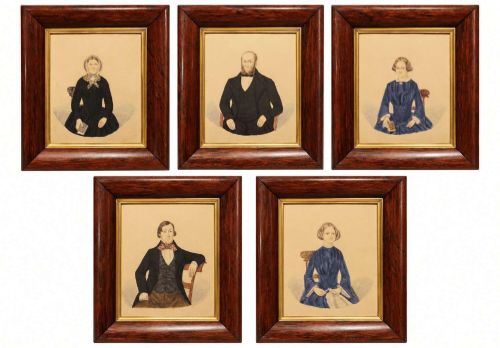
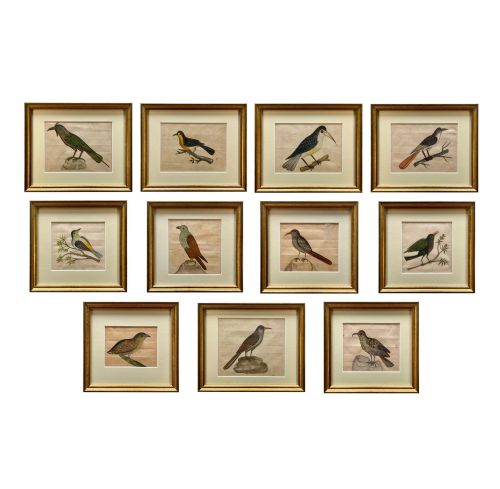
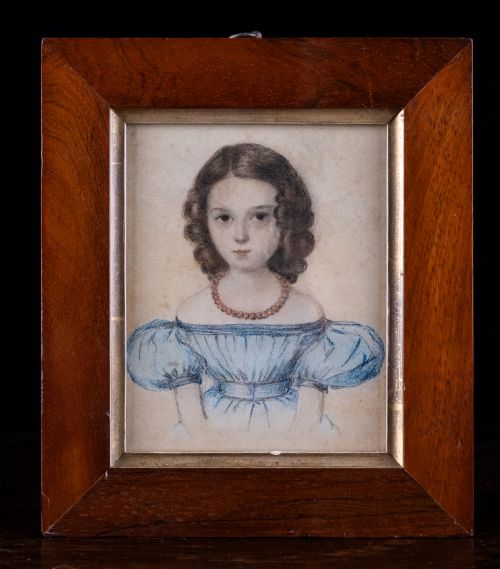
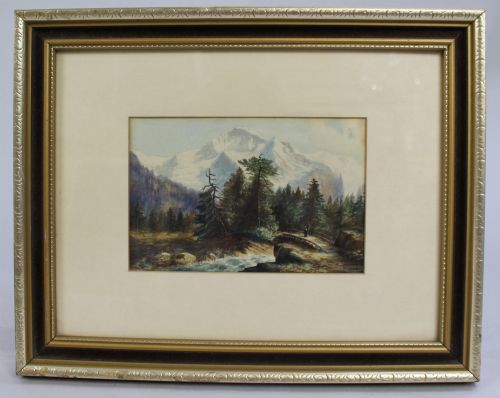
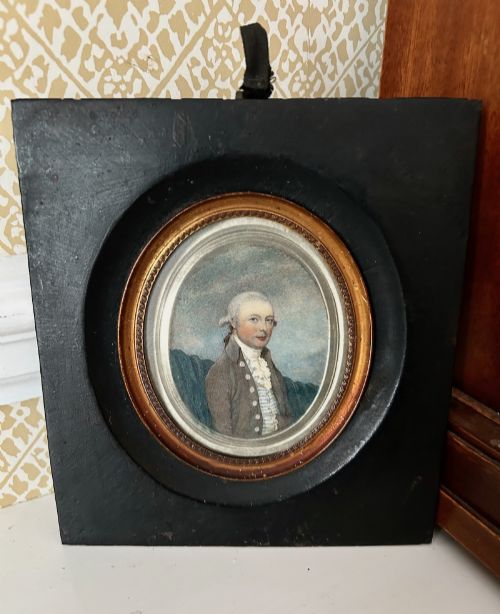
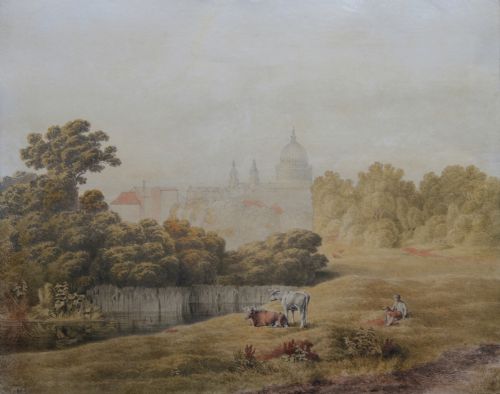
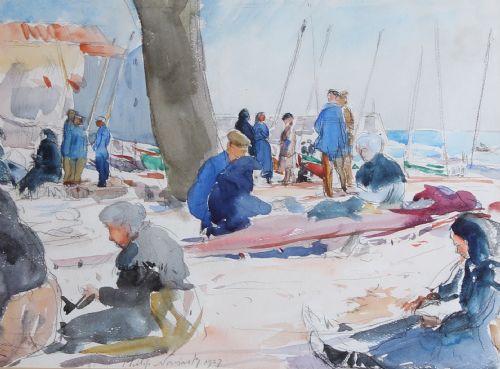
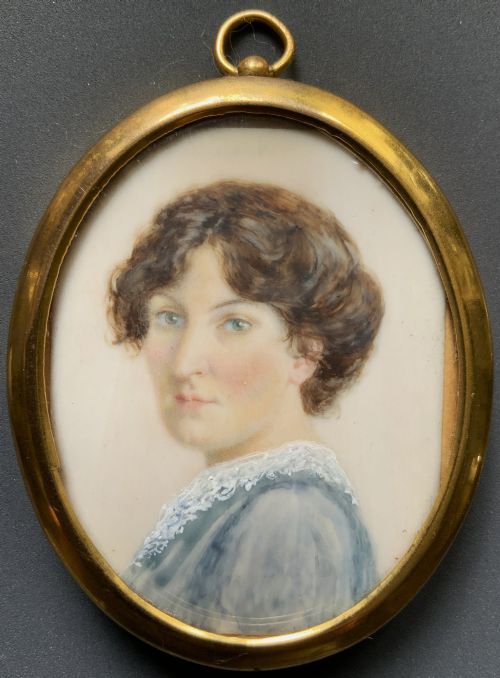
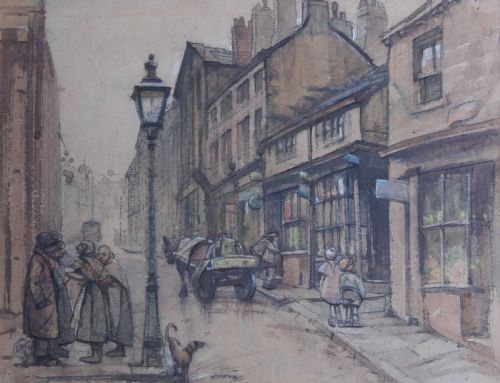
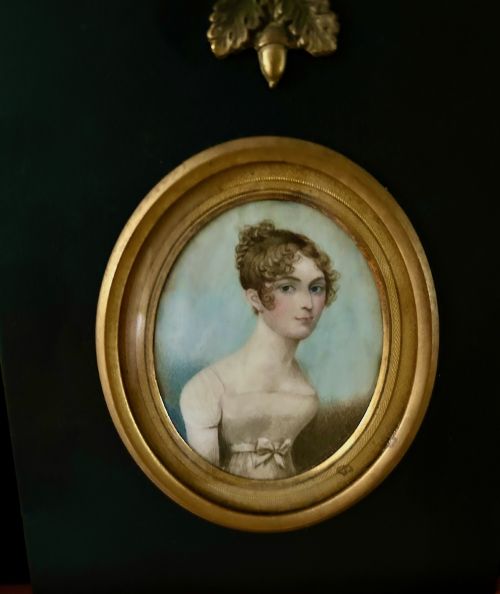
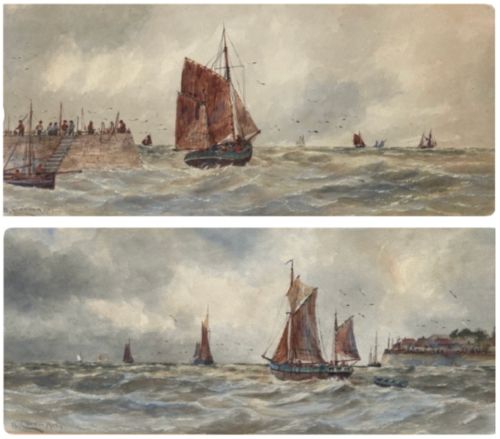
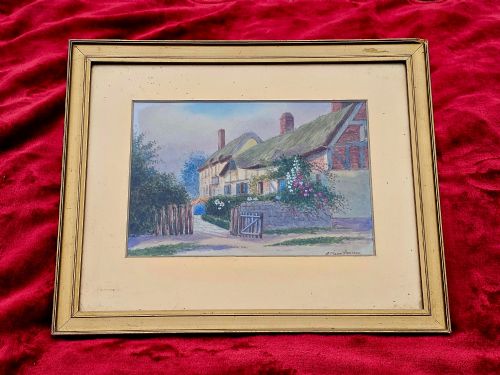
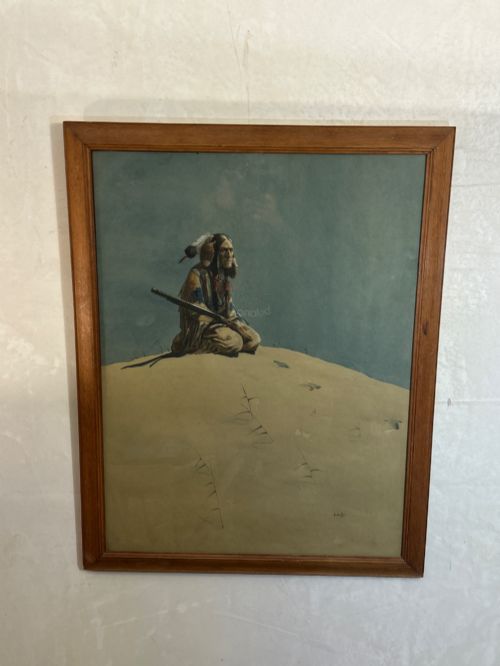
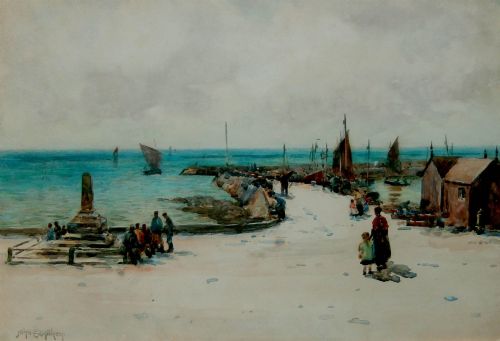
An early watercolour painting brings together delicate portrait miniatures, expansive landscapes, and coastal marine views created across the Georgian, Regency, and Victorian eras. These works range from intimate studies of gentlemen and ladies to bustling townscapes and quiet pastoral scenes.
Buyers frequently encounter smaller framed portrait miniatures on paper or glass alongside broader topographical and Impressionist landscapes dating from the nineteenth and early twentieth centuries. Each piece reflects the shifting tastes of British and European art through distinct periods such as Edwardian and Post-Impressionism.
Materials and technique
Artists applied watercolour pigment and ink onto prepared paper surfaces, occasionally incorporating gouache to build opaque highlights and depth. Many works utilise delicate washes to capture atmospheric effects in landscapes and maritime scenes.
Finished works often appear behind glass within wooden frames, frequently enhanced by gold leaf or ebonised wood mouldings that protect the fragile paper underneath from environmental damage.
Early Watercolour Painting Retail Price Guide 2026
Typical asking prices for early watercolour painting among the pieces listed under this phrase on Sellingantiques today, from the lower quarter to the upper quarter. They describe what is for sale here now, not the wider market.
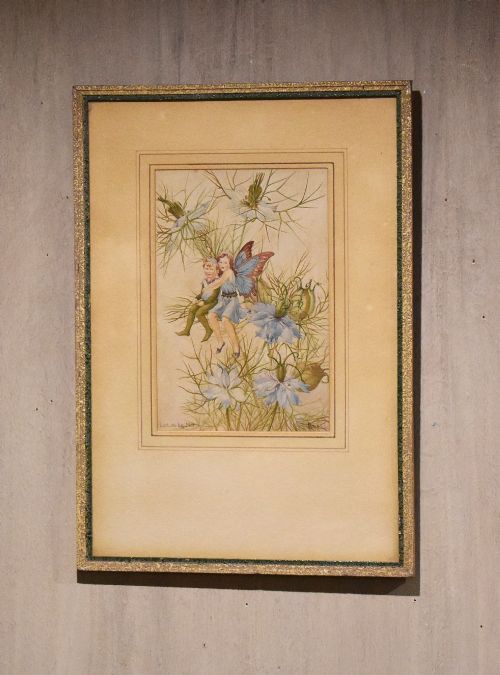
Delightful period details include whimsical flower fairy illustrations and bustling scenes of geese navigating country lanes.
Distinctions in quality
The sophistication of brushwork and the artist's command of translucent pigment distinguish finer works from standard decorative pieces. Masterful control over light and shadow creates depth that lesser student works fail to achieve.
The preservation of the paper support and the vibrancy of the original watercolour pigments dictate the visual strength of a piece. Strong provenance and clear signatures from recorded artists elevate the standing of an artwork.
Frederick Buck·John Hassall·Frank Watson Wood·Edgar Woollatt·Oswald Garside
The Early Watercolour Painting Glossary
- Watercolour pigment
- Finely ground colour particles mixed with a water-soluble binder, used to create transparent washes on paper.
- Portrait miniature
- A small, highly detailed painting, often depicting a specific person on paper, ivory, or glass.
- Gouache
- An opaque water-based paint containing pigment and a binding agent, used alongside watercolour for solid highlights.
- Ebonised wood
- Timber treated to imitate ebony, commonly utilised for dark, polished antique frames.
- Topographical
- A style of painting that accurately records specific landscapes, buildings, or townscapes.
Early Watercolour Painting: Frequently Asked Questions
How should I display an antique watercolour?
Keep works out of direct sunlight to prevent the delicate pigments from fading over time. Maintaining stable indoor humidity protects both the paper support and the antique wooden frame.
Ensure that framing uses acid-free backing materials to prevent discolouration of the paper. Professional framing preserves the structural integrity of the piece.
What subjects are common in these paintings?
Common subjects include detailed portrait miniatures of gentlemen and ladies, alongside coastal marine views and pastoral landscapes. Townscapes and topographical scenes also feature prominently across the periods.
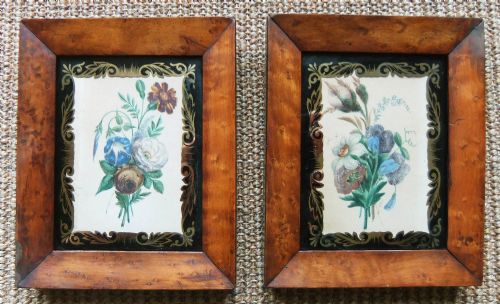
Artists frequently recorded local rural life, architectural landmarks, and domestic flower studies. Each subject offers a window into the aesthetic priorities of its era.
How do I identify the period of a painting?
Clothing styles, hairstyles, and framing techniques offer immediate clues to dating a portrait miniature or landscape. Costume details in nineteenth-century pieces help narrow down the decade of creation.
Signatures, dates inscribed on the reverse, and stylistic movements like British Impressionism provide further chronological markers. Comparing handling techniques with known artists clarifies the timeframe.
Are these works always signed by the artist?
Many pieces bear artist signatures or monograms, while others remain attributed to specific schools or anonymous makers. Unsigned works frequently emerge from regional British or European traditions.
Documentation on the backing board or stylistic similarities to recorded works often aid attribution. The quality of execution remains the primary indicator of merit for unsigned examples.