


Early Victorian Wooden Chairs
Early victorian wooden chairs bring solid nineteenth-century craftsmanship into a modern interior, offering robust timbers and distinct period character.
Early Victorian Wooden Chairs
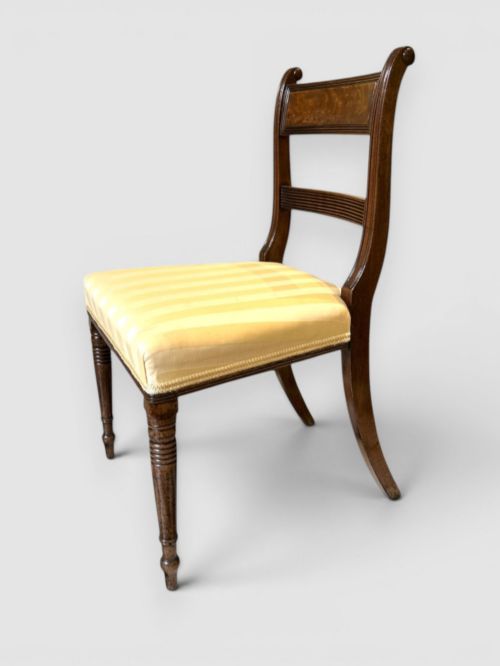
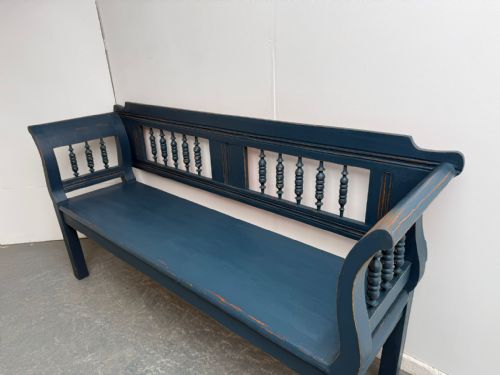
Early victorian wooden chairs encompass a diverse selection of seating forms, ranging from formal dining sets to rustic farmhouse kitchen chairs and specialised hall chairs. Buyers searching for early victorian wooden chairs encounter practical furniture that spans dining chairs, armchairs, benches, and children's chairs.
The objects originate from the nineteenth century, with specific examples drawing upon earlier Georgian, Regency, and William IV design vocabularies. Common manifestations include mahogany dining sets alongside vernacular elm and ash seating.
Makers utilised timber extensively, producing pieces influenced by gothic revival, rustic vernacular, and Hungarian folk art styles. This selection balances formal parlour seating with robust domestic forms.
How they were made
Makers constructed early victorian wooden chairs using dense hardwoods such as mahogany, rosewood, and oak, alongside resilient domestic timbers like elm, ash, and pine. These woods were chosen for structural integrity and grain pattern.
Techniques combined traditional joinery with surface decoration including carved details, painted finishes, and fabric or velvet upholstery. Button backs and inlaid elements further defined the execution of finer salon and library chairs.
Listings feature periods spanning from the eighteenth century through the Victorian era, alongside materials such as mahogany, rosewood, elm, and ash.
What varies in quality
The standard of early victorian wooden chairs depends on the selection of timber and the precision of the carving or joinery. Dense rosewood and finely figured mahogany demonstrate higher material cost than standard pine or elm variants.
Design sophistication separates functional utility seating from grander salon or library chairs that incorporate decorative inlay and detailed carving. The integration of regional styles, such as Hungarian folk art or gothic revival elements, influences the character of each piece.
The Early Victorian Wooden Chairs Glossary
- Mahogany
- A durable hardwood commonly utilised for dining chairs and library seating during the nineteenth century. Its rich reddish-brown tone makes it a staple of period furniture.
- Elm
- A tough domestic timber prized for its interlocking grain and strength, frequently employed in rustic farmhouse and children's chairs. It resists splitting under heavy daily use.
- Rosewood
- An exotic timber valued for its dark grain patterns, deployed in fine dining and library desk chairs. It indicates a higher tier of nineteenth-century manufacture.
- Hall chair
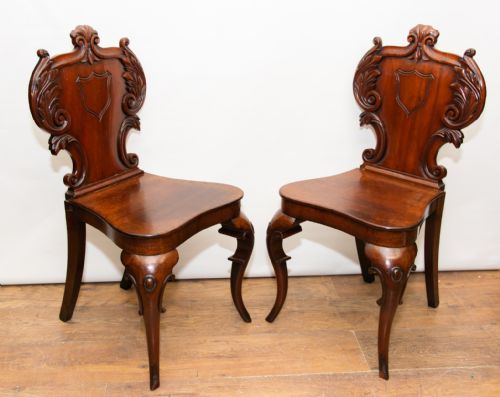
- A rigid wooden seat traditionally placed in entrance halls, typically featuring a solid carved timber back and seat. These pieces often display heraldic or geometric carving.
- Vernacular
- A style of furniture rooted in local traditions and practical utility rather than high academic design. This category includes farmhouse and rustic workshop output.
Early Victorian Wooden Chairs: Frequently Asked Questions
How do I identify an early victorian chair?
Look closely at the timber choice, construction methods, and stylistic cues connecting the piece to nineteenth-century design periods.
Examine whether the form aligns with Victorian, Regency, or William IV aesthetics recorded in the inventory.
Were these chairs used for dining?
Many surviving examples served around formal dining tables in sets of six, eight, or ten.
Other variations were built specifically for halls, libraries, or domestic kitchens.
What woods were commonly used?
Cabinet makers frequently relied on mahogany, rosewood, and oak for formal parlour and dining furniture.
Simpler vernacular pieces utilised ash, elm, pine, and fabric elements.
How should I care for wooden antique chairs?
Keep the timber clean using appropriate polishing methods suited to historical wood finishes.
Protect upholstered velvet and fabric sections from direct sunlight and heavy wear.