


Early Victorian Wooden Cabinet
An early victorian wooden cabinet brings warmth and practical storage to a room, offering distinct timber grains and period craftsmanship.
Early Victorian Wooden Cabinet
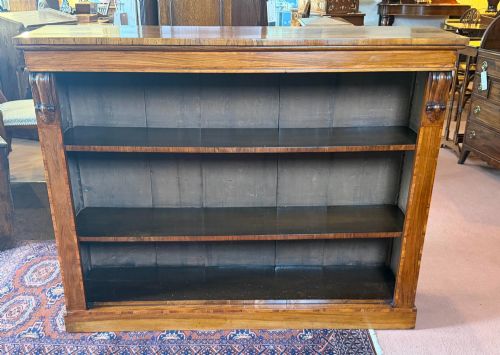
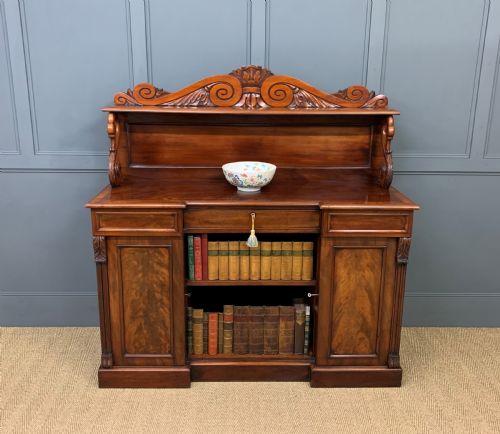
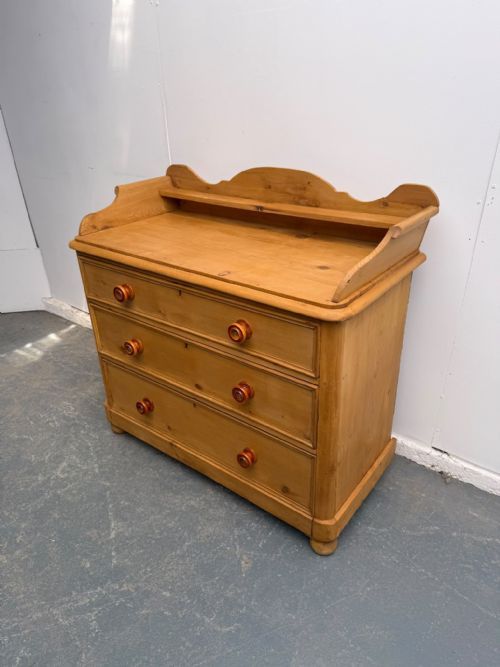
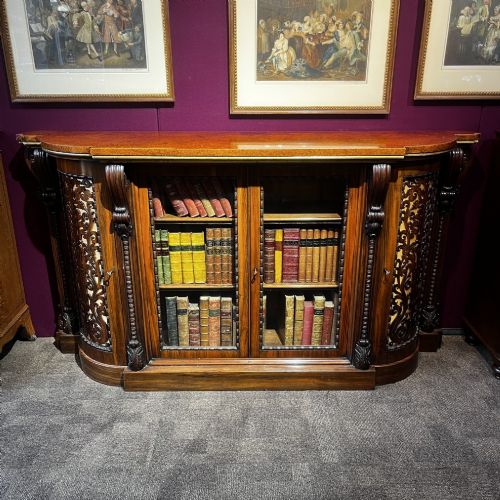
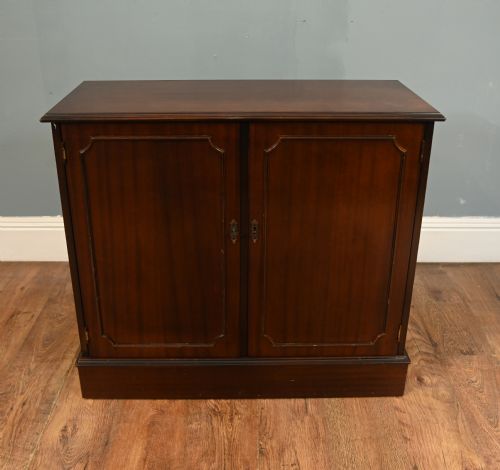
When searching for an early victorian wooden cabinet, buyers encounter a variety of functional forms built to serve domestic needs. The selections span bookcases, side cabinets, chiffoniers, bedside units, and chests of drawers.
Mahogany and flame mahogany dominate the offerings, often accompanied by walnut, burr walnut, oak, and pine. These pieces reflect the cabinet-making standards of the nineteenth century, ranging from country house utility to formal parlour display.
Materials and construction methods
Cabinet makers utilised dense hardwoods such as mahogany and walnut, frequently selecting flame veneers for visual depth on doors and drawer fronts. Secondary timbers like pine appear in internal construction and less visible structural elements.
Object types span bookcases, side cabinets, chiffoniers, bedside tables, cellar chests, and miniature apprentice furniture.
Factors influencing quality and distinction
Timber selection dictates much of the character, with matched flame mahogany or burr walnut marking the upper tier of execution. The choice of secondary woods and the precision of the joinery reveal the original maker's intent and workshop standard.
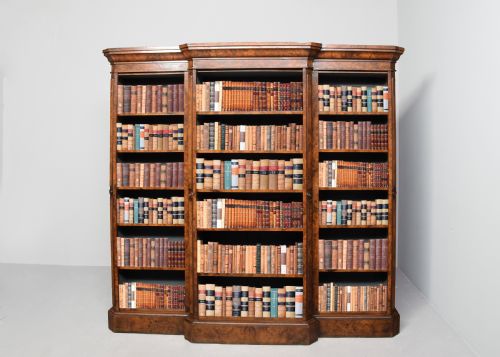
Proportion and scale also separate standard domestic items from superior examples, particularly in miniature pieces, breakfront bookcases, and chiffoniers. Intricate carvings or secondary materials like Gonçalo Alves indicate higher-status commissions.
The Early Victorian Wooden Cabinet Glossary
- Chiffonier
- A low sideboard or cabinet featuring enclosed shelving below, sometimes surmounted by a small superstructure. It serves as a principal storage and display surface in nineteenth-century reception rooms.
- Flame Mahogany
- A veneer cut from the fork of the mahogany tree where the branch meets the trunk. This produces a distinctive flickering, flame-like pattern highly prized by period cabinet makers.
- Burr Walnut
- Timber taken from a walnut tree growth or wart, yielding a swirling, highly figured grain pattern. It appears on polished surfaces of cabinets and Wellington chests.
- Breakfront
- A piece of furniture whose central section projects forward from the flanking wings. This architectural arrangement creates depth and shadow on large bookcases and sideboards.
- Wellington Chest
- A tall, slender chest of drawers secured by a hinged locking stile on one side that fastens with a key. It provides secure storage for papers or linen.
Early Victorian Wooden Cabinet: Frequently Asked Questions
What is an early victorian wooden cabinet?
An early victorian wooden cabinet is a piece of nineteenth-century furniture designed for household storage and display. These items encompass bookcases, chiffoniers, side cabinets, and chests.
They reflect the prevalent wood choices of the era, notably mahogany, walnut, and oak. Each form served specific domestic functions in period interiors.
How do I identify an early nineteenth century piece?
Identification relies on examining construction techniques, timber selections, and stylistic traits associated with the nineteenth century. Details such as flame mahogany veneers and brass hardware provide period context.
Comparing the specific proportions and secondary woods helps distinguish these items from later reproductions. Cabinet forms often align with documented regional workshop practices.
Where were these cabinets used?
These cabinets found placement in parlours, libraries, bedrooms, and dining rooms across nineteenth-century homes. Bookcases and chiffoniers served reception areas, while bedside cabinets and chests furnished private chambers.
Their varied scale allowed them to adapt to different domestic spaces, from large country houses to smaller town residences.
How should I care for antique wood?
Maintaining antique wood involves keeping pieces away from direct heat sources and fluctuating humidity. Gentle dusting with a dry cloth preserves the polished surface and wax finishes.
Avoid chemical polishes that can degrade nineteenth-century timber treatments over time. Professional wax application maintains the natural lustre of mahogany and walnut.