




Early Victorian Wall Art
These early victorian wall art pieces bring character to a room through period portraits, watercolours and framed prints.
Early Victorian Wall Art
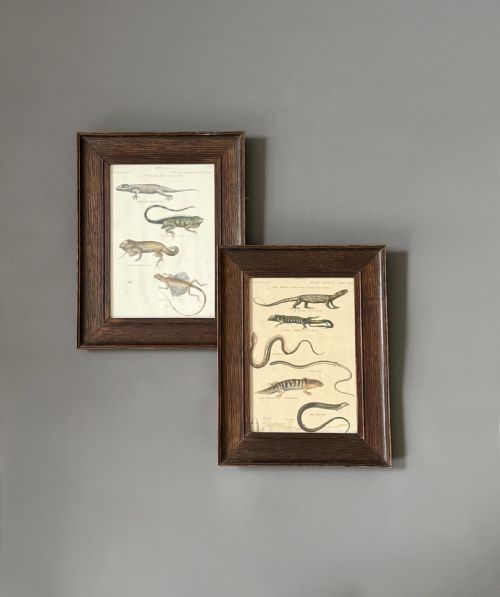
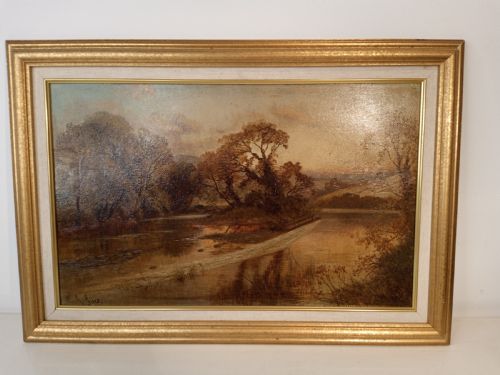
When you search for early victorian wall art, you encounter framed works spanning portraits, landscapes, marine scenes and natural history subjects. The selection relies heavily on nineteenth century watercolours, oils on canvas and board, alongside paper engravings and silhouettes.
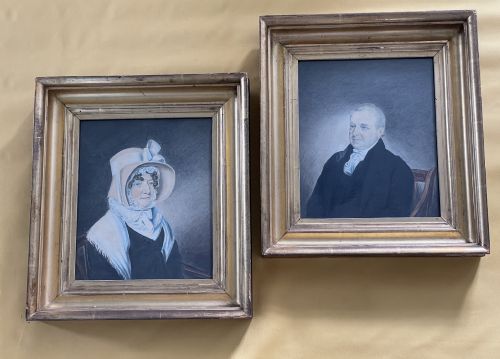
Most pieces date from the broader nineteenth century and the early Victorian era, often housed in period frames of wood, gilt wood or maple. Portraiture dominates the offerings, capturing gentlemen, ladies and young subjects in precise detail.
Materials and construction
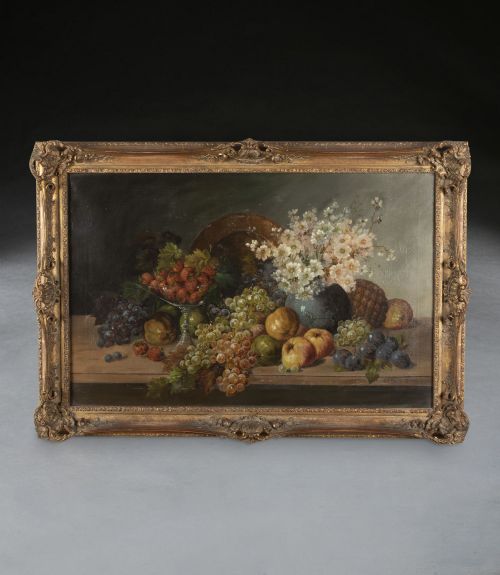
Makers utilised oil paint on canvas or board and watercolours on paper, frequently mounting the works beneath glass within wooden or gilt wood frames. Gold leaf often highlights the moulding of the frames, adding traditional depth to the display.
Engravings and lithographs rely on inked paper impressions, sometimes enhanced with hand colouring, while cut silhouettes demonstrate precise manual paper craft from the period.
Listings feature works spanning the nineteenth century, utilising oil on canvas, watercolour, and paper engravings within wooden and gilt wood frames.
Distinctions in quality
Quality rests upon the skill of the brushwork and the precision of the draughtsmanship, separating accomplished academic execution from simpler amateur output. A portrait with lifelike proportions and nuanced lighting stands apart from stiffer, formulaic representations.
The preservation of the original surface, pigment stability and the harmony between the artwork and its period frame dictate the standing of an individual piece.
William Bird MD FLS·J Bizo·Frederick Frith·George Chinnery·John Syer junior·H.P.Parker·Wiliam Ousey Lindley
The Early Victorian Wall Art Glossary
- Gilt wood
- Wood coated with a thin layer of gold leaf or gold paint. This finish provides a bright, reflective border common on nineteenth century frames.
- Watercolour
- A paint consisting of pigment suspended in a water-based solution, applied to paper. It allows for delicate washes and fine illustrative detail.
- Silhouette
- A portrait profile cut from dark paper or painted solid, popular in the nineteenth century before the rise of photography.
- Lithograph
- A print made from a flat stone or metal plate on which the image area is receptive to ink. It enabled the reproduction of detailed topographical and artistic views.
Early Victorian Wall Art: Frequently Asked Questions
How do I date these artworks?
Examine the materials, framing styles, and any inscriptions or dates left on the reverse of the canvas or paper. Costume details in portraits also offer clear clues to the exact decade of production.
Compare the mounting methods and backing boards with known period examples to confirm the age of the piece.
Where should I hang these pieces?
These works suit traditional reception rooms, studies, or hallways where period character is desired. Keep them away from direct sunlight to protect delicate watercolours and paper engravings.
Pairing multiple framed portraits or landscapes together creates a traditional gallery wall effect.
Are original frames important?
Original frames enhance the historical integrity and visual appeal of nineteenth century art. Maple frames and gilt wood surrounds particular to the era complement the aesthetic of the paintings.
While replacement frames protect the work, period matching remains preferable for collectors.
What subjects are most common?
Portraiture of individuals in period dress forms the core of the available works. Landscapes, marine scenes, and natural history prints also appear frequently.
Each subject reflects the domestic tastes and decorative preferences of nineteenth century households.