


Early Victorian Jewellery
Early victorian jewellery brings together delicate gold work, deep-set gemstones and intricate period design crafted to last.
Early Victorian Jewellery
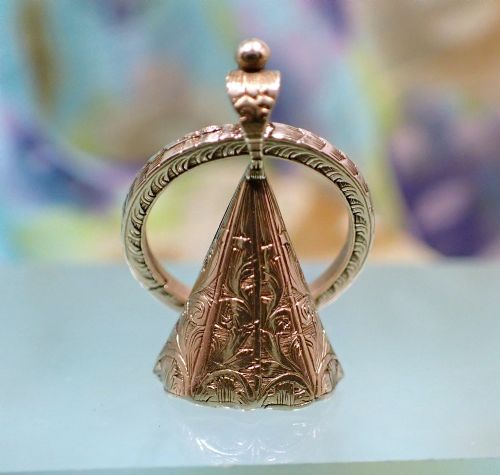
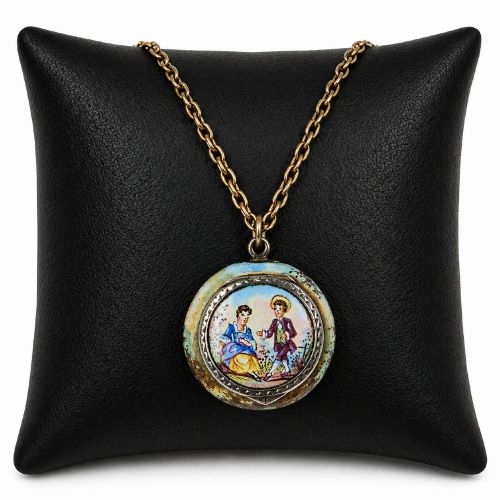
Early victorian jewellery encompasses pieces created during the opening decades of the nineteenth century, including rings, brooches, necklaces and earrings. These items frequently incorporate distinct historical motifs alongside romantic symbols typical of the period.
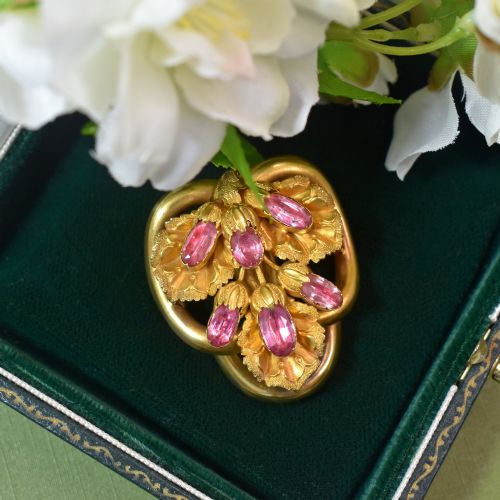
The selections available here range from detailed mourning pieces featuring enamel and pearls to bright gemstone rings set in yellow gold. Many surviving examples showcase natural motifs such as floral brooches and carved coral earrings.
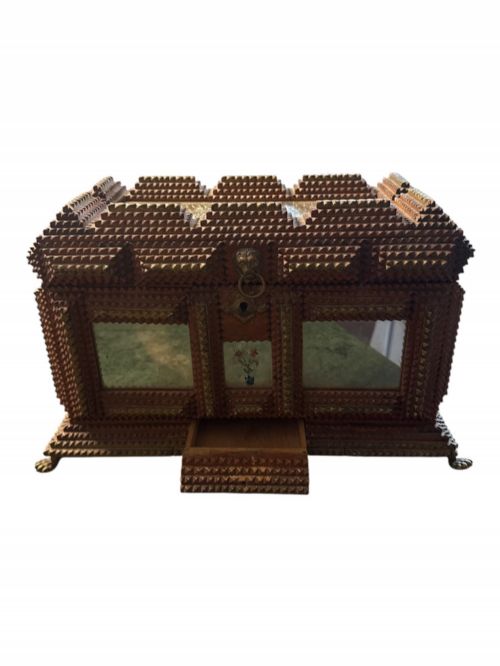
Buyers also encounter functional luxury items designed to house these ornaments, including inlaid jewellery boxes and miniature cabinets. These wooden and lacquered containers reflect the same meticulous craftsmanship found in the wearable pieces.
How early victorian jewellery was made
Craftsmen utilised various carats of gold, notably fifteen carat and eighteen carat yellow gold, alongside silver settings for mounting stones. Gems such as diamonds, amethysts, topazes and bloodstones were shaped using rose cuts and old European cuts.
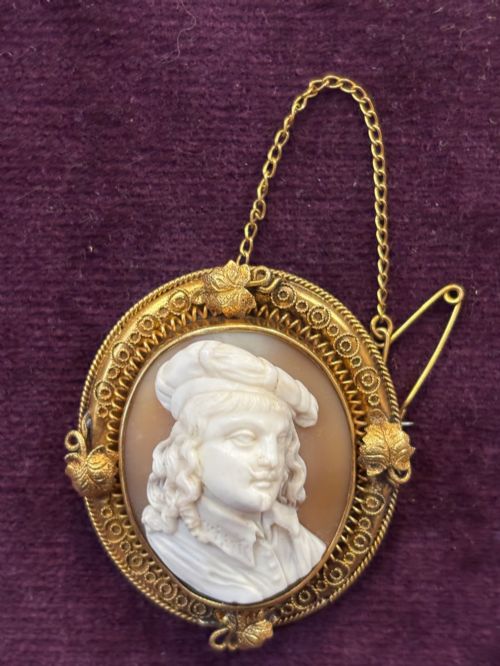
Specialised techniques included foil-backing to enhance stone colour, delicate enamel work and hand-carving shell cameos set within heavy metal frames. Artisans also employed natural pearls and turquoise to accent necklaces and clasps.
Early Victorian Jewellery Retail Price Guide 2026
Typical asking prices for early victorian jewellery among the pieces listed under this phrase on Sellingantiques today, from the lower quarter to the upper quarter. They describe what is for sale here now, not the wider market.
Bonnie Prince Charlie watches over the collection from a delicate cameo framed in heavy gold.
What varies in quality
Quality in these ornaments rests on the precision of the metalwork and the integrity of the gemstone settings. Superior examples display secure bezel or claw work that holds stones firmly without obscuring their natural facets.
The preservation of delicate details like enamel, foil-backing and fine engraving distinguishes finer pieces from ordinary survivals. Original clasps, chains and matching components further elevate the status of wearable items and boxes alike.
The Early Victorian Jewellery Glossary
- Rose cut
- A diamond cut featuring a flat base and a domed crown with triangular facets. This historic cut produces a soft, shimmering reflection rather than modern brilliance.
- Foil-backed
- A technique where a thin sheet of coloured metal foil is placed behind a gemstone within a closed setting. This method deepens and intensifies the apparent colour of the stone.
- Mourning jewellery
- Adornments created to commemorate a deceased person, frequently incorporating dark enamel, jet, hairwork or pearls. These pieces served as sentimental keepsakes during times of bereavement.
- Giardinetti
- A style of jewellery depicting a small garden, typically rendered using various coloured gemstones to form a floral basket or bouquet. The term translates directly from the Italian for little garden.
- Cameo
- A relief carving produced on a gemstone, shell or layered material to highlight a portrait or classical scene. The design stands out against a contrasting background colour.
Early Victorian Jewellery: Frequently Asked Questions
Are these pieces suitable for daily wear?
While many rings and brooches were built to last, their antique nature means they benefit from mindful wear. Items featuring soft materials like turquoise, coral or pearls need extra care to avoid impact damage.
Reserve more fragile items, such as intricate mourning pieces or hollow gold work, for special occasions. Regular checks by a professional jeweller will ensure prongs and settings remain secure.
How can I identify early victorian style?
Early nineteenth-century design often draws heavily on romanticism and naturalism, featuring floral sprays, serpents and sentimental motifs. Settings tend to be hand-wrought in yellow gold, frequently displaying rich chased or engraved details.
Gemstones from this era often utilise rose cuts or old mine cuts rather than modern standardised faceting. The presence of closed-back settings and specific regional hallmarks can also help pinpoint the era.
What is a giardinetti ring?
A giardinetti ring portrays a miniature floral arrangement or garden contained within a decorative basket motif. Goldsmiths used a colourful variety of gemstones to represent different flowers and leaves.
This style dates back centuries but enjoyed particular popularity during the Georgian and early Victorian periods. Surviving examples showcase inventive stone combinations and meticulous metalwork.