
Victorian Gold Chain
A victorian gold chain offers enduring craftsmanship through sturdy curb links, decorative gate bracelets, and versatile longuard lengths designed for daily wear.
Victorian Gold Chain
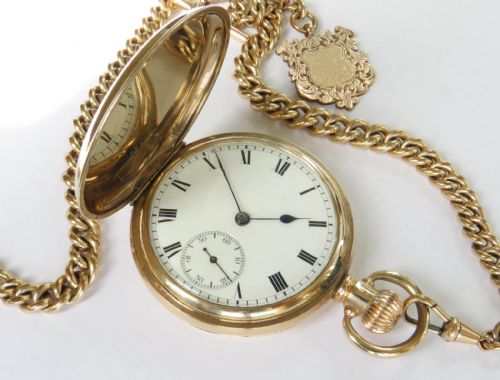
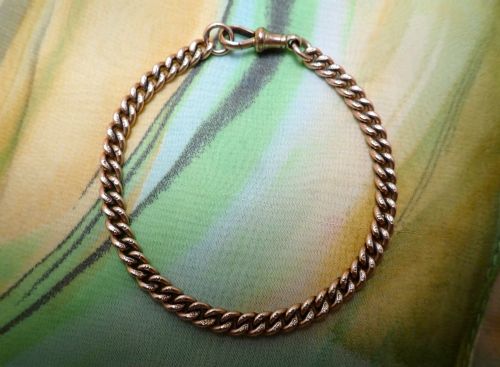
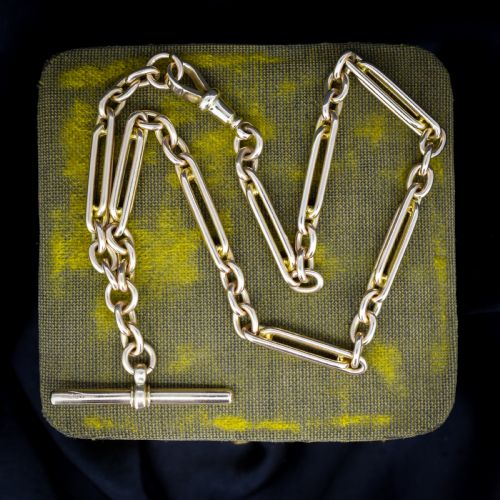
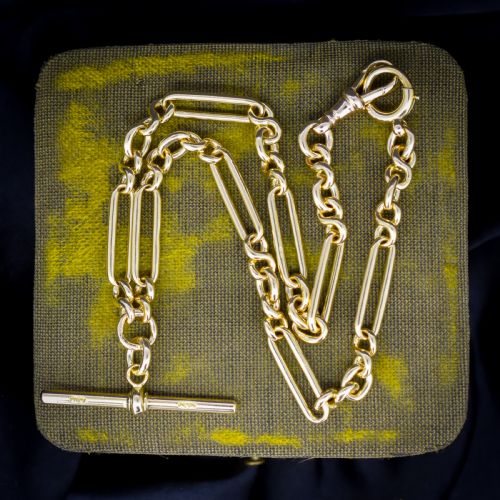
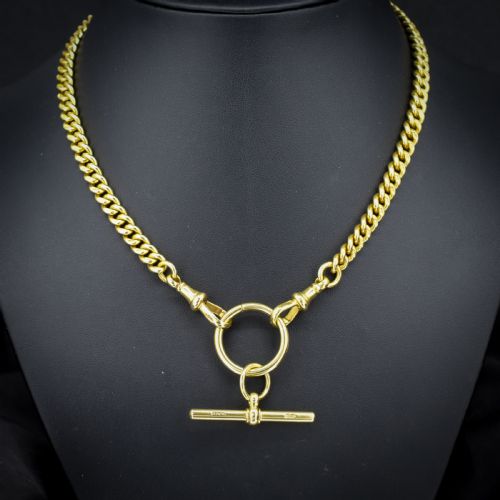
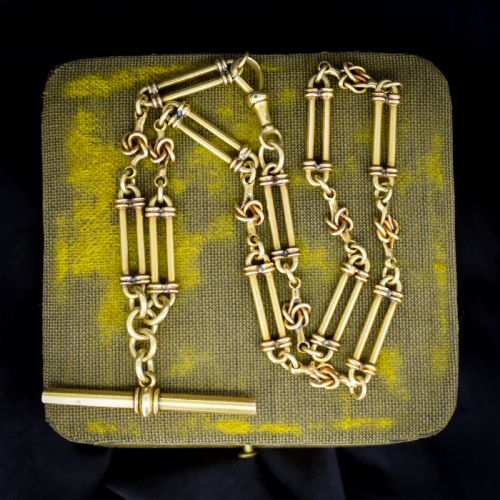
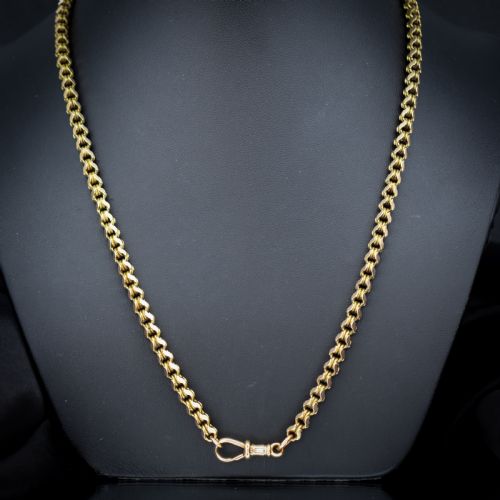
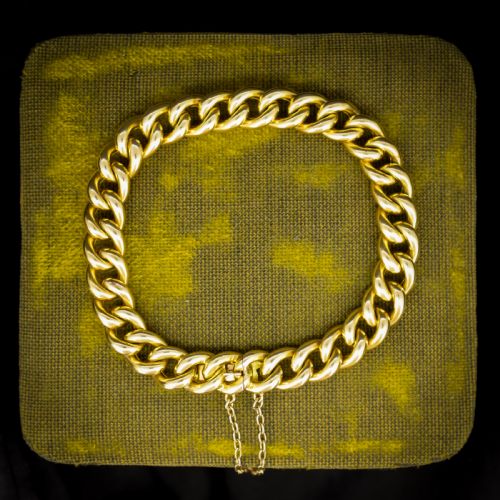
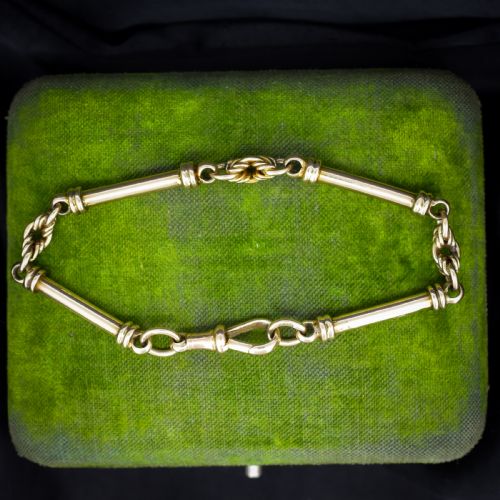
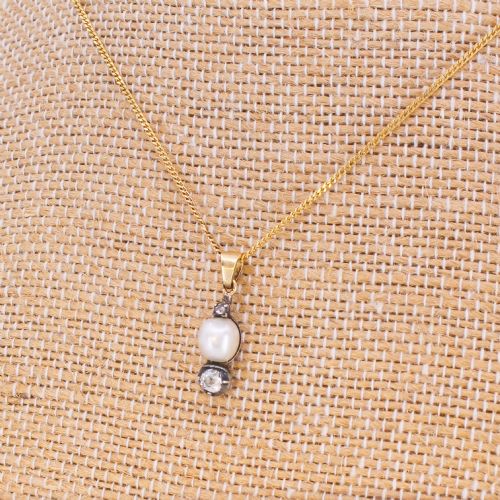
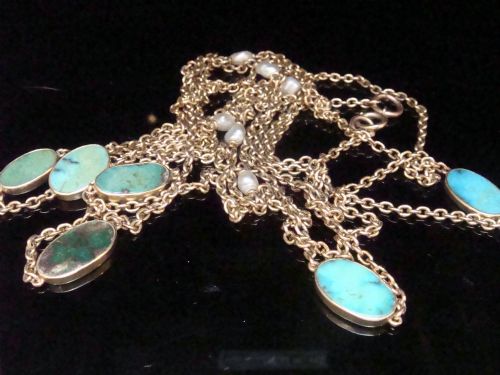
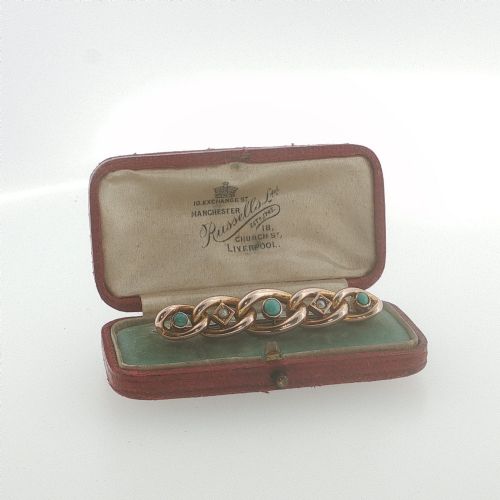
A victorian gold chain encompasses neck chains, pocket watch albert chains, and heavy gate bracelets originating primarily from the nineteenth century and the Edwardian era. These items range from short, fifteen-inch neckwear to long, sixty-inch guard chains meant to be doubled or tripled around the neck.
How they were made
Goldsmiths utilised various carat weights of yellow and rose gold, notably nine carat, fifteen carat, and eighteen carat, alongside rolled gold for more accessible pieces. Individual links were hand-assembled, soldered, and finished with secure mechanisms like dog clips, barrel clasps, and concealed clasps.
Surface ornamentation involved hand-engraving half-engraved patterns onto curb links, casting intricate gate bracelets, and incorporating decorative elements such as love knots, tubular bars, and star motifs.
Victorian Gold Chain Retail Price Guide 2026
Typical asking prices for victorian gold chain among the pieces listed under this phrase on Sellingantiques today, from the lower quarter to the upper quarter. They describe what is for sale here now, not the wider market.
Guard chains stretching past sixty inches mean you could theoretically skip a skipping rope and time your pulses instead.
What varies in quality
Quality depends upon the weight of the metal and the complexity of the link construction, with heavier fifteen-carat and eighteen-carat examples representing higher tiers than lighter nine-carat or rolled gold alternatives. Solid construction and substantial gram weights distinguish durable daily wear pieces from lighter items.
The refinement of hand-engraving and the inclusion of original, functioning components such as dog clips, T-bars, and heart padlocks elevate the status of an assembly. Hallmark clarity and the integrity of fancy link patterns further separate standard production from superior examples.
The Victorian Gold Chain Glossary
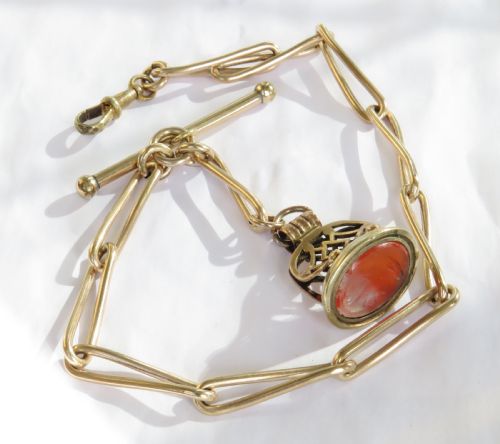
- Albert chain
- A pocket watch chain designed to be secured across a waistcoat or worn around the neck, often featuring a T-bar at one end.
- Dog clip
- A spring-loaded swivel clasp used to attach pocket watches, fobs, or charms securely to a link or ring.
- Gate bracelet
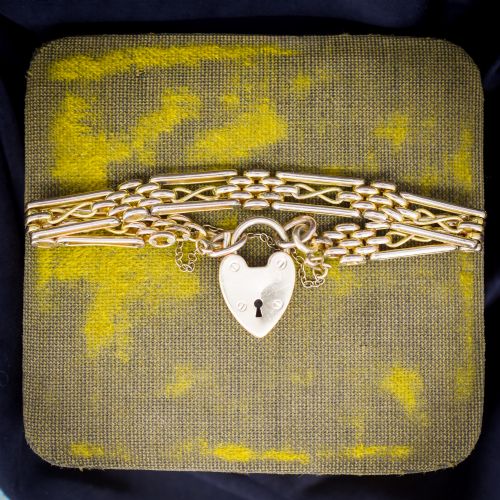
- A wide, articulated bracelet constructed from parallel metal bars connected by tight links, typically fastened with a heart padlock.
- Longuard chain
- An exceptionally long neck chain, frequently exceeding thirty inches, originally intended to hold pocket watches or lorgnettes.
- Trombone link
- An elongated rectangular metal link interspersed with smaller circular or oval rings, named for its resemblance to musical instruments.
Victorian Gold Chain: Frequently Asked Questions
How were longuard chains originally worn?
Longuard chains were traditionally worn draped long around the neck or doubled over to create a layered appearance. They often secured a pocket watch or lorgnette tucked into a pocket or waistband.
Today, these lengths function flexibly as statement necklaces or support pendants and lockets.
What is the difference between an albert chain and a standard necklace?
An albert chain was originally engineered for gentlemen to secure pocket watches, featuring a T-bar to anchor through a buttonhole. They characteristically include specialised terminals like dog clips.
Modern wearers frequently repurpose these robust watch chains to wear directly around the neck as substantial link necklaces.
How do I identify rolled gold pieces?
Rolled gold items consist of a thin layer of genuine gold mechanically bonded to a base metal core for added durability. They offer the warm visual appeal of solid gold at a different weight and production standard.
These pieces often display specific historical stamps indicating their composite manufacture.
What are gate bracelets?
Gate bracelets feature wide, flexible bands formed from rows of metal links reminiscent of traditional pasture gates. They almost universally secure with a distinct heart-shaped padlock clasp.
This distinct structural style remains one of the most recognizable bracelet forms from the period.