




Early Staffordshire Ceramics
Early staffordshire ceramics bring domestic history to life through earthenware, pearlware, and porcelain moulded into figures, jugs, and plates.
Early Staffordshire Ceramics
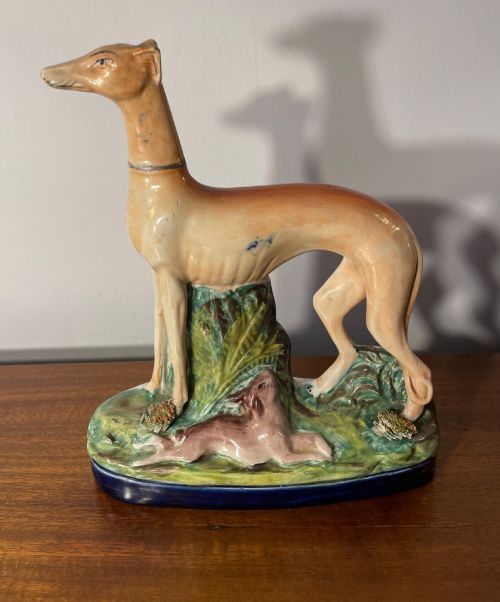
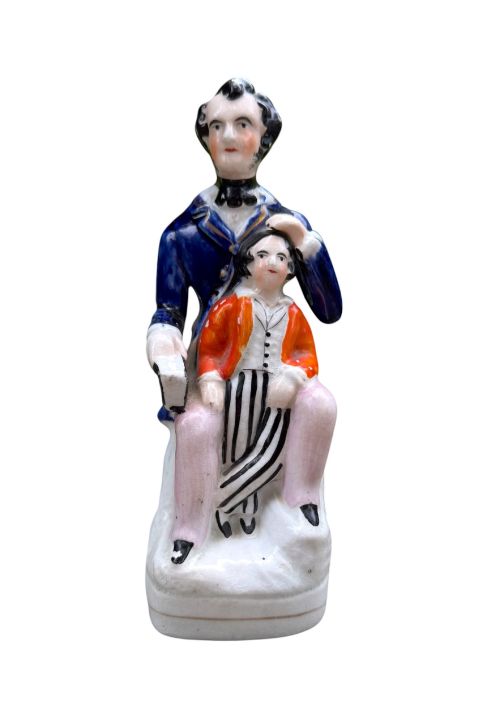
Early staffordshire ceramics comprise a diverse range of figures, jugs, plates, and decorative baskets produced across the nineteenth century. These objects capture the changing tastes of Georgian and Victorian households, moving from utilitarian tableware to decorative mantelpiece ornaments.
You will most frequently meet pearlware figures, blue and white transfer-printed plates, and lustre jugs on this page. These domestic items reflect the industrial output of early pottery works, shaped by distinct regional traditions.
How they were made
Potters shaped earthenware and pearlware bodies using moulds, adding cabbage leaf mouldings, lion mask handles, or detailed animal and human forms. These pieces often received lead glaze or enamel colours before firing.
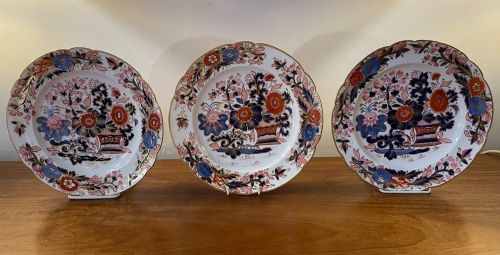
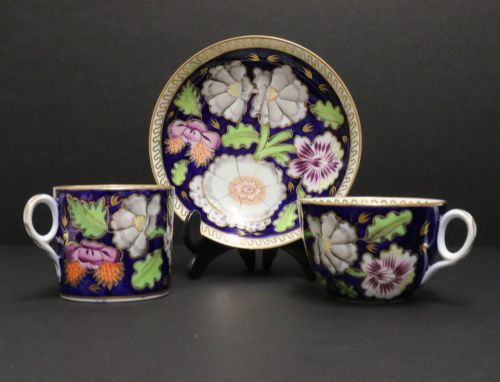
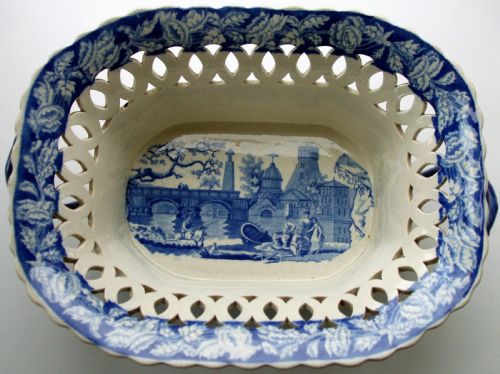
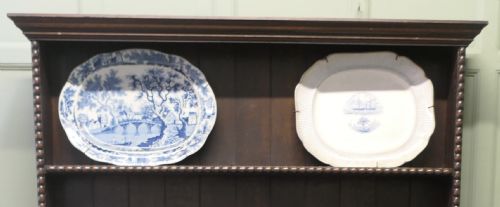
Decoration relied heavily on blue and white transfer printing, purple transfer decoration, and the Imari palette. Gilding and copper lustre finishes were also applied to enhance jugs, plates, and tea sets.
Early Staffordshire Ceramics Retail Price Guide 2026
Typical asking prices for early staffordshire ceramics among the pieces listed under this phrase on Sellingantiques today, from the lower quarter to the upper quarter. They describe what is for sale here now, not the wider market.
What varies in quality
The application of enamel colours, blue and white pigments, and lustre glazes distinguishes standard production from superior output. Well-executed glaze coverage and balanced colour palettes elevate the visual appeal of these ceramics.
J. and R. Clews·Enoch Wood factory
The Early Staffordshire Ceramics Glossary
- Pearlware
- A refined earthenware body developed in the late eighteenth century, featuring a subtle bluish glaze that pooled in recesses.
- Transfer printing
- A method of applying detailed designs to pottery by pressing paper printed with metallic oxides onto the ceramic surface.
- Imari palette
- A decorative scheme utilising underglaze blue, iron red, and gilt, inspired by Japanese porcelain exports.
- Lustre
- A metallic pottery glaze that produces an iridescent or shiny copper, silver, or purple finish upon firing.
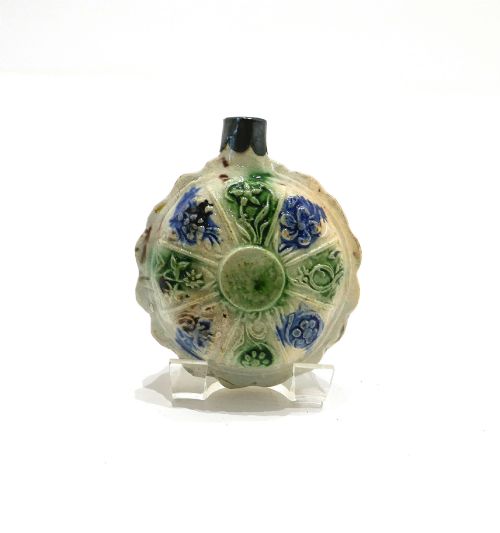
- Prattware
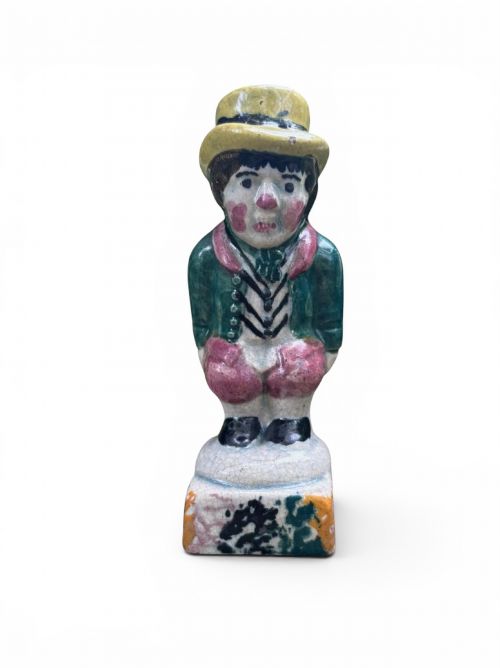
- A type of early earthenware decorated with multi-coloured low-relief designs under a lead glaze.
Early Staffordshire Ceramics: Frequently Asked Questions
How do I identify pearlware?
Pearlware appears whiter than creamware due to a thin glaze containing a small amount of cobalt. This glaze pools with a faint bluish tint in crevices and around the base.
Examine the material closely under good light to spot this characteristic hue. It marks the transition toward nineteenth-century ceramic production.
What is transfer printing?
Transfer printing is a technique where an engraved copper plate transfers a design onto paper. The paper is then pressed onto the ceramic body to apply the pattern before glazing.
This method allowed potteries to produce intricate blue and white scenes quickly. It replaced hand-painting on many everyday domestic items.
Where were these ceramics made?
These pieces originated in the Staffordshire potteries of England, a region renowned for its dense concentration of ceramic manufacturers. Factories utilised local clay and specialised labour to supply domestic and export markets.
Production ranged from large industrial works to smaller regional potteries. Each workshop contributed distinct regional styles and moulded forms.
How were figures used?
Figurines and figure groups served as decorative mantelpiece ornaments in nineteenth-century homes. They often depicted literary characters, historical figures, animals, or moral scenes.
Such objects brought colour and narrative into domestic parlours. They reflect the popular culture and interests of the period.