





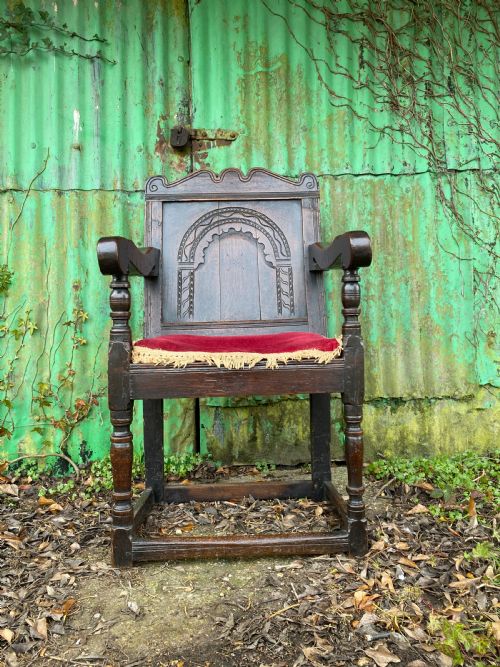
Early Oak Panel Chair
An early oak panel chair brings solid timber craftsmanship and centuries of historic character straight into a modern room.
Early Oak Panel Chair
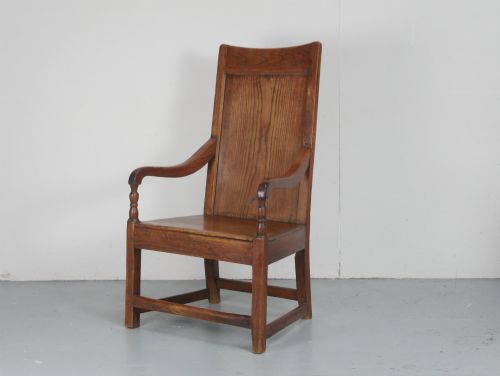
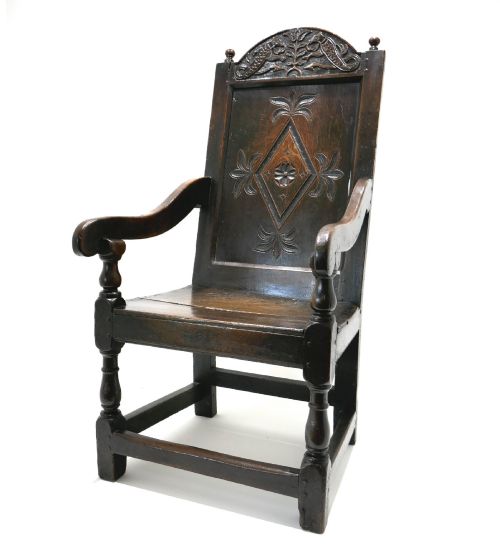
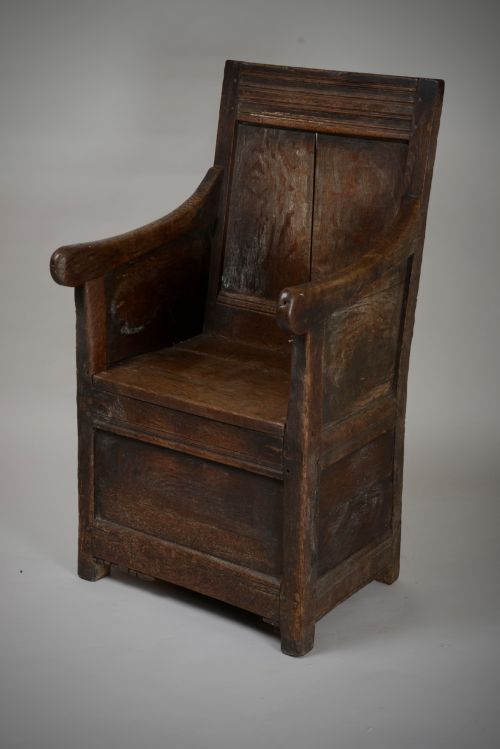
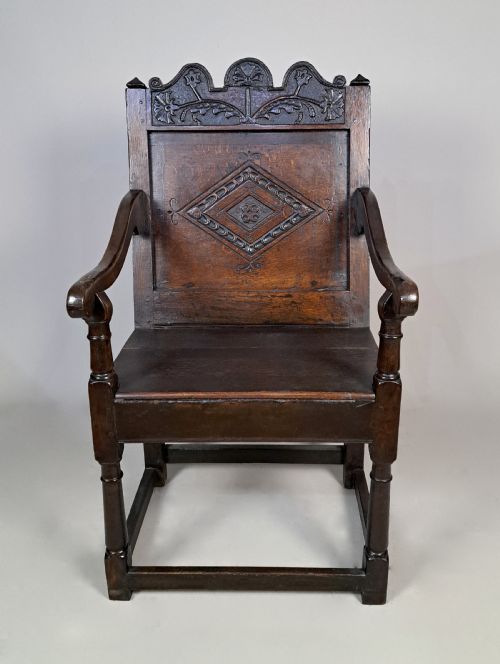
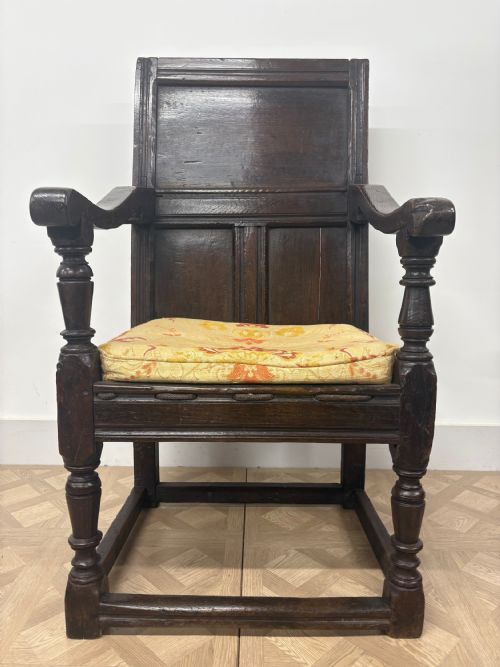
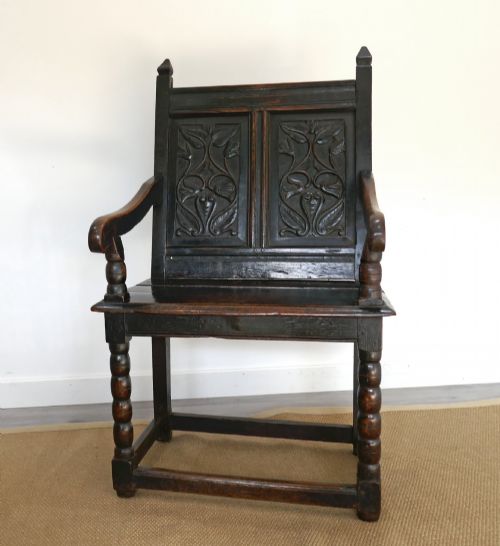
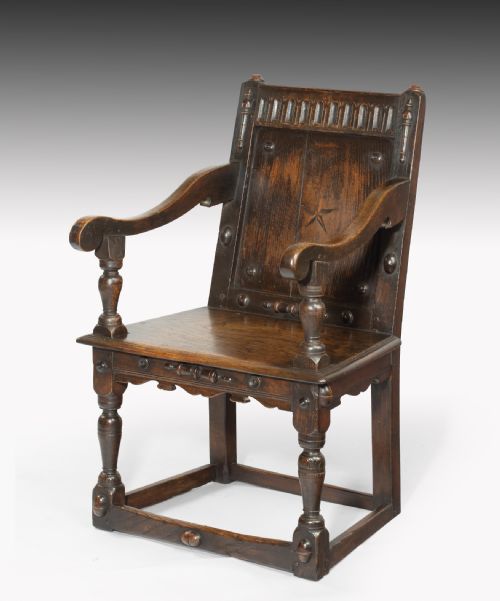
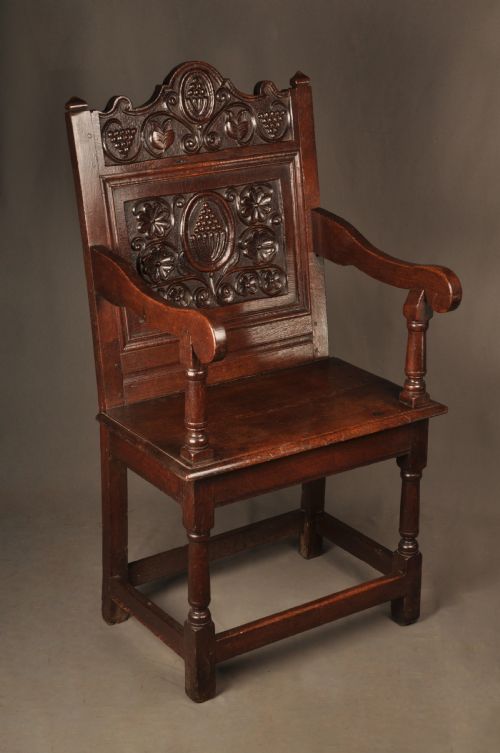
An early oak panel chair is a substantial seating form constructed primarily from solid timber during the sixteenth, seventeenth, and eighteenth centuries. These pieces typically feature high panelled backs and sturdy armrests, reflecting domestic and regional furniture traditions across England, Scotland, and Wales. The selection centres heavily on seventeenth-century wainscot armchairs, alongside occasional Elizabethan box chairs and later eighteenth-century country examples.
Buyers encounter regional variations such as Yorkshire, Lancashire, Cheshire, and Welsh interpretations within the listings. The forms range from strict Jacobean armchairs and James I period seating to revival pieces and eighteenth-century survivals. Each piece demonstrates the architectural joinery methods characteristic of early domestic British interiors.
What varies in quality
The distinction between ordinary and exceptional examples rests in the crispness of the original timber framing and the depth of regional character. Chairs retaining their untouched seventeenth-century proportions and authentic panel construction command greater interest than heavily altered or reconstructed pieces.
The presence of integrated decorative techniques, such as period wood inlay or carved detail, elevates the visual weight of an armchair. Quality also depends on the survival of the original timber surfaces, where genuine age-related patina distinguishes period authenticity from later revival interpretations.
Early Oak Panel Chair Retail Price Guide 2026
Typical asking prices for early oak panel chair among the pieces listed under this phrase on Sellingantiques today, from the lower quarter to the upper quarter. They describe what is for sale here now, not the wider market.
Regional British styles represented include Yorkshire, Lancashire, Cheshire, and Welsh country workshops.
The Early Oak Panel Chair Glossary
- Wainscot chair
- A heavy wooden armchair constructed with panelled backs, popular in domestic interiors during the sixteenth and seventeenth centuries. This form represents the primary style found across the current selection.
- Mortise and tenon
- A traditional woodworking joint where a projecting tongue fits snugly into a corresponding cavity to lock structural timbers together securely. This technique defines the rigid framework of early panelled seating.
- Jacobean
- The stylistic period spanning the reign of James I from sixteen hundred and three to sixteen hundred and twenty-five, characterised by heavy oak construction and formal architectural motifs. Pieces from this era often display rigid symmetry and carved panelling.
- Panel back
- A construction method utilising flat wooden boards fitted within a grooved frame to form the backrest of a chair. This design provided structural stability and protected occupants from draughts.
Early Oak Panel Chair: Frequently Asked Questions
How do I date an early oak panel chair?
Dating relies on examining the joinery methods, timber characteristics, and stylistic traits specific to sixteenth and seventeenth-century workshops. Hand-cut pegs, regional construction quirks, and the wear patterns on solid oak surfaces provide reliable chronological clues.
Later revival pieces from the nineteenth century often mimic earlier forms but betray their age through machine-sawn timber marks and incorrect assembly techniques. Comparing the piece against documented examples from the same region helps confirm the period.
Were these chairs used at the dining table?
These substantial armchairs served primarily as positions of authority for the head of the household rather than casual dining seating. Their heavy solid oak construction made them permanent fixtures in the great hall or parlour.
As domestic habits shifted over the centuries, families moved them into studies or principal living spaces where their architectural presence could be fully appreciated. They function well today as statement reading chairs in traditional or contemporary interiors.
How do I care for solid oak furniture?
Maintaining solid oak requires keeping the timber away from direct heat sources and rapid humidity fluctuations that cause wood to split. Regular dusting with a dry, soft cloth preserves the historic surface without stripping the natural wax and patina.
Occasional application of a traditional beeswax feed helps nourish dry seventeenth-century timber. Avoid modern silicone polishes, as they build up residue and alter the natural appearance of the antique wood.
What is the difference between a wainscot chair and a standard armchair?
A wainscot chair is specifically constructed using heavy oak panelling for the backrest and solid timber framing throughout. The term originates from high-quality Dutch oak boards imported for panelling walls and furniture.
Standard armchairs from later periods often feature open upholstered backs or lighter spindle structures rather than solid wooden panels. The wainscot form remains distinctly architectural and rooted in sixteenth and seventeenth-century joinery.