


Early Oak Drawers
Early oak drawers bring deep grain, honest utility and centuries of practical domestic history straight into a room.
Early Oak Drawers
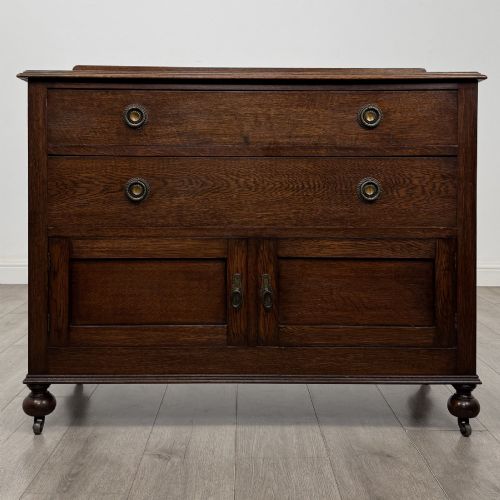
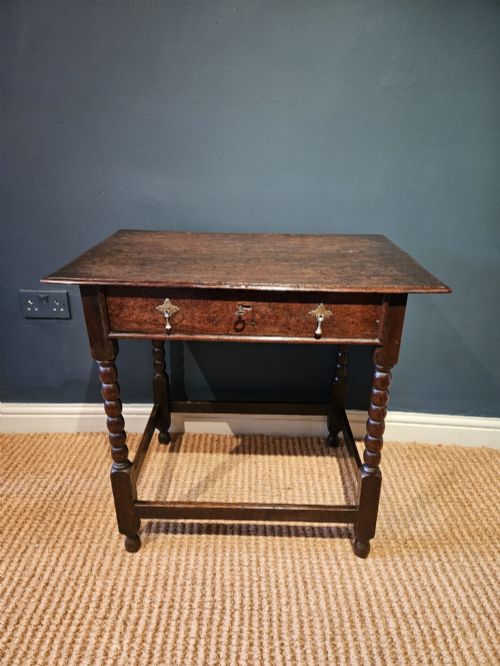
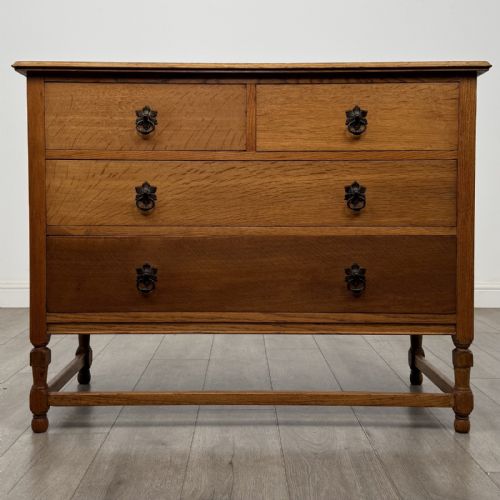
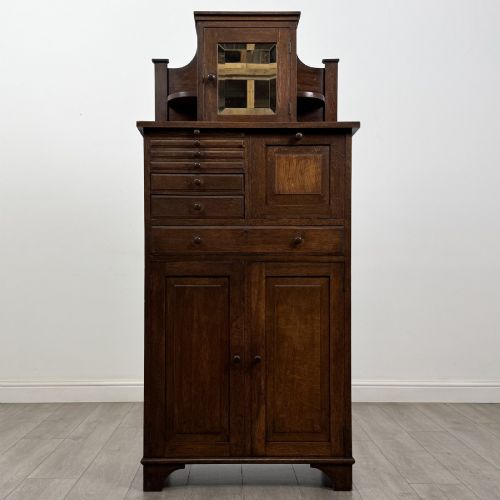
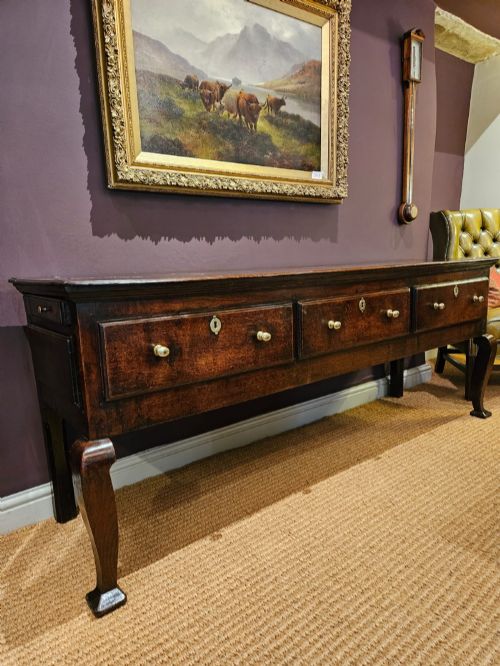
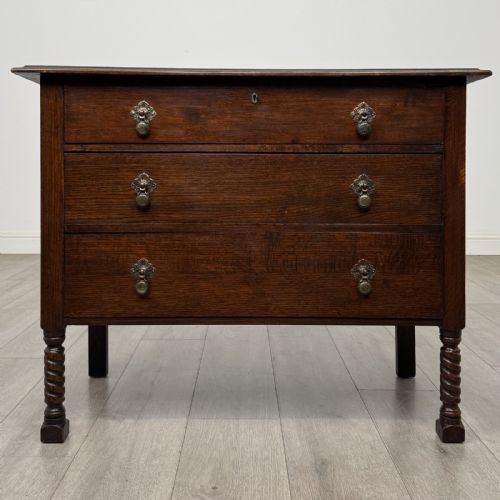
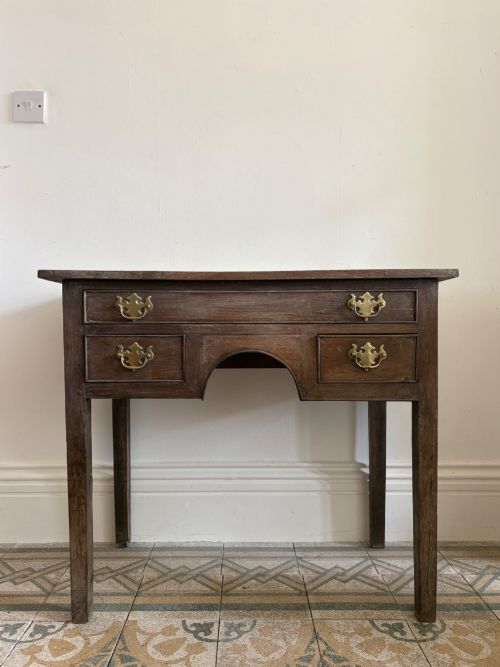
Early oak drawers encompass robust storage furniture dating from the seventeenth and eighteenth centuries, alongside later revivals from the twentieth century. These pieces include chests of drawers, lowboys, mule chests and bureau bookcases designed for holding household goods and documents.
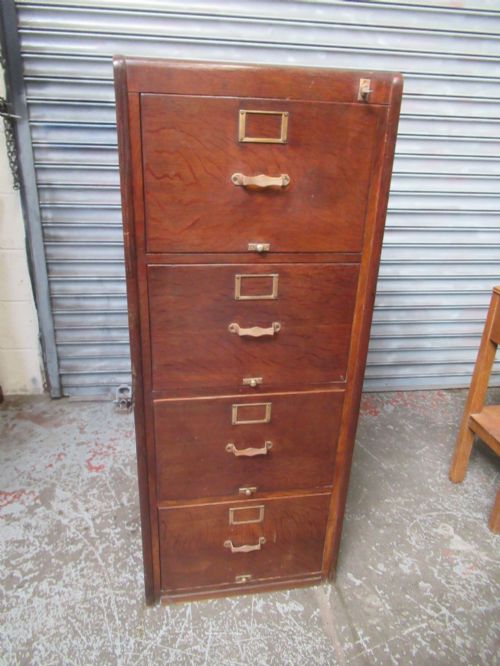
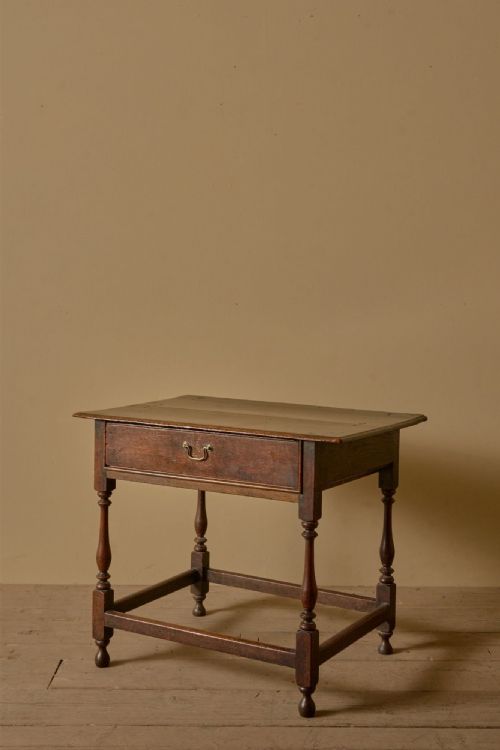
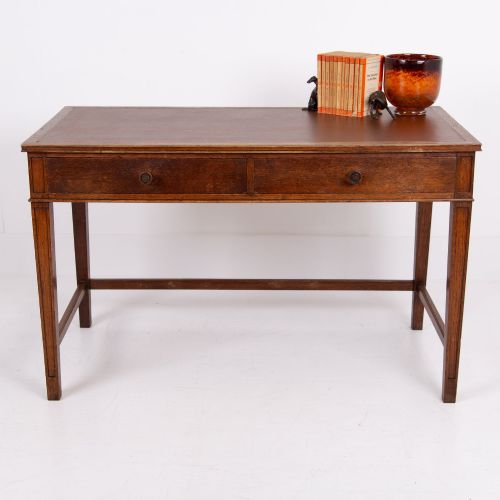
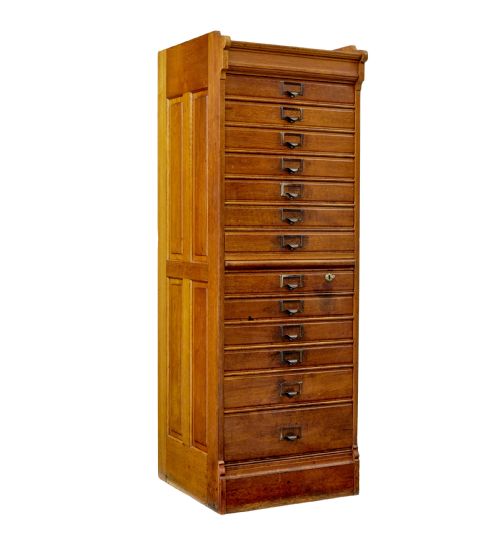
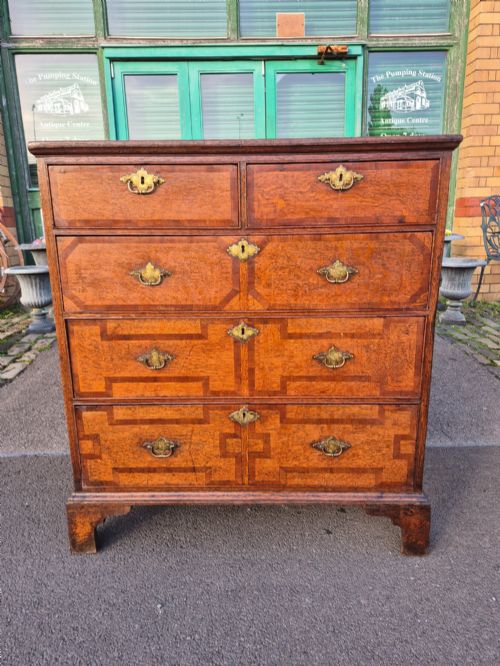
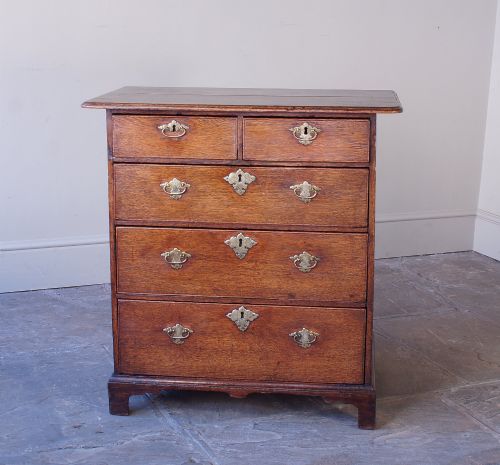
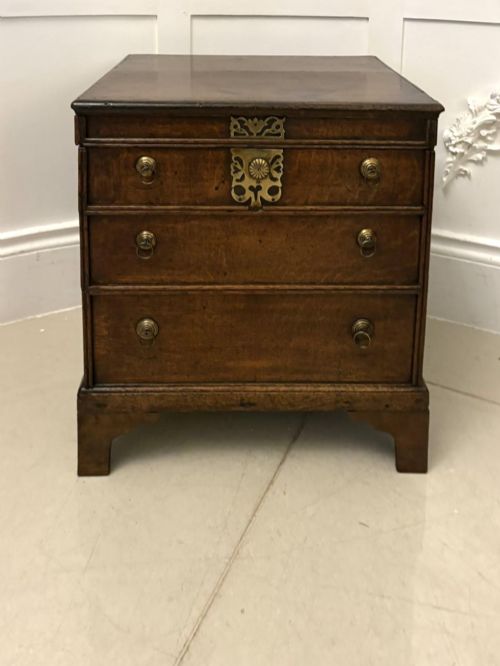
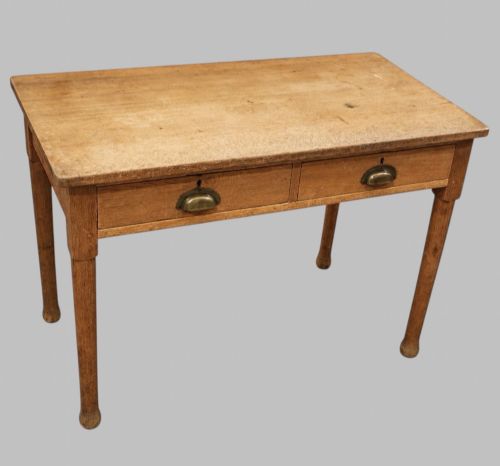
The versions most frequently met on this page date from the early eighteenth century, displaying clean geometric drawer fronts, small proportions and dark patination. Alongside these, buyers encounter utilitarian filing cabinets and side tables produced during the Edwardian period and the early twentieth century.
Constructed primarily for utility in country houses, farmhouses and town dwellings, these items carry the marks of heavy domestic service. Their survival depends upon sturdy timber framing and straightforward joinery methods that outlasted changing interior fashions.
Materials and Construction
Makers relied heavily on solid timber, choosing dense domestic oak supplemented by elm, walnut and occasional fruitwoods for secondary elements. Boards were hand-sawn and planed, showing irregularities that distinguish early construction from later industrial milling.
Frames utilised pegged mortise and tenon joints to secure the primary structure, while drawer boxes relied on hand-cut dovetails. Iron and brass drop handles, escutcheons and hinges were secured to the timber with hand-forged pins or screws.
Surface finishes developed naturally through waxing, oiling and decades of handling, creating a dry or mellow surface rather than a high gloss. Secondary woods like deal or pine often appear internally within drawer linings and backboards.
Early Oak Drawers Retail Price Guide 2026
Typical asking prices for early oak drawers among the pieces listed under this phrase on Sellingantiques today, from the lower quarter to the upper quarter. They describe what is for sale here now, not the wider market.
Listings span from the seventeenth century through to the nineteen-fifties, featuring oak, walnut, elm and brass hardware.
Distinguishing Quality
Quality rests upon the integrity of the timber selection and the restraint of the mouldings applied to the drawer fronts. Pieces displaying crisp geometric panelling or well-figured grain sit at the upper end of the range.
Proportion and scale dictate the desirability of a piece, with smaller lowboys and chest on stand forms commanding greater attention than heavy, utilitarian cupboards. The preservation of original brass hardware and untouched surface patination elevates a piece above those with replaced fittings or stripped finishes.
Heals
The Early Oak Drawers Glossary
- Lowboy
- A small dressing table or side table featuring one or more rows of drawers raised on four legs. These tables appeared frequently in seventeenth and eighteenth-century domestic interiors.
- Geometric moulded
- A decorative treatment on drawer fronts utilising applied raised mouldings to form intersecting geometric patterns. This style is closely associated with late seventeenth-century case furniture.
- Chest on stand
- A tall drawer section mounted upon a separate low table base with legs. This form lifted storage higher off damp floors while providing deep capacity.
- Mule chest
- A storage chest fitted with one or more drawers built into the base beneath the main compartment. They bridge the functional gap between traditional blanket chests and modern drawer units.
Early Oak Drawers: Frequently Asked Questions
How do I date an early oak chest?
Dating relies on observing construction methods, handle types and timber characteristics. Hand-cut dovetails, pegged joints and board thicknesses provide reliable chronological clues.
Surface wear patterns and timber shrinkage also indicate age, separating seventeenth-century originals from twentieth-century revivals.
Were these drawers used in bedrooms?
Many smaller chests and lowboys served in bedchambers for linens and personal items. Larger cupboards and bureau bookcases often remained in parlours or studies.
Servants' quarters and sculleries also utilised simpler, utilitarian drawer units for everyday domestic supplies.
How should I care for dry oak?
Maintain a stable room environment away from direct heat sources and strong sunlight to prevent timber splitting. Apply a traditional beeswax sparingly to nourish the grain.
Avoid modern liquid polishes that build up artificial layers and alter the historic patination of the wood.
What is a geometric moulded drawer?
This decorative technique involves applying raised wooden moulds directly to the drawer face in repeating geometric patterns. It reflects craftsmanship popular during the late seventeenth century.
Such mouldings add architectural depth and visual texture to otherwise plain oak surfaces.