


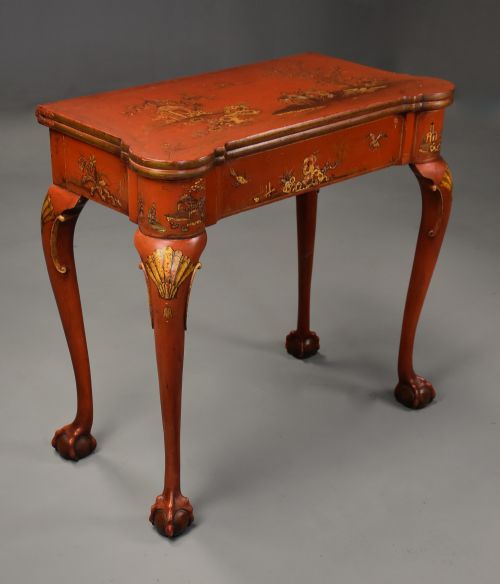

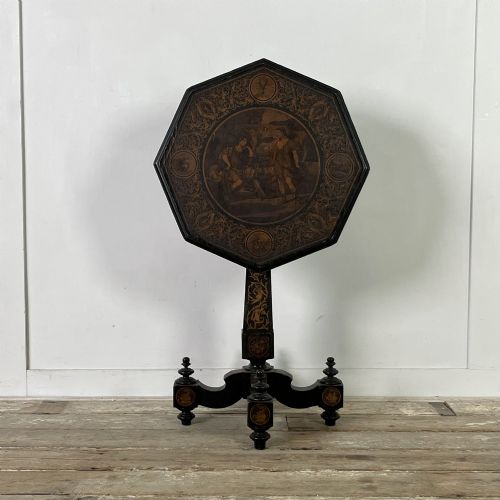


Early Georgian Tea Table
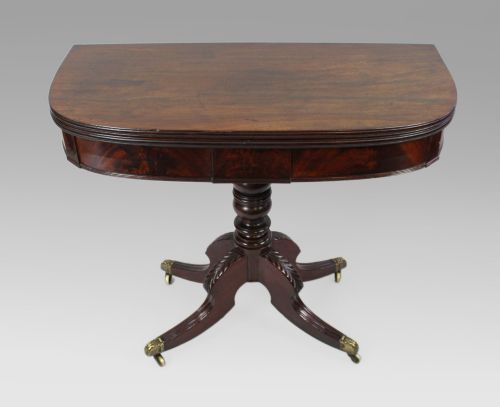
An early georgian tea table brings solid mahogany and clever folding tops together to serve the traditional afternoon brew.
Early Georgian Tea Table
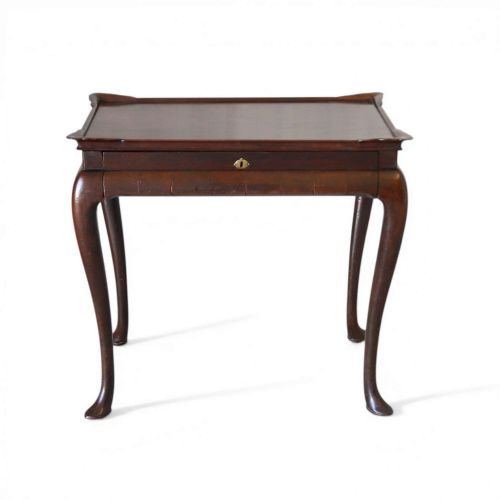
An early georgian tea table is a domestic piece designed for social entertaining during the eighteenth century. These surfaces accommodate the porcelain and silver required for the ritual of taking tea.
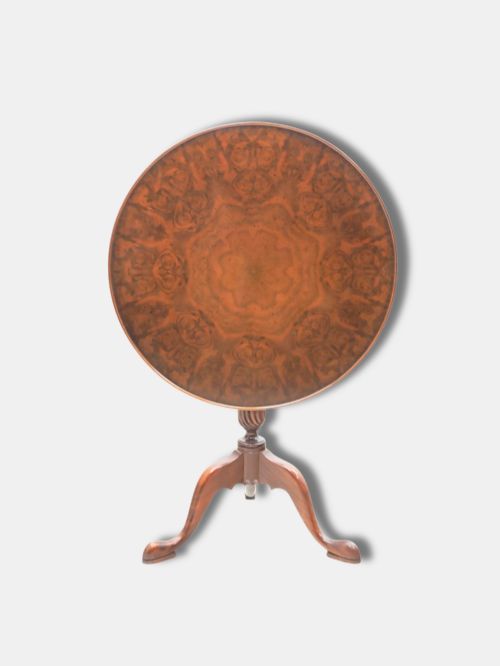
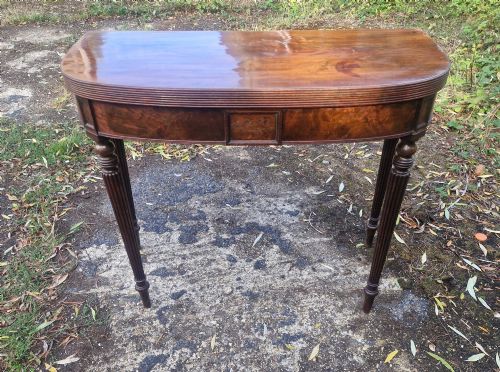
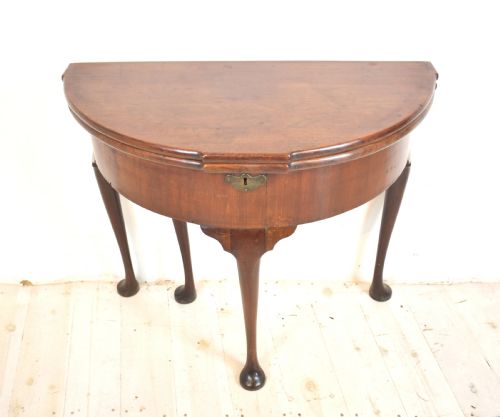
The version most frequently met on this page is constructed from mahogany, often featuring a folding top that reveals a polished surface once opened. Examples span from the early eighteenth century into later revivals.
Makers produced these forms with specific mechanisms, including birdcage actions and turn-over leaves, to save space in the parlour when tea service concluded.
Materials and construction
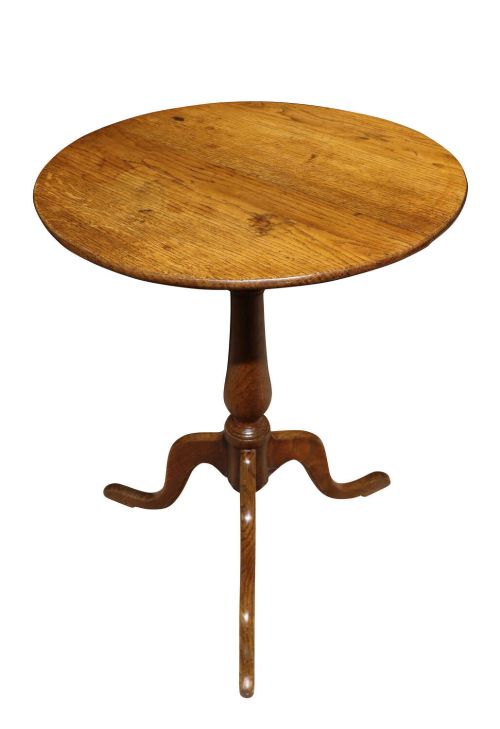
Cabinetmakers relied heavily on dense timber such as mahogany, walnut, and oak to build the frames and tops. Selected pieces use crossbanding and figuring to accentuate the grain of the wood.
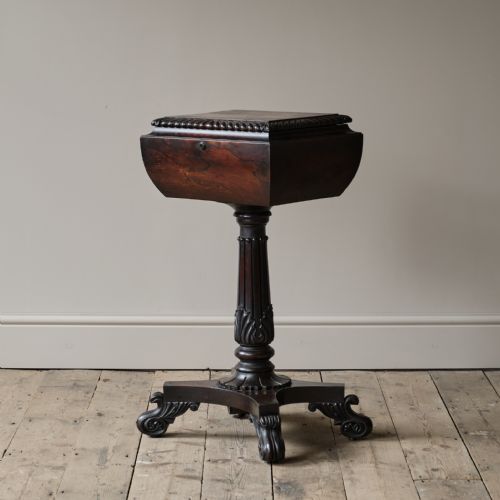
Joinery methods involved sturdy tenons and clever pivoting hinges on fold-over leaves to support the weight of the timber without warping. Turned columns and tripod bases provided stable support for smaller occasional formats.
Materials recorded across these tables include mahogany, walnut, oak, rosewood, satinwood, boxwood, brass, gesso, and fruitwood.
Evaluating craftsmanship
The grade of timber selection and the precision of the cabinetwork distinguish finer examples from standard production. Grain matching across fold-over leaves demonstrates the maker's intent.
The crispness of carved details on legs and edges separates superior workshops from simpler country production. Sound mechanical actions for folding and tilting surfaces indicate careful initial construction.
Gillows
The Early Georgian Tea Table Glossary
- Fold-over top
- A hinged table surface that doubles in area when opened for serving tea or playing games. This mechanism rests on a swinging rear leg or concertina frame.
- Birdcage action
- A rotating wooden framework beneath a table top that allows the surface to tilt and turn. It sits atop a central pedestal column.
- Cabriole leg
- A furniture leg that curves outward at the knee and tapers inward toward the foot. This style draws inspiration from animal limbs.
- Crossbanding
- A strip of veneer applied to the border of a table top with the grain running perpendicular to the main panel. This technique creates a decorative frame.
- Tripod base
- A pedestal support resting on three individual feet. It provides stability for small occasional tables.
Early Georgian Tea Table: Frequently Asked Questions
How do you use an early georgian tea table today?
These tables function well as console surfaces or occasional display areas in a modern sitting room. The folding tops permit them to sit flat against a wall when extra floor space is needed.
Opening the leaf provides a sturdy surface for lamps, books, or drinks during gatherings. Their compact proportions allow them to fit easily into smaller interior spaces.
What is the difference between a tea table and a card table?
Tea tables typically feature plain or dish tops designed to hold porcelain vessels securely during service. Card tables often incorporate baize-lined interiors and corner pockets for counters.
Both forms utilise similar fold-over mechanisms from the eighteenth century. Collectors examine the interior surfaces to determine the original intended function.
How do you identify a genuine period piece?
Examination of the timber, joinery, and underside construction reveals the age of the structure. Eighteenth-century examples display hand-cut joints and timber shrinkage appropriate to their age.
Hardware such as hinges and screws should match the manufacturing techniques of the stated period. Revivals from later centuries often incorporate machine-cut components.
How should I care for a mahogany surface?
Keep wooden furniture away from direct sunlight and sudden temperature changes to prevent the timber from splitting. Regular dusting with a dry cloth maintains the finish.
Applying occasional natural wax helps nourish the antique grain without building up heavy residues. Avoid placing wet containers directly on the polished wood.