

Early Georgian Seating
Early georgian seating brings domestic history to life through walnut and mahogany chairs, benches, and stools made to anchor period rooms.
Early Georgian Seating
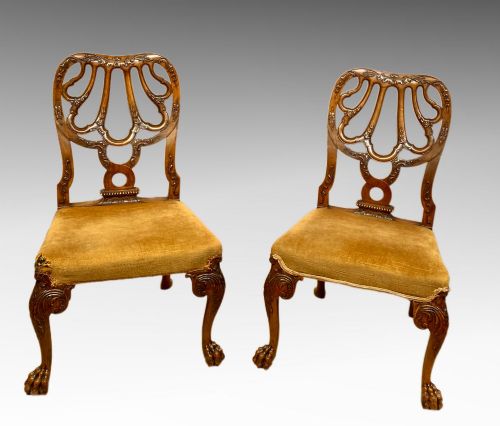
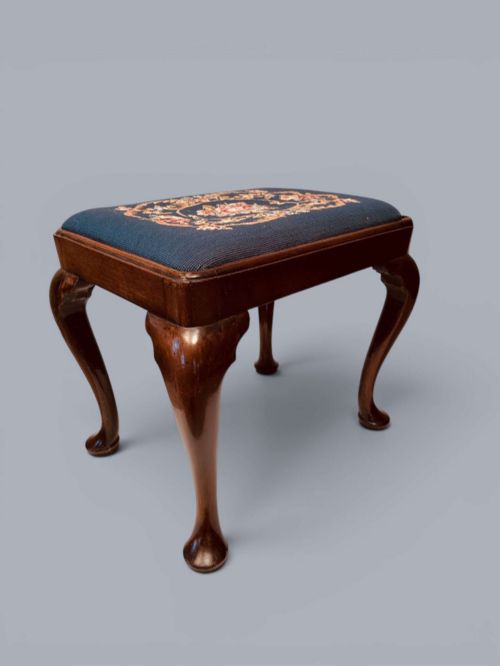
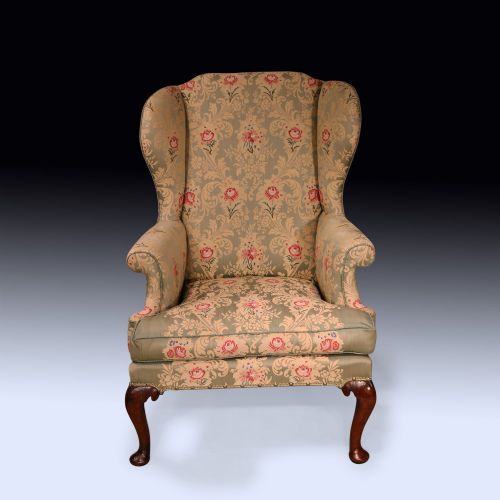
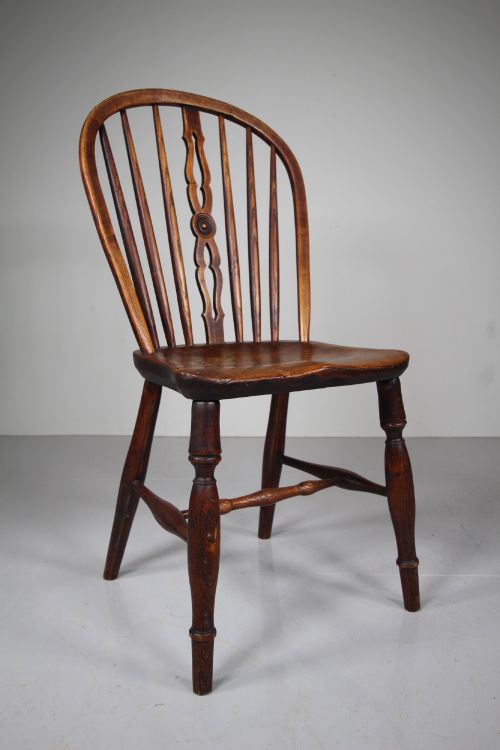
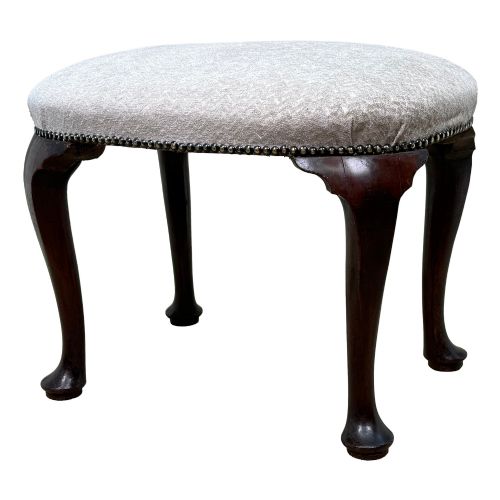
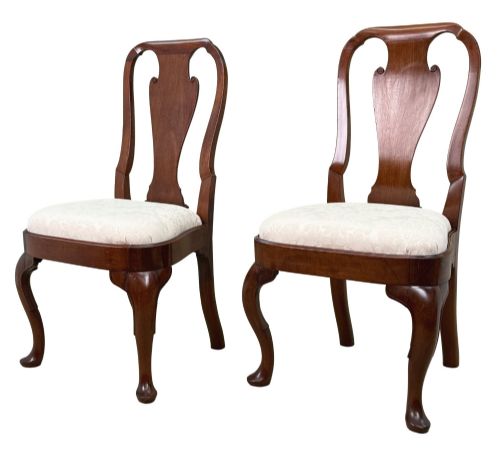
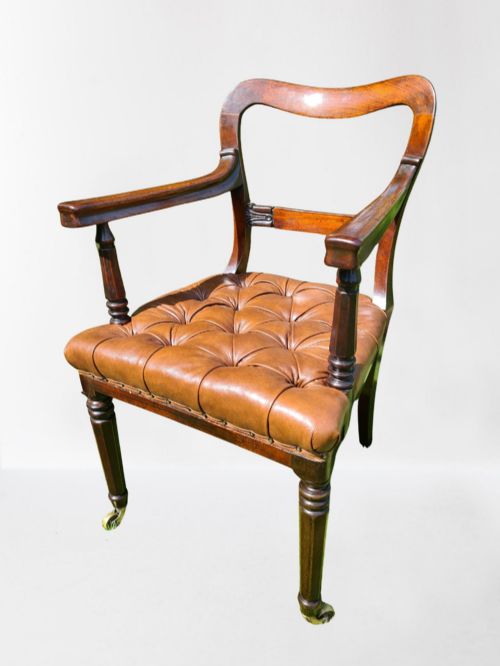
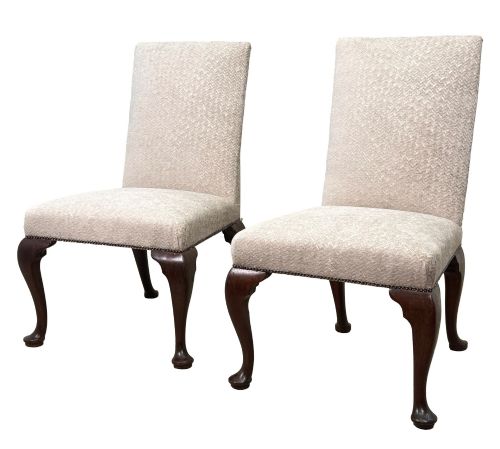
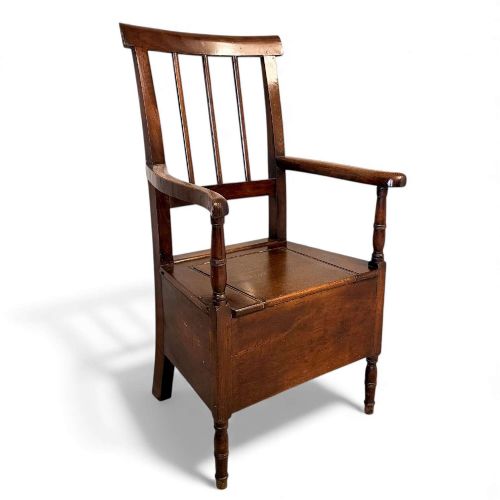
Early georgian seating encompasses dining chairs, armchairs, side chairs, stools, benches, and settles originating predominantly from the eighteenth and early nineteenth centuries. These pieces reflect the prevailing domestic designs of the Georgian, Queen Anne, and George I periods, alongside regional vernacular traditions.
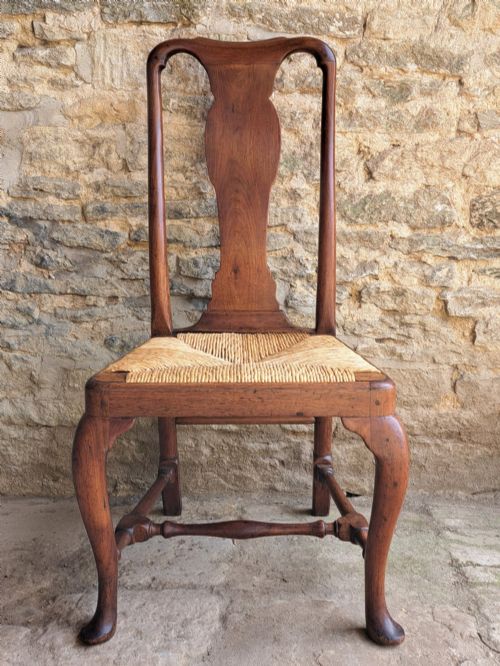
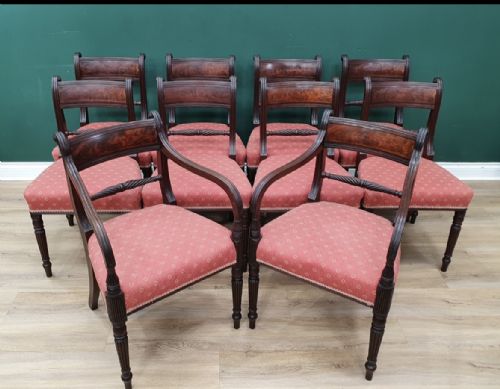
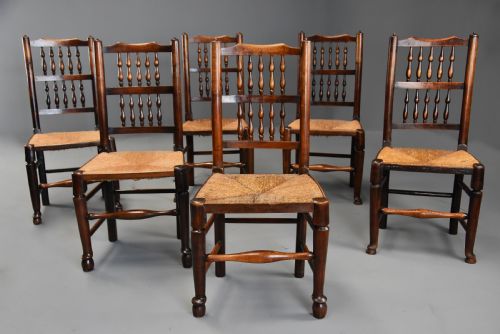
A buyer seeking early georgian seating most commonly encounters sturdy walnut or mahogany side chairs and armchairs alongside country elm, ash, and rush-seated variants. Forms range from single chairs to matched sets intended for dining spaces, parlours, and hallways.
Materials and construction methods
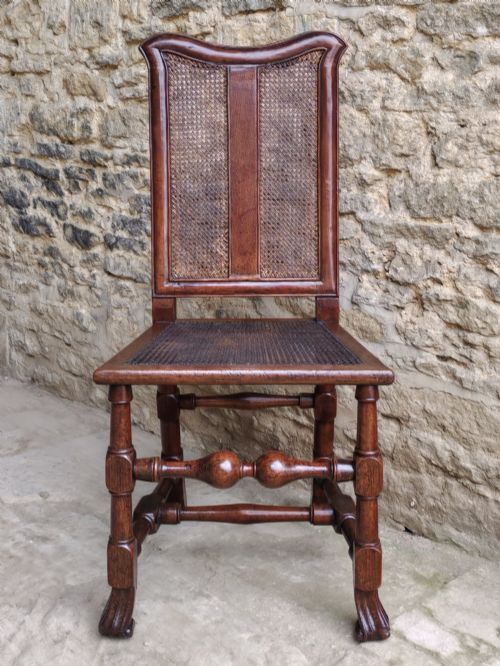
Cabinet makers built early georgian seating primarily using dense hardwoods such as walnut, mahogany, and oak, frequently pairing them with secondary woods like elm and fruitwood in vernacular pieces. Seat frames often incorporated rush, fabric, or leather upholstery secured directly to the wooden rails.
Joinery techniques relied on traditional mortise and tenon joints to ensure structural integrity across dining chairs, settles, and benches. Turned wooden components and carved details emerged from seasoned timber using hand chisels and lathes.
Early Georgian Seating Retail Price Guide 2026
Typical asking prices for early georgian seating among the pieces listed under this phrase on Sellingantiques today, from the lower quarter to the upper quarter. They describe what is for sale here now, not the wider market.
Listings feature woods such as walnut, mahogany, oak, elm, and fruitwood spanning the eighteenth and nineteenth centuries.
Factors determining quality
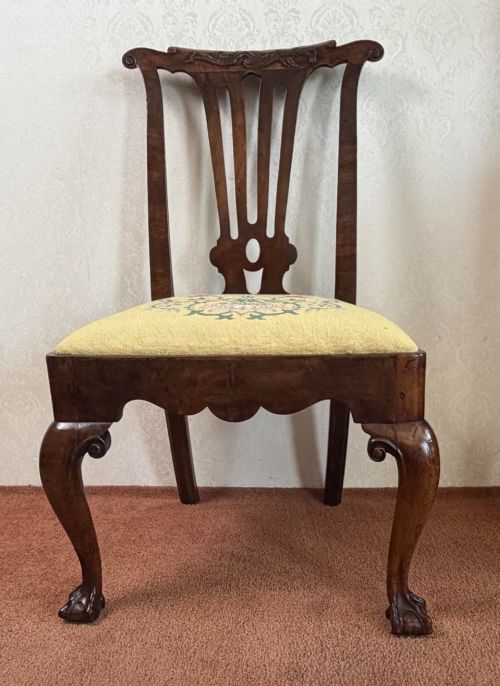
Quality in early georgian seating rests on the selection of timber, particularly the grain figuration in walnut and mahogany surfaces. Superior examples display thoughtful proportions and crisp carving on splats, knees, and terminals.
The degree of original surface preservation and untouched structural joinery dictates the standing of a piece within its category. Examples retaining period upholstery foundations or authentic patination command greater interest among purists.
The Early Georgian Seating Glossary
- Splat
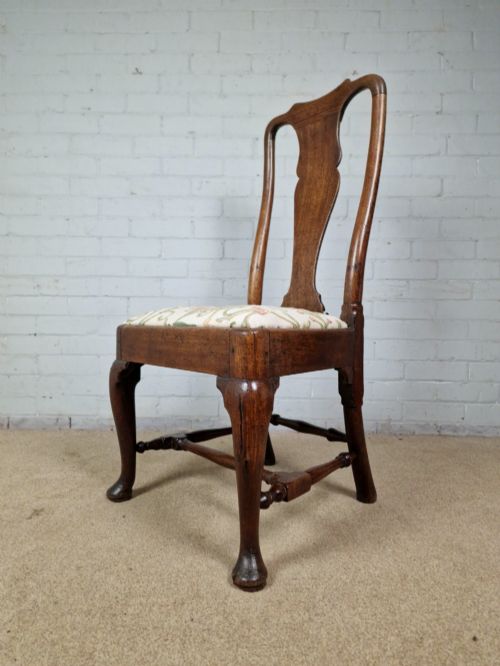
- The vertical central strip of wood in the back of a chair. It frequently takes a vase or fiddle shape in eighteenth-century designs.
- Drop-in seat
- A removable wooden frame upholstered separately and dropped into a ledge inside the chair seat rails. This technique allowed for easier recovering of the textile.
- Vernacular
- Objects made by regional craftsmen for local use rather than high-style urban workshops. These pieces often utilise local timbers like elm, fruitwood, and ash.
- Settle
- A wooden bench with a high solid back and enclosed arms designed to block draughts in large rooms. They often double as storage chests with hinged seats.
- Patina
- The surface sheen and colour developed by wood through decades of handling, polishing, and light exposure. It serves as an indicator of age and careful maintenance.
Early Georgian Seating: Frequently Asked Questions
How do I identify a true period piece?
Examine the construction methods visible underneath and inside the frame, looking for hand-cut joinery and period tool marks. Timber selection and age-appropriate wear patterns across high-contact areas provide further confirmation.
Compare the proportions and decorative motifs against documented examples from the Queen Anne and George I eras. Consistent patination across the wood surfaces also helps verify authenticity.
Were these chairs used daily?
Most pieces served practical functions in dining rooms, halls, and parlours of period homes. Dining sets and armchairs experienced regular domestic service over generations.
Country vernacular chairs saw heavy use in farmhouses and cottages, accounting for the rustic repairs often found on elm and rush examples. Formal walnut pieces typically remained in reception rooms.
Can I use antique chairs for daily dining?
Many sturdy mahogany and oak chairs remain structurally sound for regular seating around a modern dining table. Careful checks on the joints ensure they can safely support daily use.
Delicate walnut or fragile rush-seated variants require more consideration and gentle treatment. Weight limits and placement away from direct heat sources help preserve their integrity.
How do I care for wooden seat frames?
Maintain stable indoor humidity levels to prevent the timber from drying out, cracking, or shrinking. Avoid placing chairs directly next to radiators or under harsh sunlight.
Apply occasional appropriate wax polish to nourish the wood and protect the surface patina. Clean upholstery gently according to the specific textile requirements.