


Early Georgian Needlework
Early georgian needlework brings together finely stitched samplers and silkwork pictures that capture centuries of domestic skill.
Early Georgian Needlework
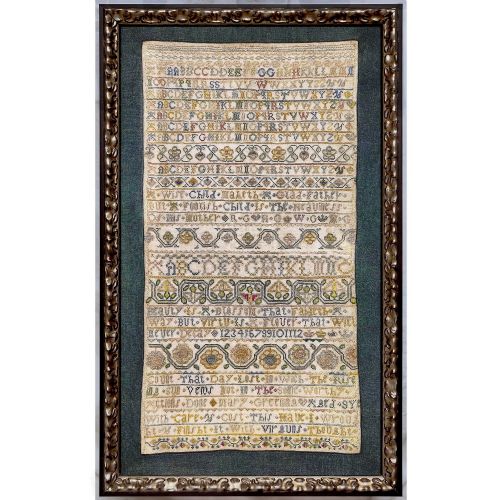
Early georgian needlework encompasses textile art, samplers, and framed pictures created during the Georgian and Regency periods. Buyers encounter framed wall art, embroidered pictures illustrating stories, and detailed band samplers worked on linen.
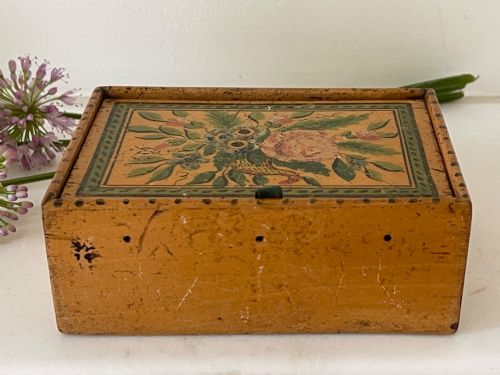
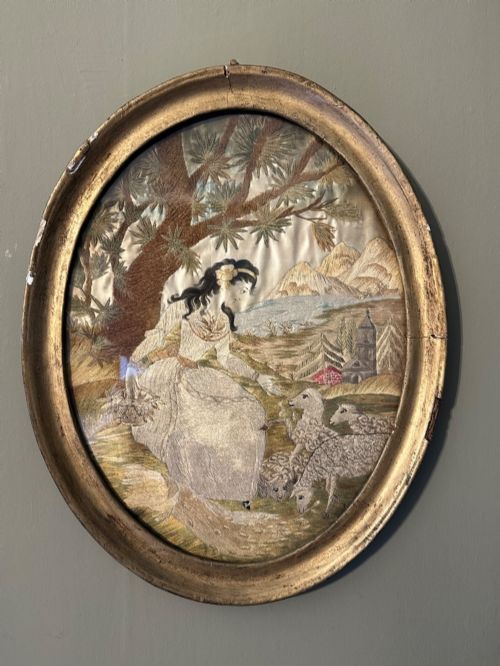
The selection ranges from 18th-century pieces bearing specific maker names to early 19th-century crewel work embroidery and silkwork pictures. Sewing boxes and work tables associated with these textile pursuits also appear across the listings.
What varies in quality
The intricacy of the stitchwork and the preservation of the fabric determine the standing of each piece. Surviving examples with documented maker names or legible dates hold distinct historical weight.
The joinery and timber selection in accompanying sewing tables or frames separate standard utility items from higher workshop output.
Mary Greening·Sarah Reading·Susan Mary Williams·Mary Pinfold·Lord Peter Bauer·Gillows of Lancaster
The Early Georgian Needlework Glossary
- Sampler
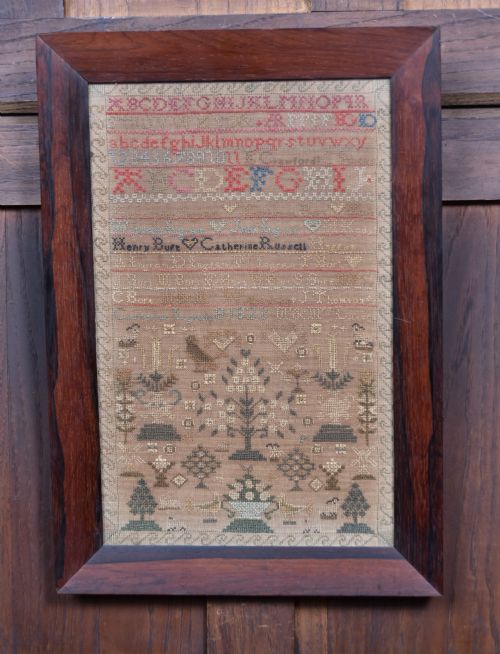
- A piece of textile art demonstrating a maker's proficiency in various stitches and alphabets. These were often signed and dated.
- Crewel work
- Embroidery executed with wool yarn on a sturdy linen or twill ground. It produces textured, tactile designs.
- Silkwork
- Needlework created using fine silk threads to produce pictorial scenes or maps. These often featured glazed frames for protection.
- Band sampler
- A long, narrow format featuring horizontal bands of different embroidery patterns. They date primarily to the seventeenth and eighteenth centuries.
Early Georgian Needlework: Frequently Asked Questions
How do I date early georgian needlework?
Examine the materials used for the ground fabric and threads, alongside any stitched dates or maker signatures. Frame construction and glazing styles also offer clues to the period.
Compare the stitching style and motifs with dated examples from the same century to narrow down the decade of creation.
Where were samplers displayed?
Historic samplers were typically framed and hung in domestic parlours to showcase household accomplishments and literacy.
They served as both educational exercises for young makers and decorative heirlooms passed down through families.
How do I care for framed needlework?
Keep textile art away from direct sunlight to prevent silk and wool threads from fading and becoming brittle. Maintain stable room humidity to protect the historic fibres.
Ensure frames remain sealed to protect the delicate embroidery from dust and atmospheric pollution over time.
What is the difference between a sampler and an embroidered picture?
Samplers primarily record alphabets, numerals, and repetitive practice stitches executed by a maker to demonstrate skill. They often include genealogical details or pious verses.
Embroidered pictures depict complete narrative scenes, maps, or illustrations of stories using pictorial stitch techniques rather than practice rows.