




Early Georgian Gilt Mirror
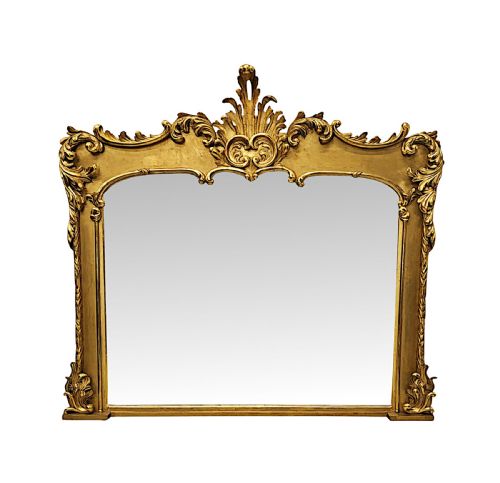
An early georgian gilt mirror brings monumental presence to a room, catching daylight on gold leaf and gesso carved with architectural precision.
Early Georgian Gilt Mirror
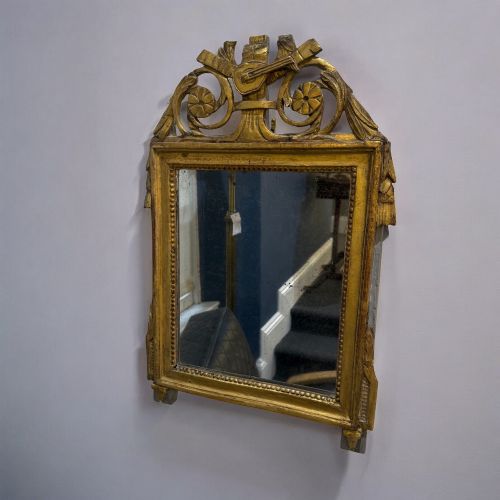
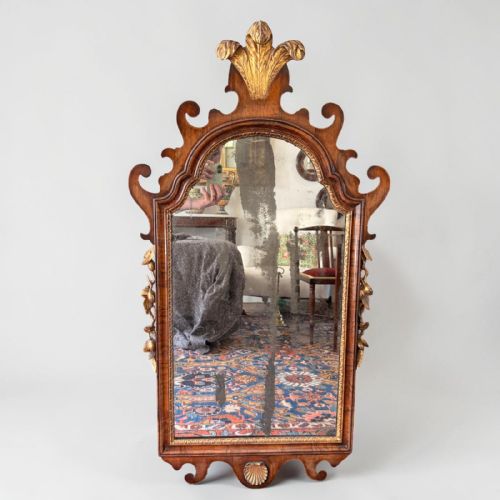
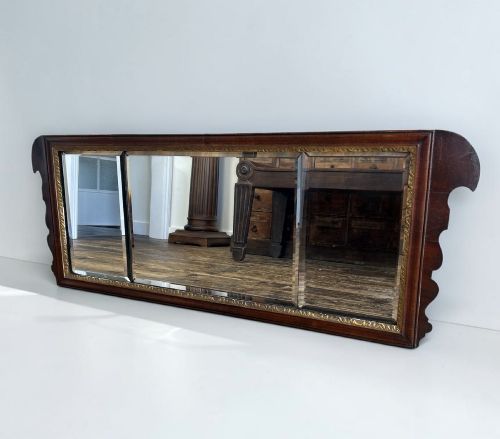
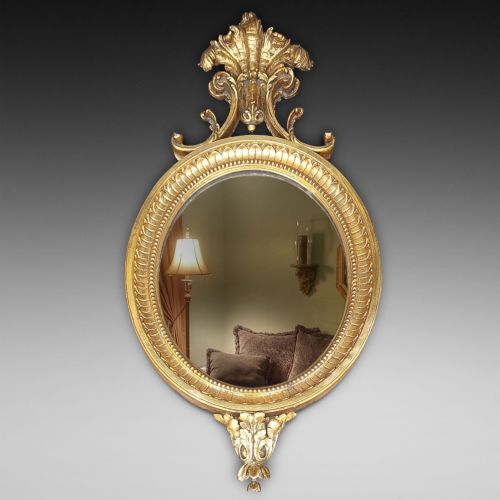
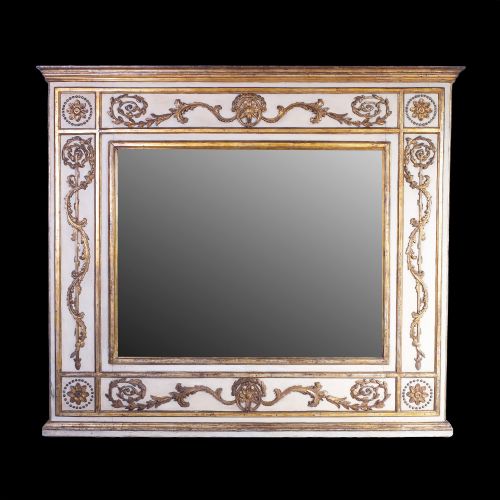
When you search for an early georgian gilt mirror, you encounter pieces spanning the eighteenth century alongside later revivals from the nineteenth and twentieth centuries. The selection includes walnut pier mirrors, landscape-oriented overmantels with triple plates, and tall wall mirrors carrying the hallmarks of George I and George II design.
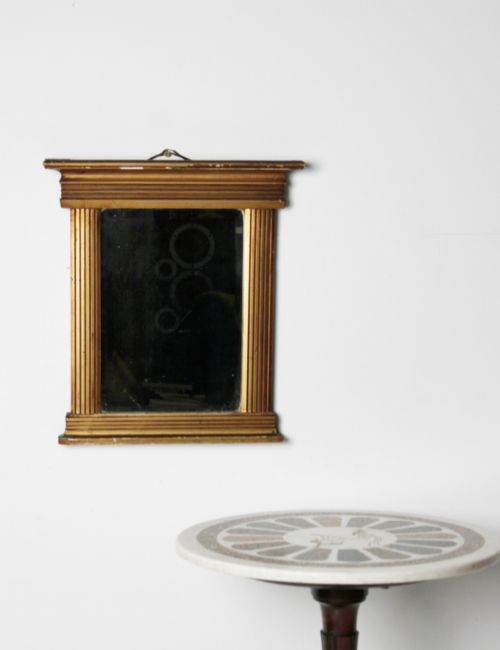
While walnut and parcel-gilt frames anchor the earlier end of the spectrum, subsequent pieces employ ebonised wood, mahogany, and japanning alongside giltwood. Many examples reflect the architectural ambition of the period, featuring carved fretwork, architectural pediments, and gilded gesso details.
Materials and construction
Makers built the foundational frames of these mirrors using native timbers such as walnut, mahogany, and pine, which were then carved and prepared for gilding. Layers of gesso provided a smooth ground for gold leaf or water gilding, while specific examples incorporated ebonised elements or reverse painted glass.
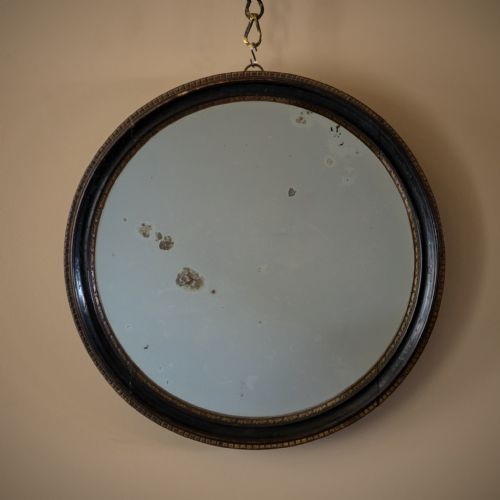
Glass plates of the period, including original mercury plates, reveal subtle imperfections and distinct ageing patterns that distinguish them from modern float glass. Triple plate configurations and convex plates required precise joinery within the carved wooden framework to hold the heavy glass securely.
Listings incorporate walnut, mahogany, and ebonised wood alongside traditional giltwood and gesso.
Indicators of standard
The crispness of the carved gesso and the depth of the relief work on the wooden frame determine the visual impact of the piece. Crisp acanthus leaves, sharp architectural mouldings, and well-preserved water gilding signal superior workmanship.
The survival of original mirror plates, whether flat mercury glass or convex discs, adds significantly to the historical integrity of the mirror. Original backing boards, uncompromised gilding layers, and authentic parcel-gilt highlights separate standard decorative pieces from those of high collector interest.
John Belchier·William Kent
The Early Georgian Gilt Mirror Glossary
- Giltwood
- Wood carved and subsequently coated with gold leaf or metallic powder. This finish gives the mirror its characteristic reflective surface and warmth.
- Gesso
- A plaster-like mixture applied to wooden frames as a smooth base for gilding. It allows for intricate, sharp relief carving.
- Pier Mirror
- A tall, narrow mirror designed to hang on the wall space between windows. These pieces often feature matching console tables below them.
- Overmantel Mirror
- A wide, landscape-oriented mirror designed to sit above a fireplace mantelpiece. They frequently incorporate multiple glass plates.
- Mercury Plate
- An antique mirror glass produced using a tin and mercury amalgam. It exhibits characteristic dark speckling and a soft, distorted reflection.
Early Georgian Gilt Mirror: Frequently Asked Questions
How do I identify an original mercury plate?
Original mercury plates show subtle clouding, dark speckling, and minor distortions in the reflection rather than the uniform clarity of modern glass.
Looking closely at the edges often reveals slight thinning where the tin and mercury amalgam was applied behind the glass.
Where should I hang a pier mirror?
Pier mirrors work best in narrow wall spaces, traditionally between two windows, to bounce natural light further into the room.
Their vertical proportions also suit hallways or narrow wall expanses where a wider landscape mirror would overwhelm the space.
What is the difference between gesso and carved wood?
Carved wood forms the structural timber frame of the mirror, while gesso is a chalk and binder mixture built up over the wood to create fine surface details.
Craftsmen carved the gesso directly to achieve sharp decorative motifs like acanthus leaves before applying gold leaf.