




Queen Anne Gilt Mirror
A queen anne gilt mirror brings monumental presence to a room through deep carved frames and lustrous gilded surfaces.
Queen Anne Gilt Mirror
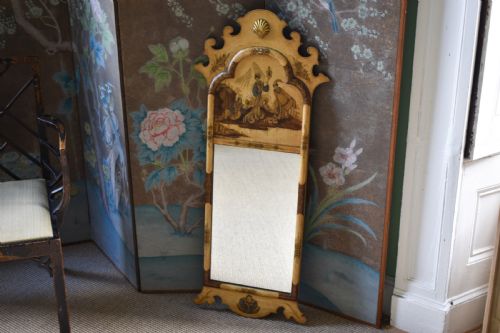
A queen anne gilt mirror combines the architectural proportions of the early eighteenth century with the warm reflection of antique glass. The selection ranges from original examples of the period to later nineteenth and twentieth century revivals.
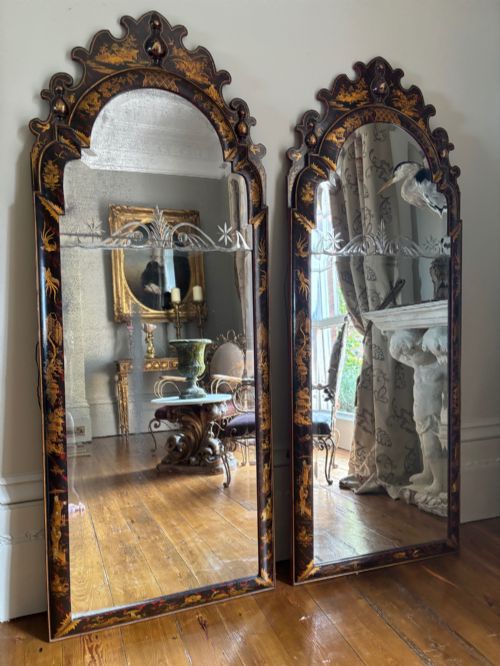
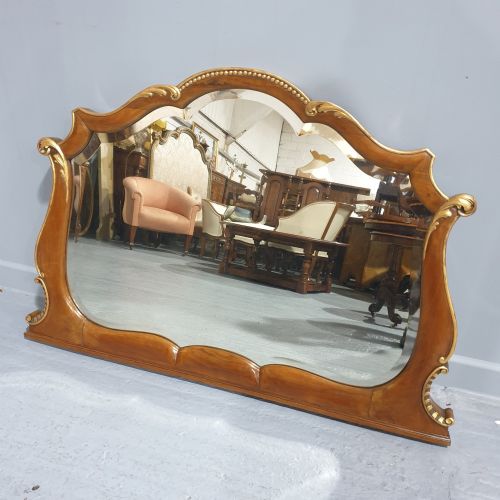
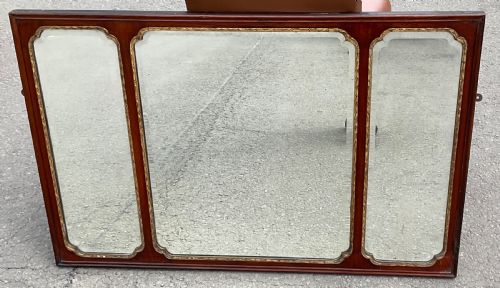
Most pieces seen here adopt the characteristic tall proportions designed to hang between windows as pier mirrors. Wall mirrors and overmantel formats also appear across the selection.
The aesthetic bridges austere walnut construction and rich gilding, often accompanied by japanned chinoiserie decoration in red or black lacquer.
Materials and construction
Frames employ timber foundations such as walnut and softwood, coated in gesso before receiving layers of gold leaf or paint. Giltwood and parcel gilt treatments highlight carved mouldings and scrollwork.
Mirrors utilise historic mirror glass plates, sometimes retaining original silvering that shows the mottled age of centuries. Lacquered pieces layer pigments over wood to create smooth chinoiserie panels.
Judging quality in execution
The distinction between tiers rests on the crispness of the carving and the integrity of the gilded surface. Hand-carved gesso details display sharp relief and fluid movement that mechanical or later copies lack.
Original mirror plates command attention for their depth and distortion, whereas replaced glass alters the historic character of the piece. The depth of the lacquer work and the fidelity of the chinoiserie motifs further separate standard production from master craftsmanship.
The Queen Anne Gilt Mirror Glossary
- Pier mirror
- A tall wall mirror designed specifically to hang on the wall space between two windows. These pieces often feature candle sconces beneath the glass.
- Parcel gilt
- A finishing technique where portions of a wooden or painted object are highlighted with gold leaf. This method leaves the underlying walnut or paint exposed elsewhere on the frame.
- Gesso
- A plaster mixture applied to wood frames as a smooth base for gilding or painting. Artisans carve fine decorative details directly into this hardened layer.
- Chinoiserie
- European artistic interpretations of Chinese and East Asian decorative motifs. These designs typically depict figures, pavilions and landscapes in lacquer.
- Overmantel mirror
- A wide horizontal mirror built to hang above a fireplace mantelpiece. They reflect light across the room from a prominent central position.
Queen Anne Gilt Mirror: Frequently Asked Questions
How do I hang a heavy mirror safely?
Heavy antique mirrors require robust fixings secured directly into wall studs or masonry rather than standard plasterboard anchors. Professional installers use integrated wire systems or heavy-duty strap hangers matched to the weight of the wooden frame.
Position the mirror at eye level to ensure correct balance within the room. This placement also protects the historic frame from accidental bumps by furniture.
Are original mirror plates clear?
Original antique glass plates display characteristic foxing, dark spots and subtle distortions caused by centuries of oxidation. These imperfections indicate age and authenticity rather than damage.
Modern replacement glass offers a sharper reflection but removes the historic patina prized by collectors. Most buyers prefer to keep original plates intact despite the loss of clarity.
How do I date an antique mirror?
Dating relies on examining the construction methods of the wooden frame, the bevel of the glass and the composition of the gesso. Eighteenth-century pieces show hand-cut joinery and heavy patination on the reverse.
Revival pieces from the nineteenth and twentieth centuries often feature machine-sawn timber and uniform modern backboards. Comparing these physical traits against documented period styles clarifies the age of the piece.