

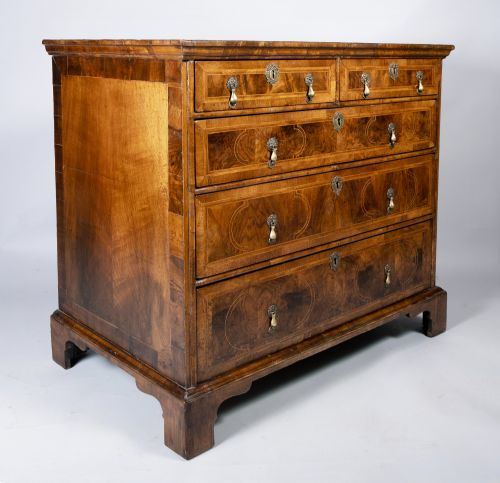


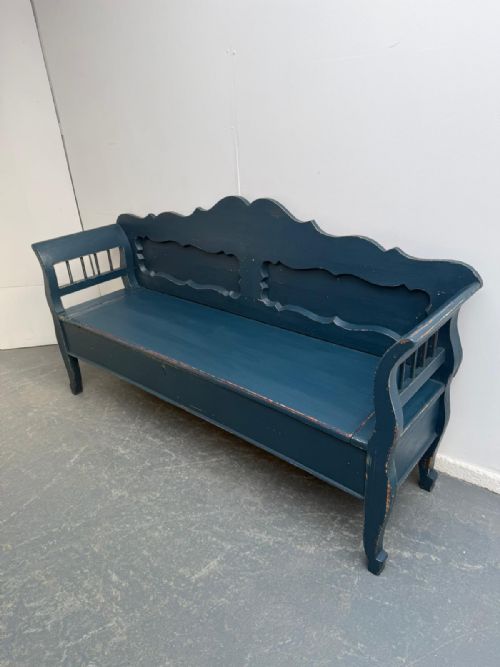


Early Georgian Coffer
An early georgian coffer offers sturdy timber construction and generous storage, bringing centuries of practical craftsmanship into a modern interior.
Early Georgian Coffer
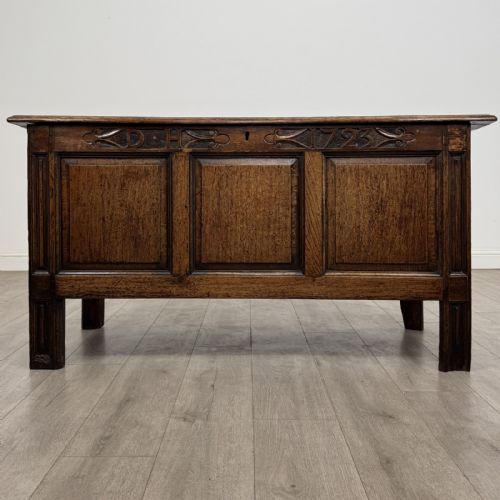
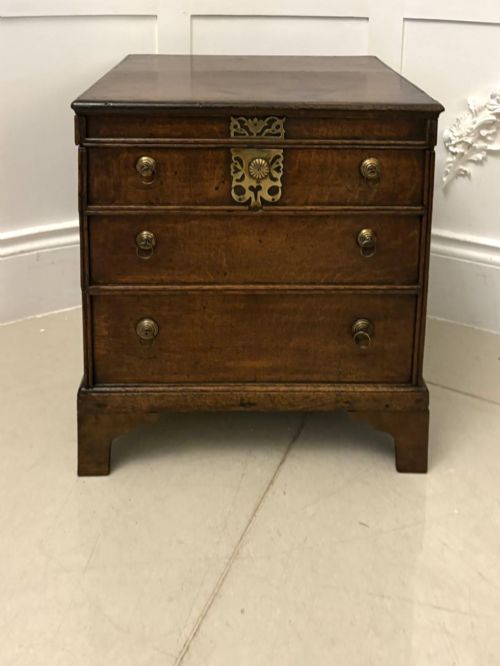
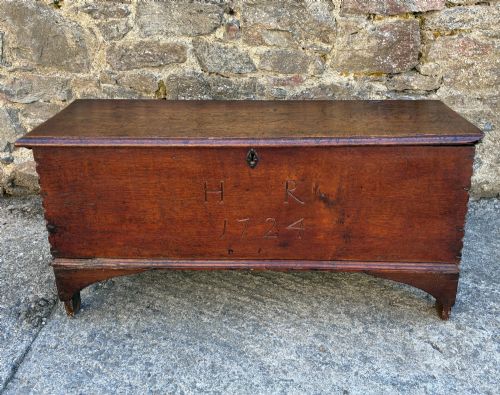
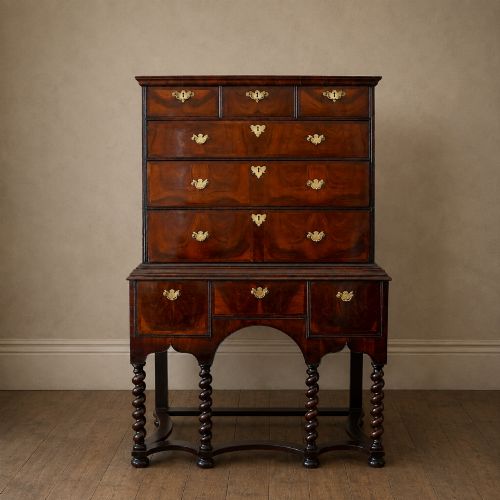
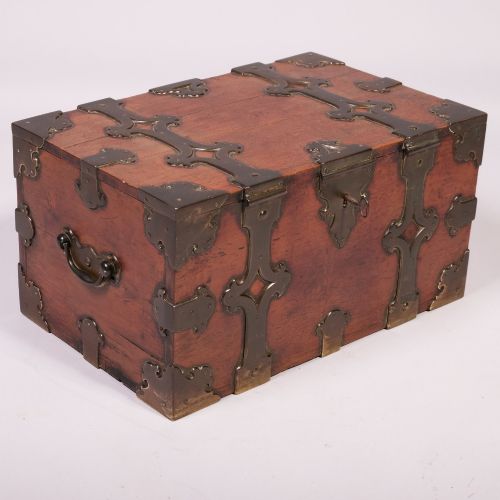
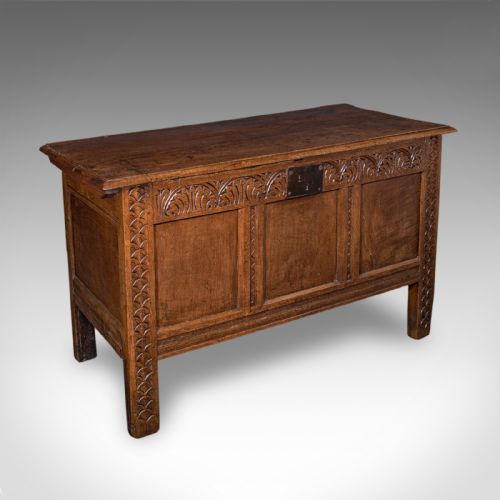
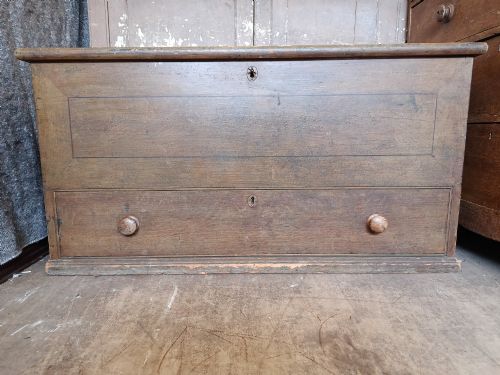
When searching for an early georgian coffer, buyers encounter robust storage furniture primarily constructed from solid oak during the early eighteenth century. These pieces range from simple panelled boxes and small coffer bach variants to mule chests fitted with lower drawers.
The domestic forms recorded in this tradition served multiple household functions, frequently acting as linen receptacles, blanket stores, or functional window seats. Regional British cabinet-making traditions heavily influence the surviving examples found today.
How they were made
Makers constructed these storage pieces using solid timber boards assembled with pegged joints, traditional joinery, and raised panelling. Iron hinges, brass mounts, and occasional inlay work provide structural reinforcement and decorative detail.
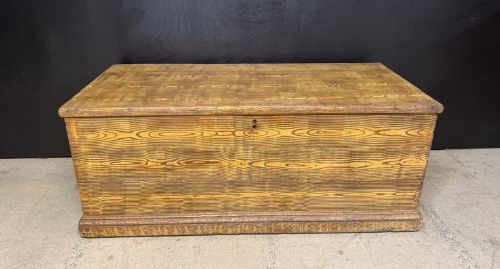
Surviving surfaces display historical treatments such as waxing, original paint, or carved detailing applied directly to the native woods.
Listings feature oak, walnut, pine, and mahogany chests spanning the seventeenth, eighteenth, and nineteenth centuries.
What varies in quality
The standard of an early storage chest depends upon the integrity of its timber construction and the preservation of its original surface patination. Superior examples retain their initial peg joints, unblemished board lids, and authentic brass or iron hardware without extensive modern alterations.
Finer items demonstrate careful proportions, refined carving, and harmonious integration of lower drawers in mule chest variants, distinguishing workshop-produced furniture from basic utilitarian boxes.
The Early Georgian Coffer Glossary
- Coffer
- A large wooden chest used historically for storing valuables, linen, or documents. These lidded boxes often feature heavy timber planks and robust joinery.
- Mule Chest
- A storage chest featuring one or more drawers built into the base beneath the main lidded compartment. This form bridges the traditional coffer and the modern chest of drawers.
- Coffer Bach
- A small Welsh box or chest, often raised on short feet or a stand. The term translates directly from Welsh as a little coffer.
- Peg Joined
- A method of securing timber joints using wooden dowels rather than metal nails. This traditional technique allows the wood to expand and contract naturally with humidity changes.
Early Georgian Coffer: Frequently Asked Questions
What is the difference between a coffer and a mule chest?
A standard coffer consists of a deep storage space accessed solely through a hinged lid on top. A mule chest incorporates one or more drawers beneath the main compartment.
This lower drawer addition allows access to stored items without needing to lift the heavy top lid.
How were these chests used historically?
Households utilised these heavy wooden chests primarily for storing textiles, woollens, and household linens away from dampness and pests. They also functioned as makeshift tables, benches, or secure repositories for important family documents.
In domestic spaces, their sturdy construction made them suitable for placement in hallways, bedrooms, or beneath bay windows.
How should I care for an oak coffer?
Maintain the timber by applying natural beeswax sparingly to preserve the aged surface finish and prevent the wood from drying out. Keep the piece away from direct heat sources and rapid humidity fluctuations to protect the antique joinery.
Allow air circulation around the timber and avoid placing damp items directly onto the interior wood surface.
How can I tell the period of a wooden chest?
Examine the construction methods, tool marks, and hardware types used to assemble the panels and hinges. Hand-cut peg joints, walnut veneers, or specific timber choices such as native oak help indicate eighteenth-century origin.
Inspect the backboards, interior bases, and general wear patterns to distinguish original period manufacture from later regional reproductions.