

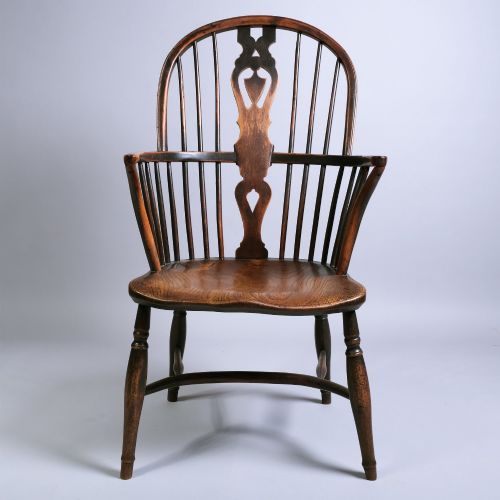
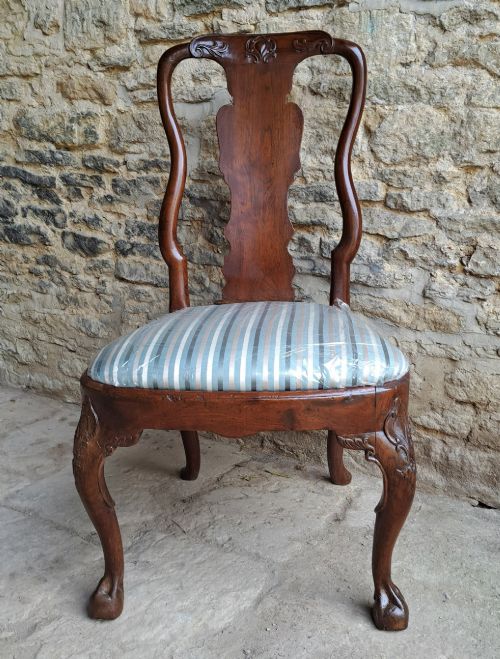
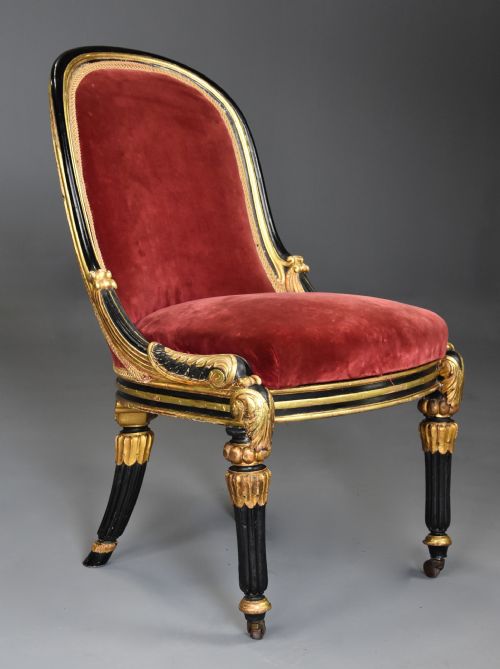
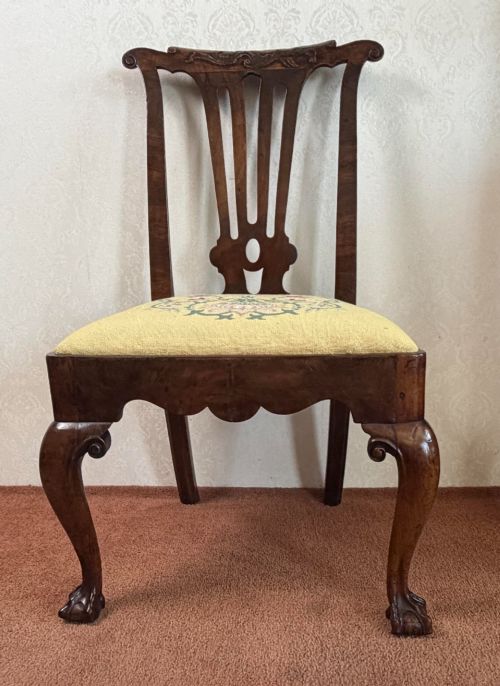


Early Georgian Accent Chair
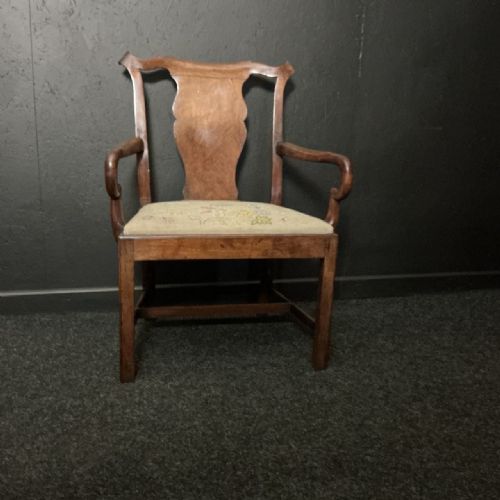
An early georgian accent chair brings walnut timber and upholstered seats into a room, offering period presence and practical seating.
Early Georgian Accent Chair
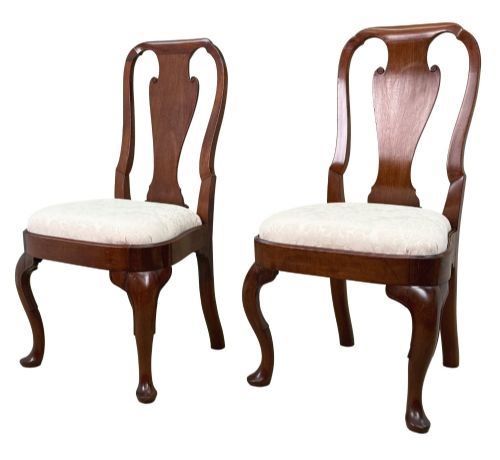
An early georgian accent chair encompasses side chairs, armchairs, and desk chairs originating primarily from the eighteenth century. Walnut and mahogany form the core of these seating options, often paired with drop-in seats or fabric upholstery.
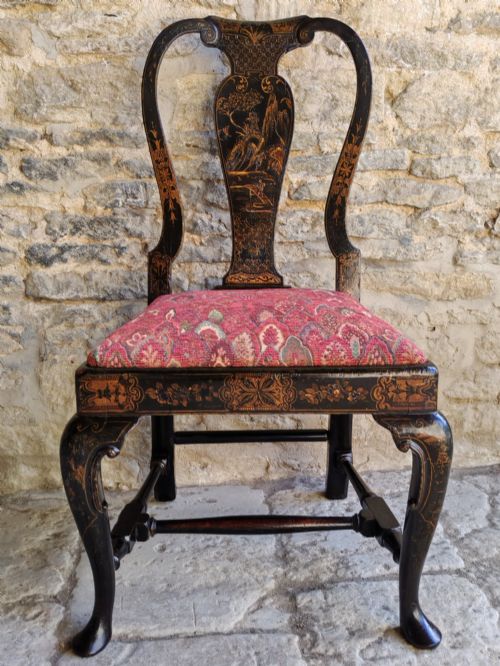
The selection ranges from Queen Anne and George I walnut designs to George II mahogany pieces and chinoiserie side chairs. Buyers also encounter nineteenth-century mahogany hall chairs and Windsor chairs sitting alongside the earlier forms.
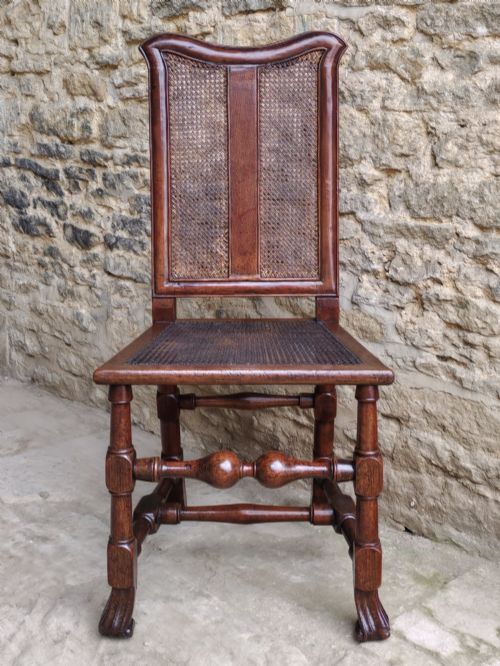
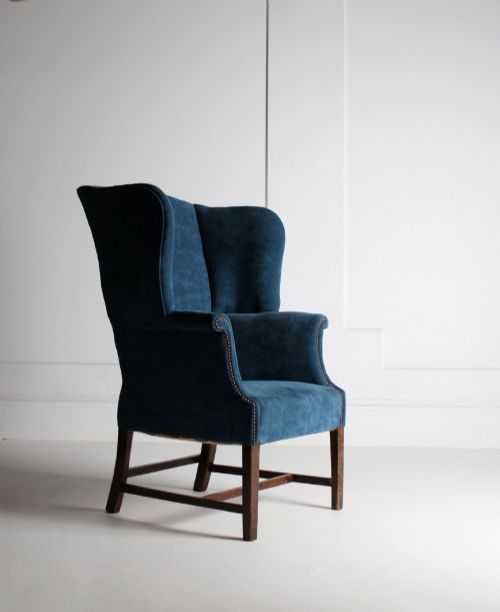
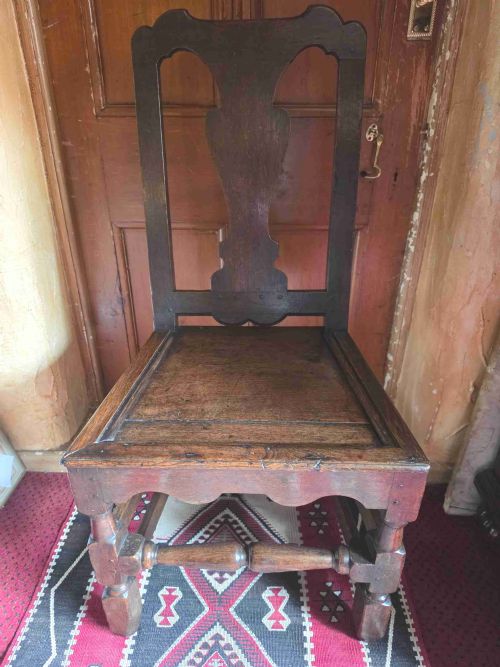
Makers shaped these chairs for domestic parlours and halls, using oak and yew alongside prime cabinet timbers. The forms include high-back chairs, wingback armchairs, and side chairs intended for accent placement in traditional interiors.
How they were made
Cabinetmakers utilised solid walnut and mahogany for the frames, carving details directly into the dense timbers. Joinery relied on mortise and tenon construction to ensure stability across side chairs and armchairs.
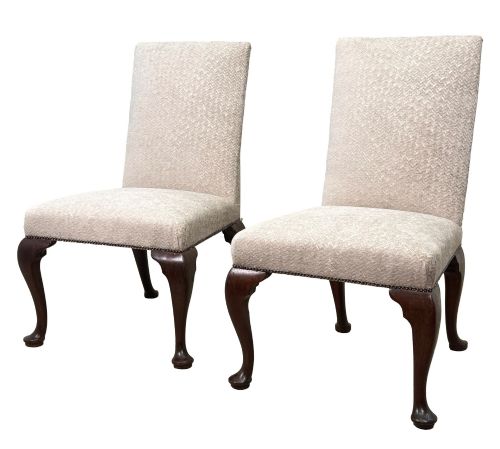
Upholstery involved drop-in seat frames padded and covered in textile, fabric, velvet, or tapestry. Brass elements and gilt finishes appeared on specific Regency and ebonised variations.
Early Georgian Accent Chair Retail Price Guide 2026
Typical asking prices for early georgian accent chair among the pieces listed under this phrase on Sellingantiques today, from the lower quarter to the upper quarter. They describe what is for sale here now, not the wider market.
Listings feature 18th century, 19th century, and Georgian periods alongside materials like walnut, mahogany, brass, tapestry, and velvet.
What varies in quality
The refinement of the carved details and the choice of primary timber dictate the standing of an early georgian accent chair. Figured walnut and dense mahogany command attention through grain pattern and execution of line.
Originality of the frame construction and the preservation of early surfaces distinguish superior examples. Retaining period upholstery materials or correct drop-in seat frames elevates the piece within its style category.
The Early Georgian Accent Chair Glossary
- Walnut
- A dense hardwood utilised extensively for cabinetmaking during the seventeenth and eighteenth centuries. Its rich grain made it the primary choice for early seating frames.
- Drop-in seat
- A removable wooden frame padded and covered in fabric that drops into the seat rails of a chair. This innovation allowed for easier reupholstering without dismantling the frame.
- Chinoiserie
- A decorative style reflecting Chinese artistic motifs applied to European furniture through lacquer and painted finishes. It appears on selected early eighteenth-century side chairs.
- Windsor chair
- A wooden seating form featuring turned legs and spindles socketed into a solid carved seat. Ash and yew frequently formed the construction of these country pieces.
Early Georgian Accent Chair: Frequently Asked Questions
Where did these chairs sit in a house?
An early georgian accent chair served primarily in reception rooms, parlours, and halls as occasional seating. Wealthy households placed them along walls or at desks.
Over time, owners moved these chairs into libraries and drawing rooms to complement other period furnishings.
How do I identify a George I chair?
George I pieces typically feature walnut frames with shaped splats and cabriole legs. These chairs date from the early eighteenth century and display restrained carving.
Makers of this period favoured proportion over excessive ornamentation, relying on the quality of the timber to provide visual weight.
Can I use an antique chair daily?
These chairs function well for occasional sitting when placed on level floors. Solid timber frames provide robust structural support after centuries of use.
Careful placement away from direct heat sources helps preserve the antique wood and any period upholstery.
What is a Gainsborough armchair?
A Gainsborough armchair is a wide, upholstered seat with open arms designed during the mid-eighteenth century. Mahogany frames support padded armrests and backrests.
Later interpretations in the twentieth century continued this classic Georgian proportions style.