


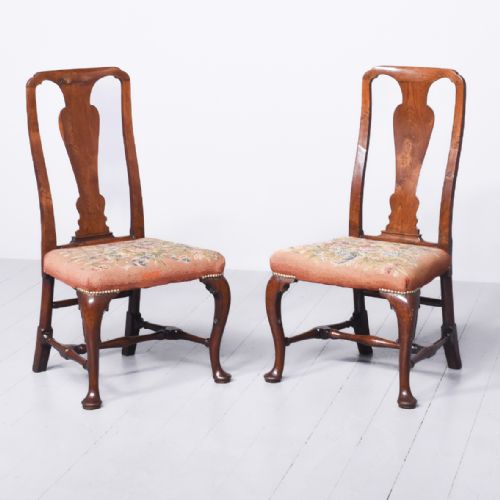


George II Dining Seat
A george ii dining seat brings substance to a room, offering robust timbers and classic proportions that suit period and modern interiors alike.
George II Dining Seat
When searching for a george ii dining seat, buyers encounter single chairs, pairs, and substantial sets originating from the Georgian era alongside later revival periods. The selections span dining chairs, side chairs, and armchairs configured to accommodate formal dining arrangements.
Most examples found in the current inventory date from the eighteenth century or stem from nineteenth and twentieth-century revival movements. These seating pieces reflect the distinct design vocabulary of the mid-eighteenth century, including cabriole legs and substantial frames.
Materials and construction methods
Cabinetmakers constructed these frames primarily using dense hardwoods such as mahogany and walnut, occasionally utilising burr walnut for figured grain patterns. These timbers provided the structural integrity required to support sweeping curves and substantial splats.
Upholstery elements integrate traditional textiles including tapestry, velvet, and various fabrics secured over drop-in or padded seat frames. Brass details sometimes appear on castors or decorative hardware accompanying the woodwork.
George II Dining Seat Retail Price Guide 2026
Typical asking prices for george ii dining seat among the pieces listed under this phrase on Sellingantiques today, from the lower quarter to the upper quarter. They describe what is for sale here now, not the wider market.
One unusual survivor in the collection is recorded specifically as a hand chair, offering an unexpected sculptural form among the conventional dining seats.
Factors influencing quality
The degree of hand-carving intricacy across the splats, knees, and rail mouldings distinguishes standard production from exceptional examples. Crisp execution of shell motifs and scrollwork demonstrates superior workshop skill.
Originality of timber and surface patination dictate the desirability of a piece. Retaining the primary timber with minimal structural intervention preserves the historical integrity prized by collectors.
Robert Strahan Dublin
The George II Dining Seat Glossary
- Cabriole leg
- A furniture leg that curves outward at the knee and tapers inward toward the foot, mimicking animal limbs. This form dominated mid-eighteenth-century seating design.
- Drop-in seat
- A removable seat frame upholstered separately and dropped into a recess in the chair rail. It allows for straightforward reupholstering without dismantling the main structure.
- Splat
- The vertical wooden strip down the middle of a chair back. George II examples frequently feature solid vase-shaped or pierced designs.
- Revival
- A stylistic movement in later centuries, such as the nineteenth or twentieth century, reproducing earlier historical designs. These pieces emulate eighteenth-century aesthetics using period-appropriate timber.
George II Dining Seat: Frequently Asked Questions
Are these chairs suitable for daily use?
Solid mahogany and walnut construction provides the robust structural foundation necessary for regular seating. Many examples have survived centuries of use by virtue of their sturdy joinery.
Ensure that frame joints remain tight and upholstered drop-in seats are stable before placing them into heavy daily rotation around a dining table.
What is the difference between original and revival pieces?
Eighteenth-century originals carry the authentic age, wear patterns, and timber patination accrued over centuries of use. Revival pieces, built during the nineteenth or twentieth centuries, emulate these exact styles using period machinery or traditional hand tools.
Both categories offer historical presence, though original pieces from the seventeen-fifties command distinct interest from specialist collectors.
How should I care for antique upholstery?
Protect delicate textiles like tapestry and velvet from direct sunlight to prevent fibre degradation and colour fading. Regular gentle dusting keeps particulate matter from embedding in the weave.
Consult a specialist conservator if the underlying webbing or padding requires reinforcement to maintain the correct seating height and tension.