
Early English Glass
Early english glass brings tangible weight and historic character to a room through centuries of refined domestic vessel manufacture.
Early English Glass
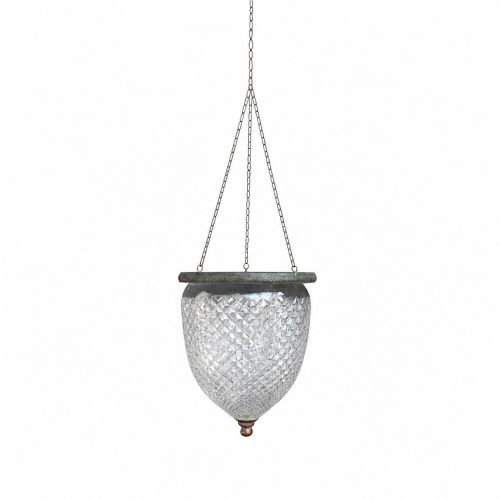
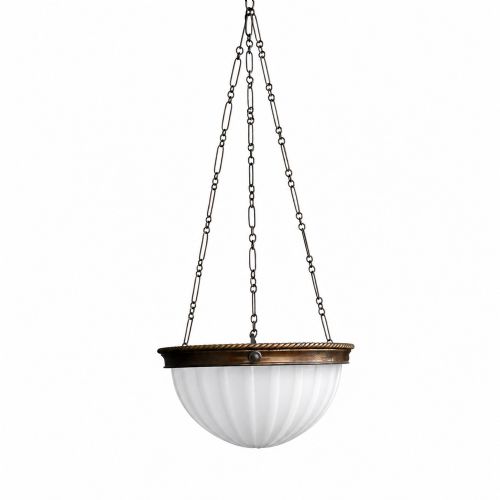
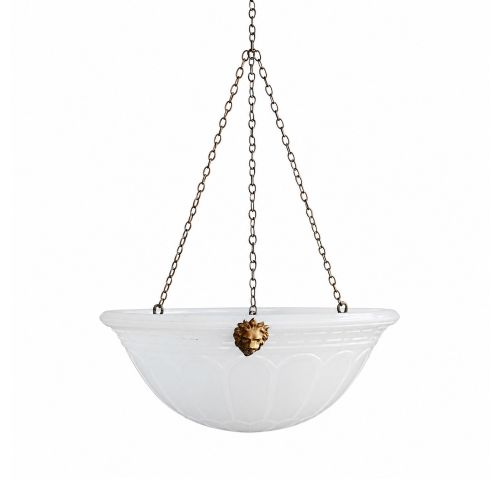
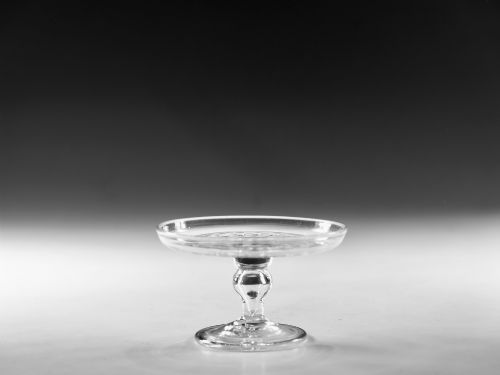
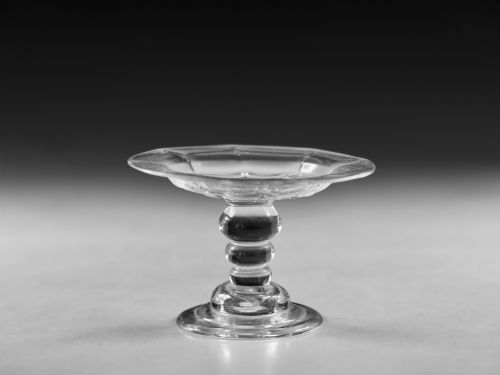
Early english glass encompasses drinking vessels, decanters, lighting fixtures, and decorative objects spanning from the 18th century through the Edwardian period.
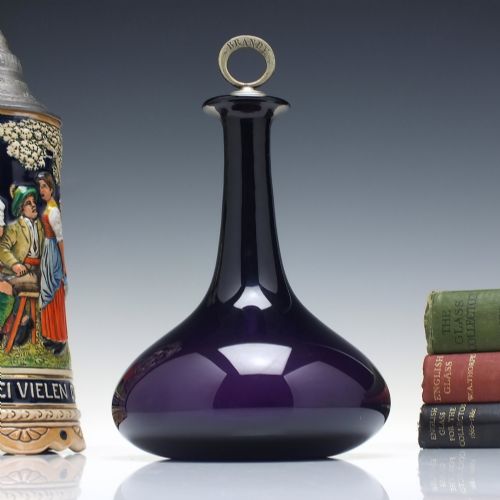
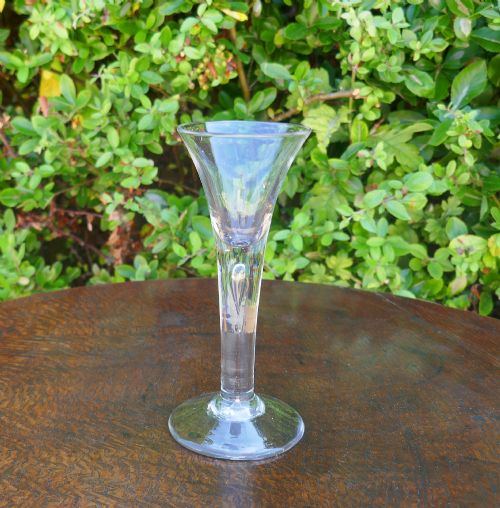
The selections most frequently encountered include Georgian wine glasses featuring balustroid stems, moulded rummers, and cut glassware from later Victorian eras.
Vessels range from utilitarian tavern pieces to delicate baluster goblets and lead crystal tablewares designed for wealthy households.
How they were made
Craftsmen relied heavily on lead glass and flint glass formulations, which imparted high refractive brilliance and substantial physical weight to the finished vessels.
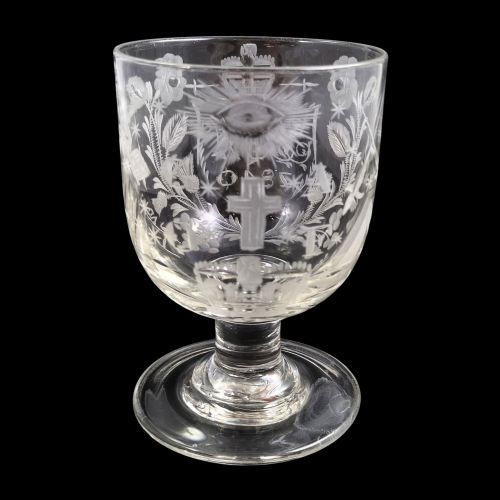
Techniques involved free-blowing, moulding, and wheel-engraving, often complemented by specialised treatments like air bubbles in stems or folded feet for structural stability.
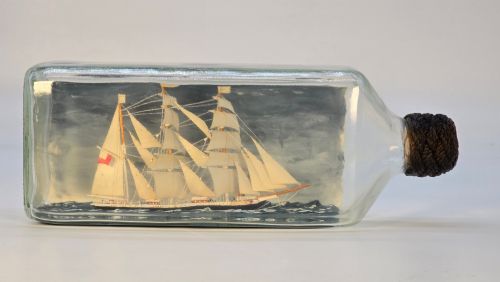
A diorama ship floats silently inside a sealed bottle.
What varies in quality
Quality rests upon the clarity of the metal, the precision of wheel-engraved details, and the proportional harmony achieved by the glassblower.
Subtle traits such as an unblemished metal surface, a well-formed folded foot, and balanced optical effects separate exceptional examples from standard utilitarian wares.
Smiths of London·Luisetti of London
The Early English Glass Glossary
- Baluster
- A heavy, swelling stem form reminiscent of architectural balusters, common in 18th-century wine glasses. It provides a tactile grip and considerable heft.
- Rummer
- A large, sturdy drinking glass popular in the 18th and 19th centuries, frequently used for ale, wine, or punch. These vessels often exhibit engraved nautical or personal motifs.
- Folded foot
- A rim turned underneath the base of a glass during formation to strengthen the edge against chipping. This technique is a reliable indicator of earlier manufacturing methods.
- Wrythen
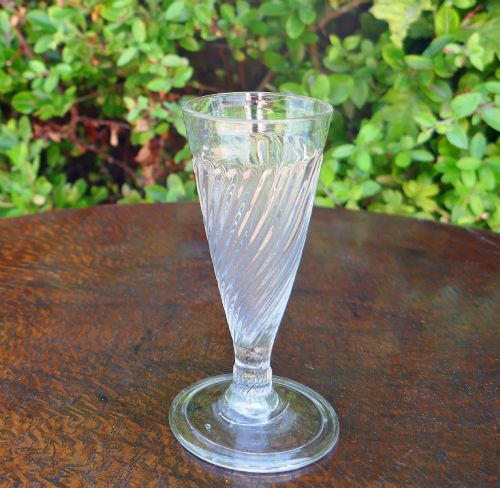
- A decorative spiral pattern moulded into the body of a glass vessel while hot. It catches ambient light dynamically across the surface.
Early English Glass: Frequently Asked Questions
What is lead glass?
Lead glass contains a significant percentage of lead oxide introduced into the batch during melting, which increases density and brilliance.
This composition allows craftsmen to cut deeper facets and achieve superior light refraction compared to standard soda-lime glass.
How were rummers used?
Rummers served as robust drinking vessels for hearty beverages like ale, porter, or punch in domestic and tavern settings.
Their generous capacity and sturdy proportions made them well-suited for communal toasts and everyday dining tables.
Where should I place these pieces?
Display these items on sturdy wooden surfaces near natural light sources to emphasise their clarity and engraved decorative details.
Avoid high-traffic zones or unstable shelves to protect fragile historic forms from accidental knocks.