




Early Century Candlestick
An early century candlestick brings functional illumination and sculptural weight to a room, spanning periods from seventeenth-century brass to twentieth-century gilt metal.
Early Century Candlestick
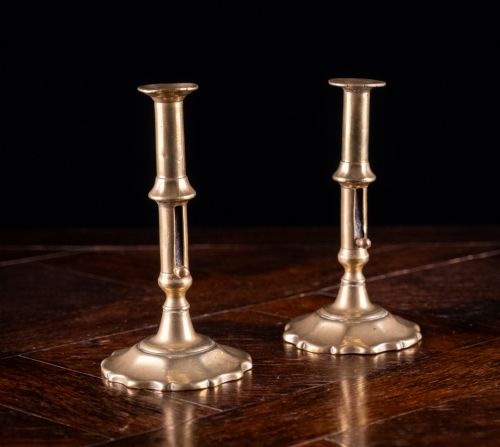
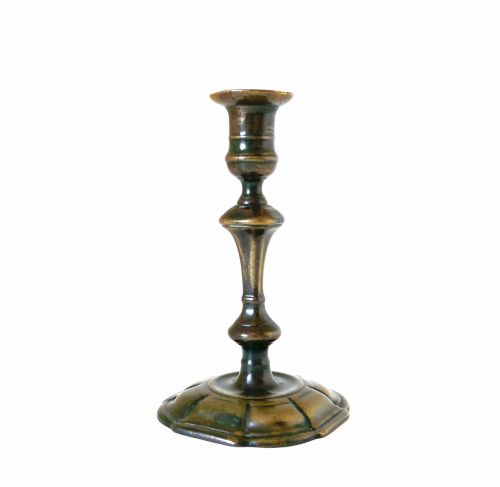
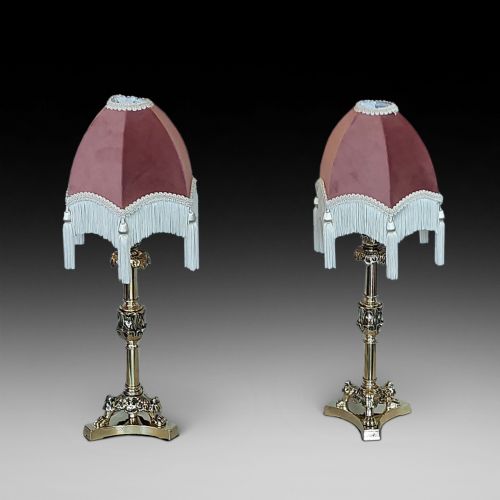
An early century candlestick selection encompasses lighting devices spanning multiple eras, predominantly featuring eighteenth and nineteenth-century examples alongside early twentieth-century designs. Buyers encounter various forms including standard candlesticks, chambersticks, candelabra, and pieces later converted into table lamps.
The materials reflect the prevailing manufacturing capabilities of their respective periods, ranging from cast and seamed brass to bronze, ormolu, silver plate, and carved wood. Formats extend from simple seventeenth-century heavy bases to ornate Regency and Amsterdam School creations.
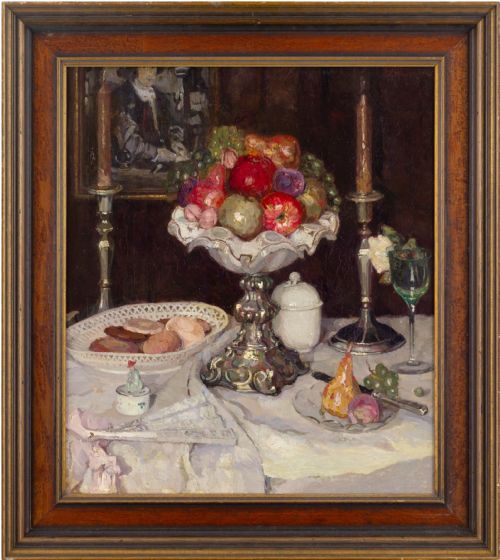
Origins stretch across English, French, Swedish, and Italian workshops, displaying stylistic influences from Baroque Revival, Empire, and Queen Anne traditions. Many listings comprise matched pairs alongside single functional pieces and associated oil paintings.
Materials and Construction Techniques
Metalwork forms the core of these items, utilising cast brass, bell metal, and bronze that were frequently shaped using seaming methods and lathe turning. Gilt bronze and ormolu introduce applied surface decoration, while silver plating provides a reflective finish over base metals.
Wooden examples rely on seasoned timber such as walnut and mahogany, shaped through turning and hand-carving to achieve spiral twists or altar-style silhouettes. Iron work utilises blacksmithing techniques for rushlights and pricket supports.
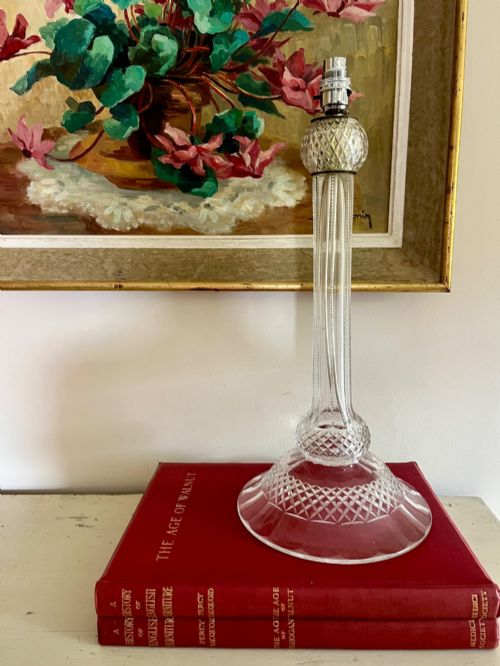
Decorative glass and crystal components appear in later pieces, paired with metal mounts to secure candle sockets or electric fittings.
Lighting the room with carved wooden snakes adds an unexpected twist to evening routines.
Distinctions in Quality
The integrity of casting separates superior metal examples from standard production, visible in the crispness of moulded details and the weight of solid brass or bell metal. Heavy gauge construction ensures structural stability, whereas thinner components lack substance.
Surface patination reveals age and handling history, where untouched oxidation and original gilding indicate superior preservation compared to over-cleaned or stripped surfaces. Hand-finished turned wooden pieces display precision in balance and symmetry.
Maker attribution and original components elevate certain items, particularly when threading, ejector mechanisms, or sconces remain entirely intact without replacement parts.
William Tonks·Thomas Hope·Else Preußner·Minton
The Early Century Candlestick Glossary
- Heemskerk
- An early type of brass candlestick characterised by a heavy bell-shaped base and a distinct drip pan positioned midway up the stem. These Dutch-influenced pieces date predominantly to the late seventeenth and early eighteenth centuries.
- Bell metal
- An alloy of copper and tin utilised for durability and resonant sound quality in cast metal candlesticks. This dense material allows for sharp, enduring surface details during the moulding process.
- Ejector
- A concealed internal mechanism operated by a thumbpiece on the side of the socket to push out remaining candle stubs. This functional addition is frequently found on eighteenth-century brass designs.
- Ormolu
- Finely ground high-carat gold applied to a bronze base through a mercury amalgamation process. This technique imparts a rich, lasting metallic lustre seen on Regency and Empire pieces.
- Pricket
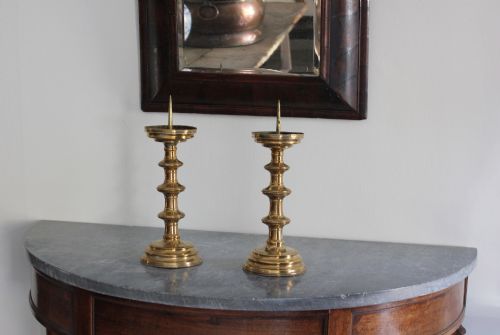
- A sharp metal spike set in the drip pan to secure thick church candles or tapers rather than a standard socket. These are commonly encountered on ecclesiastical and Amsterdam School pieces.
- Rat de cave
- A low-profile chamber candlestick designed to sit stably on stone cellars or floors while carrying short tallow dips. The compact form protects the flame from low draughts.
Early Century Candlestick: Frequently Asked Questions
How do I date an early brass candlestick?
Dating relies heavily on manufacturing methods, such as the transition from solid cast bases to multi-component seamed construction during the eighteenth century. Tool marks, base profiles, and the presence of ejector mechanisms also provide clear chronological markers.
Changes in stylistic proportions, from seventeenth-century baluster stems to neoclassical columns, help narrow the period of origin when hallmarks or maker marks are absent.
What is a chamberstick and how was it used?
A chamberstick is a low-profile candlestick fitted with a wide drip pan and a loop handle, designed to be carried safely through dark hallways at night. The broad saucer caught falling wax while the user moved between rooms.
Many featured a conical snuffer resting in the pan to extinguish the flame upon reaching the destination bedroom.
Can converted electric lamp candlesticks be restored?
Most conversions involve running internal wiring through the original central bore or securing lamp fittings to the top socket without altering the primary metal structure. Restorers can remove electrical components to return the item to its original candle-holding function.
Evaluating the wiring method determines whether the conversion caused permanent alterations to the historic metal or wood.
How should antique metal candlesticks be cleaned?
Preserving the historical patination requires avoiding harsh chemical dips or abrasive metal polishes that strip away centuries of oxidation. Gentle dusting with a soft cloth is sufficient for regular maintenance.
Applying microcrystalline wax provides a protective barrier against moisture without harming the underlying brass, bronze, or silver plate.