
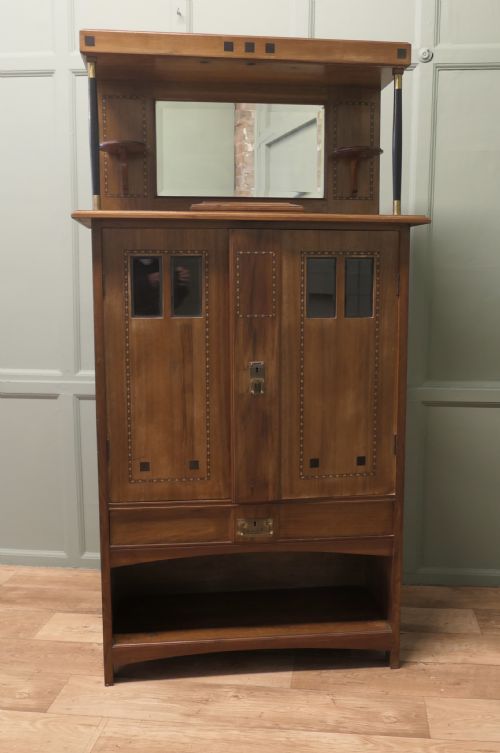
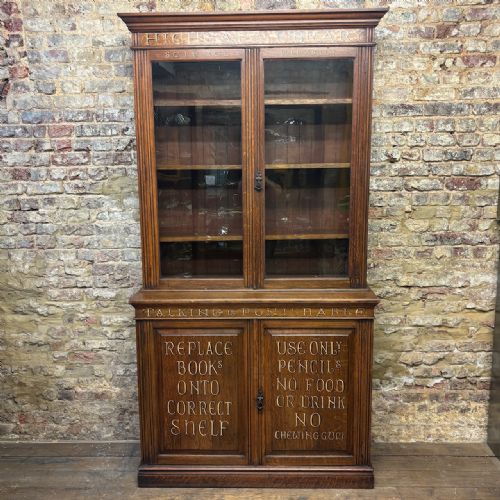
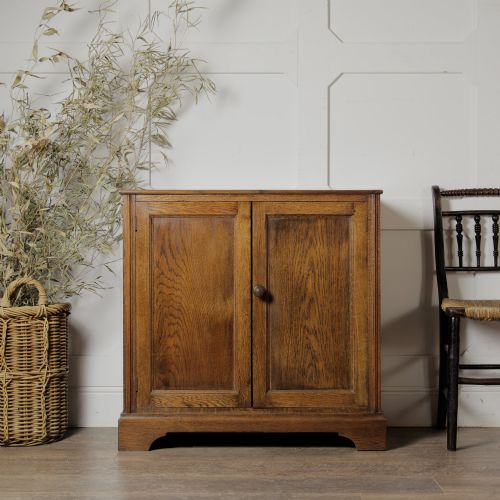
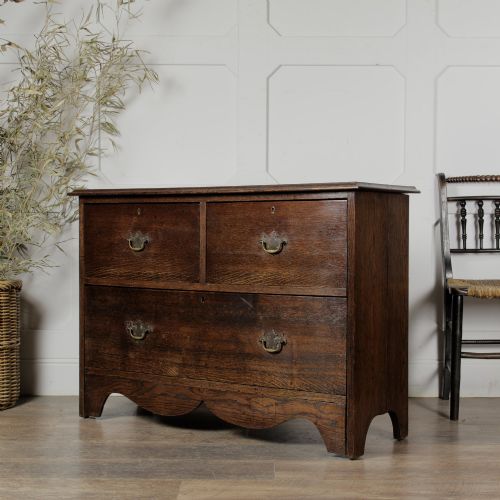
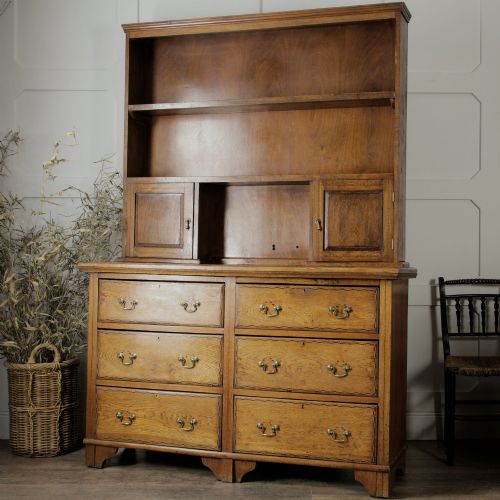
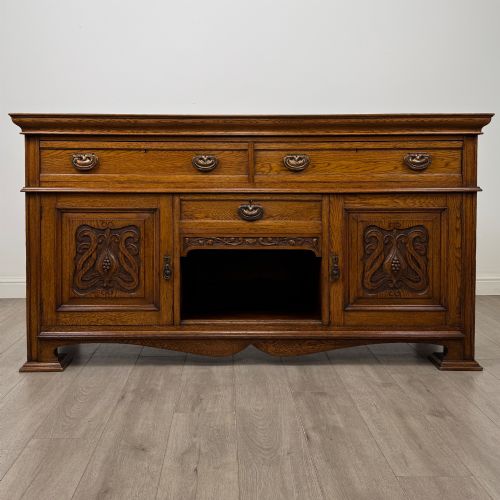
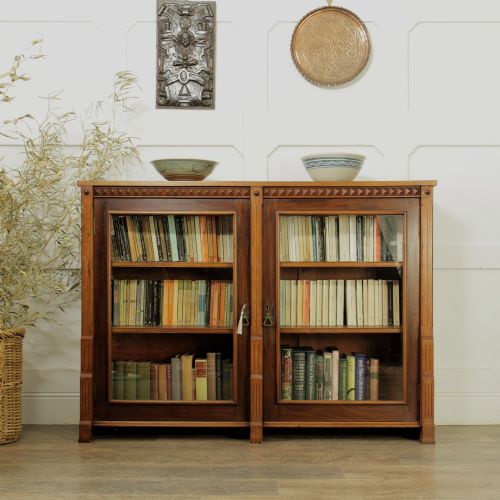
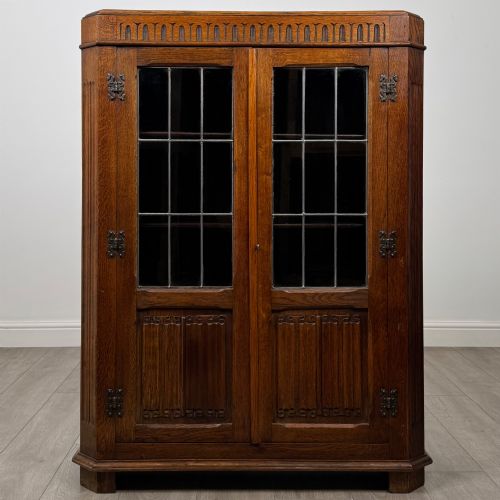

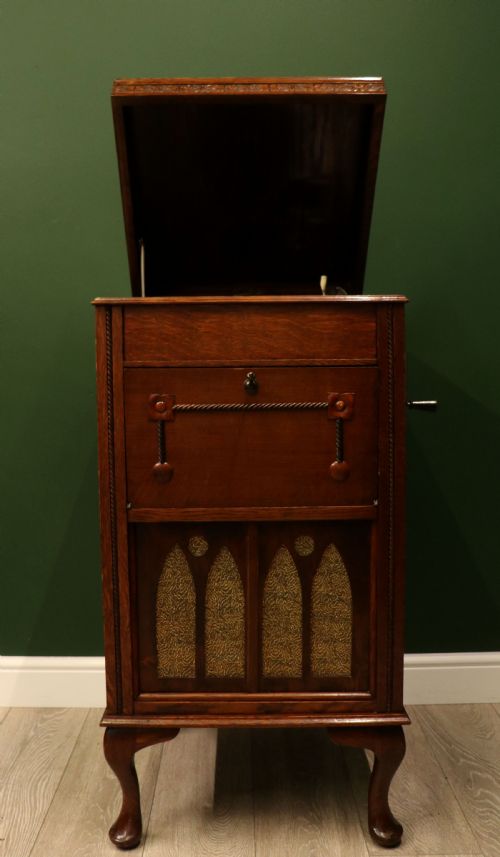


Early 20th Century Oak Cabinet
An early 20th century oak cabinet brings dependable utility and honest period character to modern interiors through solid timber construction.
Early 20th Century Oak Cabinet
An early 20th century oak cabinet encompasses a wide range of utilitarian and display forms designed for domestic, commercial, and institutional interiors. Buyers seeking this phrase encounter everything from glazed library bookcases and shop display counters to office filing systems and cocktail units.
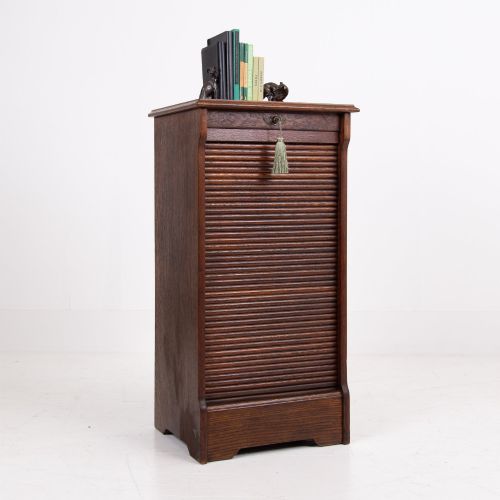
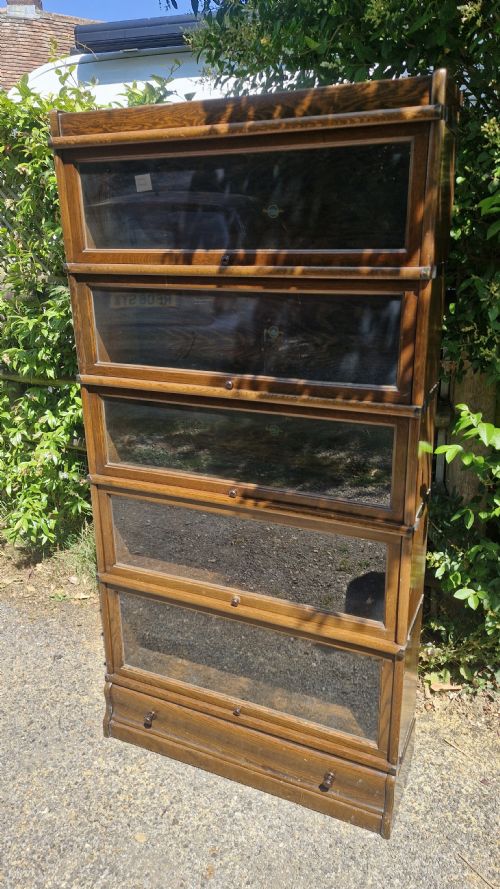
The most frequent variations on this page include glazed bookcases, tambour-front office furniture, and countertop display cases intended for retail use. These pieces reflect a period when cabinetry balanced functional storage with straightforward decorative motifs.
Origins span British provincial workshops, Edwardian parlours, and commercial spaces, utilising durable timber suited to heavy everyday use. Such pieces integrate easily into contemporary rooms requiring functional storage with authentic period presence.
Materials and Method
Construction relies predominantly on solid oak, selected for its strength, durability, and distinct grain patterns that accept various finishes from honey tones to dark revival stains. Cabinet makers combined traditional joinery with emerging industrial techniques to produce robust frames capable of withstanding daily office or domestic demands.
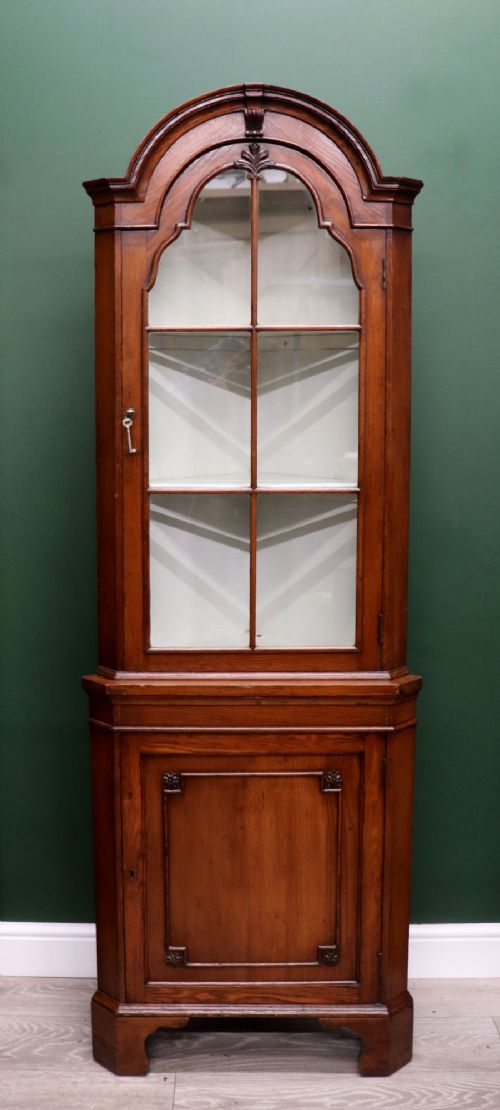
Hardware elements such as brass handles, iron brackets, and copper fittings provide functional contrast to the timber bodies. Glazed sections frequently incorporate glass panels held by wooden glazing bars, whilst specialised pieces utilise flexible tambour slats running in hidden grooves.
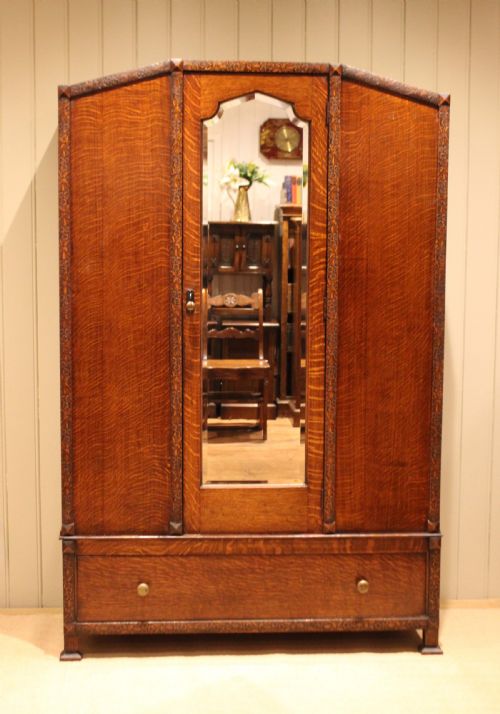
Secondary materials include mirror glass, lead cames for decorative window panels, and metal mechanisms found within sectional stacking bookcases and filing systems. These components were engineered for longevity and practical utility in commercial and domestic settings.
Listings feature oak cabinets spanning from the Edwardian era through the 1950s, incorporating brass, lead, copper, and glass elements.
Distinction in Craft
Quality in these cabinets rests upon the selection of timber, the integrity of the joinery, and the retention of original hardware. Superior examples feature well-figured oak boards, sound structural framing, and working mechanisms such as smooth-running tambour doors or original locks and keys.
Commercial provenance and specialised functions also influence standing, particularly where pieces retain period shop signage, specialised haberdashery drawers, or branded glass. Altered surfaces or replaced components differentiate standard utility items from well-preserved collector examples.
U Phone of Leeds
The Early 20th Century Oak Cabinet Glossary
- Tambour door
- A flexible door composed of narrow wooden slats glued to a canvas backing, allowing it to slide smoothly around a curved track in office and filing cabinets.
- Globe Wernicke
- A modular, stacking barrister bookcase system featuring glazed lifting doors that push back into the recess above each individual shelf tier.
- Court cupboard
- A traditional enclosed storage piece featuring a recessed upper section supported by pillars or corbels above a wider lower cabinet base.
- Leaded glass
- Individual panes of glass assembled using lead cames to form geometric or decorative panels within cabinet doors.
- Arts and Crafts
- A design movement emphasising handcraftsmanship, simple structural forms, and natural materials over mass-produced ornamentation.
Early 20th Century Oak Cabinet: Frequently Asked Questions
How were tambour cabinets used?
Tambour door cabinets served primarily in offices and libraries to secure documents, stationery, and books efficiently in confined spaces.
The sliding slat mechanism allowed quick access to contents without requiring clearance for swinging doors.
Can I use a shop display cabinet at home?
Countertop and floor-standing display units adapt well to residential interiors for showcasing collections, glassware, or books.
Their glazed panels and sturdy frames bring practical visibility and period charm to living rooms or kitchens.
How do I distinguish Edwardian oak from later styles?
Edwardian and early period pieces frequently display Arts and Crafts influences, Jacobean revival carvings, or honest pegged joinery.
Later commercial variations tend toward simpler lines, standardised office hardware, and lighter finishes.