




Early 20th Century Globe
An early 20th century globe brings tangible geography and period cartography into a room, offering a tactile link to the geographical understanding of the Edwardian era and the interwar decades.
Early 20th Century Globe
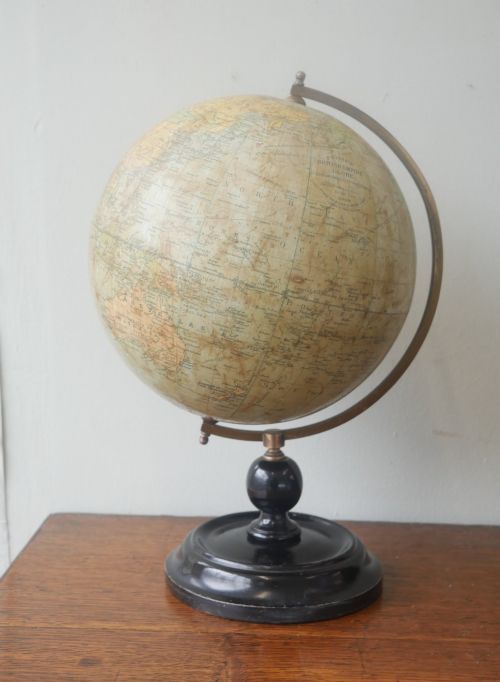
An early 20th century globe typically manifests as a terrestrial table model, a standing library piece, or a geographical lighting fixture produced during the Edwardian period through to the 1930s. These pieces include educational classroom globes, detailed cartographic reference spheres, and spherical glass light shades.
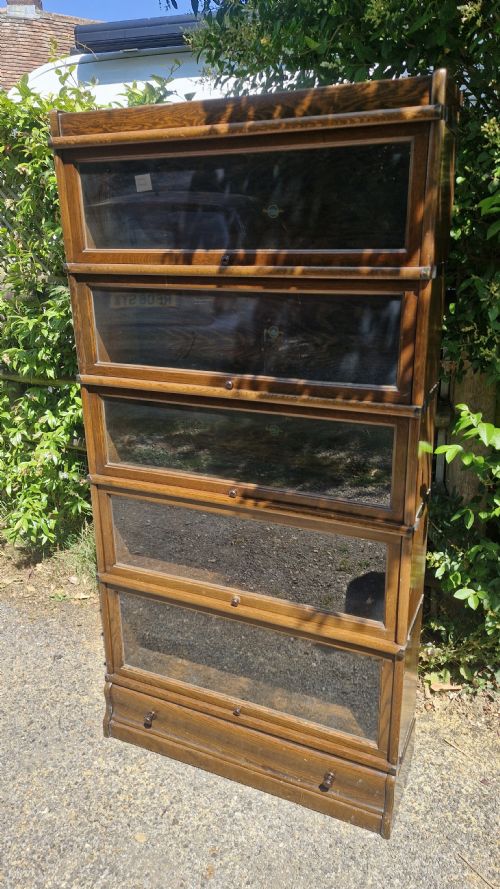
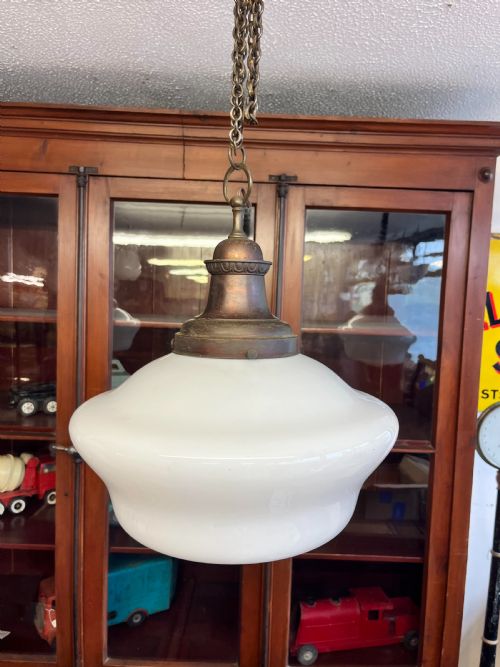
The most common versions encountered here are terrestrial table globes bearing historical cartography and oak sectional bookcases, alongside globe-shaped glass pendant lights and wall fixtures. Makers and publishers of the era mapped changing imperial borders, creating distinct snapshots of the world as it was understood before mid-century conflicts altered boundaries.
Buyers also encounter related desk furniture and specialised stands designed specifically to house geographical volumes and cartographic equipment. Each form reflects the domestic and institutional priorities of the period, balancing practical utility with decorative presence.
Materials and construction methods
Cartographers printed maps onto paper gores, which artisans then meticulously hand-applied to plaster or papier-mâché spheres to create the seamless spherical surface of a terrestrial globe. Supporting frames and mountings utilised brass, ebonised wood, and cast iron, often accompanied by bakelite bases in later decades.
Furniture and structural housings relied on solid oak and mahogany, particularly seen in modular sectional bookcase systems utilising patented hardware. Lighting variants incorporated opaline glass, opaque glass, and prismatic glass formed into distinct globes and pendant shades, suspended from brass or metal fittings.
Cartographers frequently updated geographical boundaries by hand-pasting tiny paper correction slips directly over outdated country names.
Distinctions in quality
The standard of an early 20th century globe rests upon the crispness of its lithographic printing and the geopolitical accuracy maintained across the paper gores. Hand-applied paper layers that sit flush without tearing or significant misalignment demonstrate superior craftsmanship.
Structural integrity in the accompanying stands and furniture determines the higher tier of examples, separating mass-produced educational items from fine library pieces. Original hardware, intact brass meridians, and undamaged glass shades elevate the standing of any piece within this category.
Phillips·Globe Wernicke·Geographia·G.Thomas·Jordglob·E.J. Arnold & Sons Ltd.
The Early 20th Century Globe Glossary
- Gores
- The paper segments, typically shaped like elongated triangles, printed with cartographic details and pasted onto a sphere to form a complete map of the globe. Precise alignment of these edges indicates skilled manufacturing.
- Globe Wernicke
- A proprietary system of modular, stackable sectional bookcases featuring glazed doors that lift and slide inward. These cabinets were widely adopted for housing libraries and reference volumes.
- Opaline Glass
- A milky, translucent glass variant used extensively for spherical light shades and globes during the period. It diffuses light softly while retaining a distinct porcelain-like appearance.
- Terrestrial
- A globe that depicts the earth's landmasses and oceans, as opposed to a celestial globe which maps the stars and constellations. These serve as historical records of past geopolitical borders.
Early 20th Century Globe: Frequently Asked Questions
How do I date an early 20th century globe?
Dating relies primarily on the geopolitical boundaries printed upon the map itself, as shifting national borders and renamed cities provide a precise terminus post quem. Comparing the listed cartographic details with historical records often narrows the production year to a specific decade.
Makers' marks, paper labels applied to the base or meridian, and the materials used for the stand also offer clear chronological indicators. Oak frames and brass hardware align with Edwardian and 1920s manufacturing standards.
Were these globes used in schools or libraries?
Examples span both institutional classrooms and domestic libraries, reflecting a wide range of educational and decorative applications. Educational table globes served instructional purposes, whereas larger library globes on heavy stands were designed for affluent studies and offices.
Lighting variants and globe-shaped pendant fixtures were installed in institutional corridors, chapels, and domestic halls. Their dual function as light sources and decorative spheres made them popular across various public and private spaces.
How should I care for a paper globe?
Paper globes require placement away from direct sunlight and excessive humidity to prevent the paper gores from fading, yellowing, or lifting off the plaster sphere. Gentle dusting with a dry, soft cloth is sufficient for routine maintenance.
Avoid using liquid cleaners or damp cloths on the printed surface, as moisture can dissolve the historic adhesives beneath the paper gores. Maintaining a stable indoor climate preserves the structural integrity of both the paper map and the wooden base.