






Early 19th Century Miniatures
Early 19th century miniatures bring intimate likenesses and small-scale craftsmanship into the hand, offering a direct window into Georgian and Regency life.
Early 19th Century Miniatures
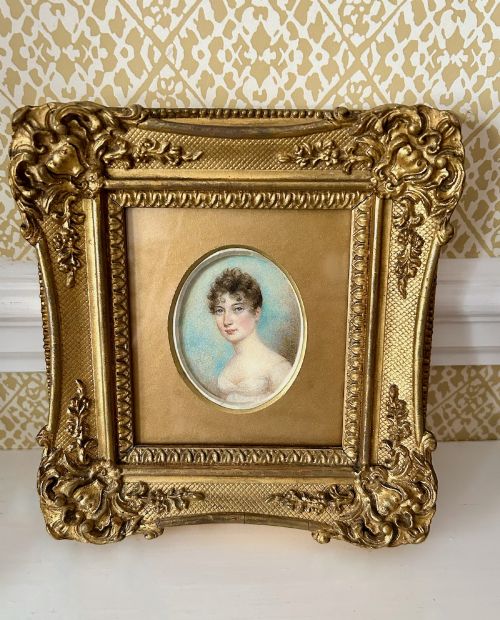
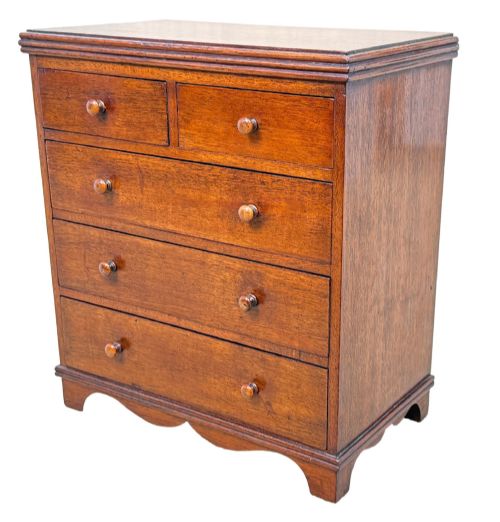
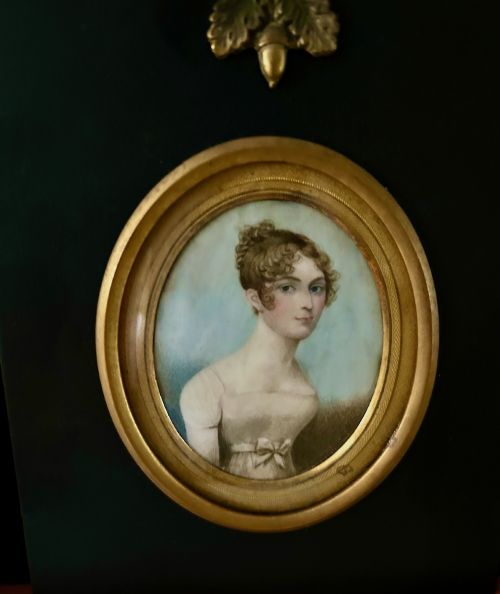
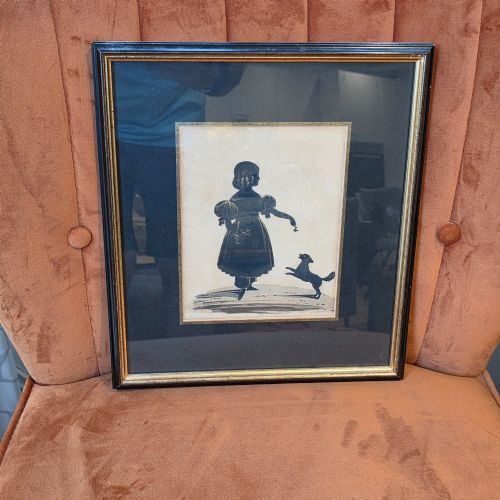
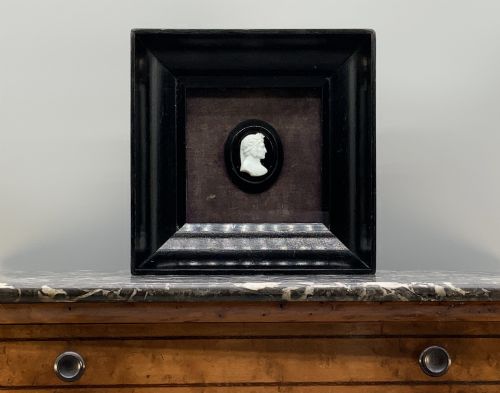
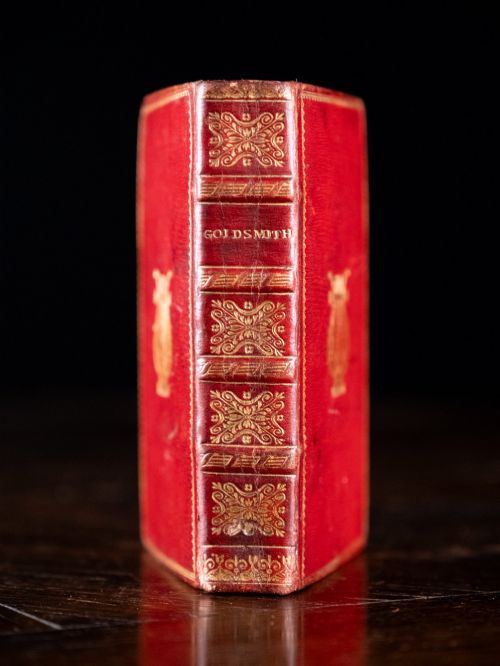
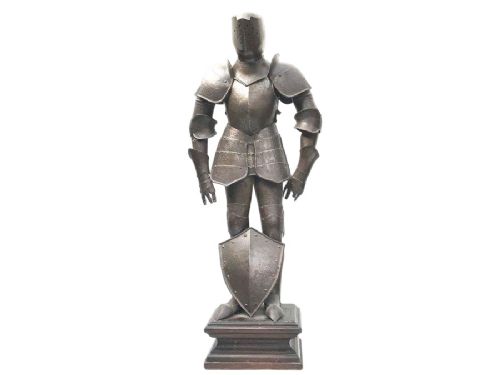
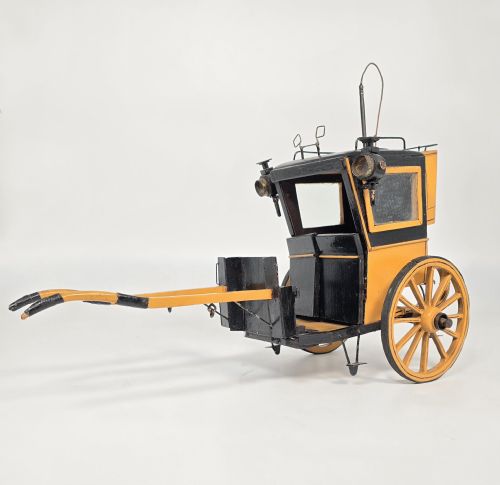
Early 19th century miniatures encompass a diverse array of small-scale objects, ranging from delicate portrait paintings on paper and ivory to cut paper silhouettes and miniature furniture such as chests of drawers and rocking chairs.
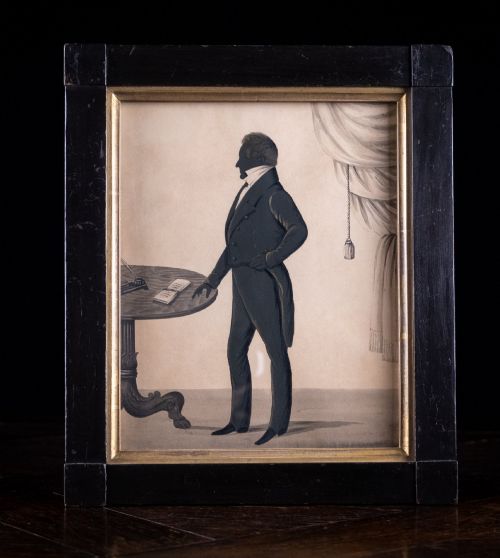
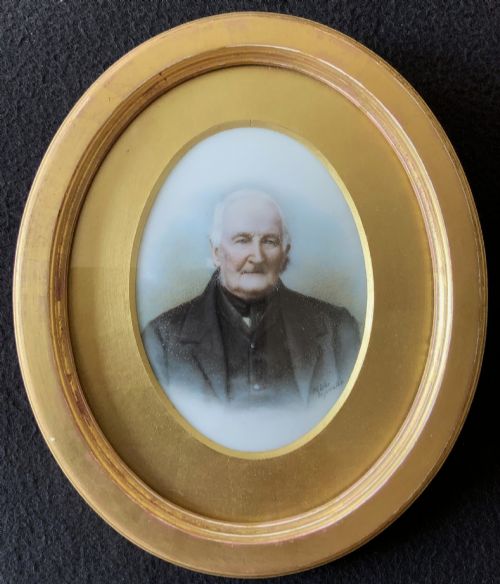
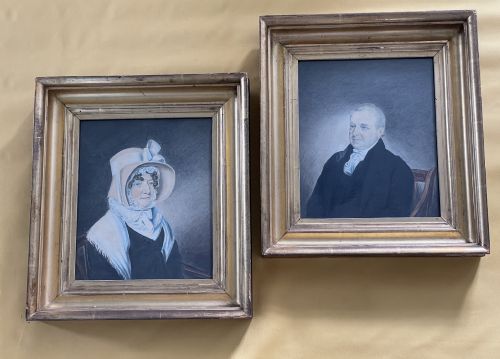
Buyers exploring early 19th century miniatures frequently encounter framed watercolour portraits of gentlemen, ladies, and children alongside decorative items like porcelain ewers, silver scent bottles, and model ships.
The objects bridge multiple stylistic traditions including Regency, Georgian, Early Victorian, and various folk art expressions, reflecting the varied domestic and personal tastes of the era.
How they were made
Makers utilised watercolours and gouache applied to paper, glass, or ivory, often housed within ebonised or maple frames with brass components and gold leaf accents.
Three-dimensional pieces relied on traditional cabinet-making skills, shaping woods such as mahogany, rosewood, burr yew, pine, ash, and elm into small furniture and apprentice pieces.
Silhouettes combined precision cutting with watercolour detailing, while specialised items incorporated carved ivory, silver overlay glass, and hand-painted French porcelain.
Early 19th Century Miniatures Retail Price Guide 2026
Typical asking prices for early 19th century miniatures among the pieces listed under this phrase on Sellingantiques today, from the lower quarter to the upper quarter. They describe what is for sale here now, not the wider market.
One tiny model ship spent its entire existence permanently trapped inside a glass bottle.
What varies in quality
In miniature furniture, the integrity of the timber selection, the finesse of the turned or carved frames, and the preservation of original upholstery determine the standing of a piece.
The condition of delicate components, such as ivory plaques, glass covers, and gold leaf highlights, dictates the overall survival and visual impact of the work.
William James Hubard·J Bizo·Emma Kendrick·William Egley·J Deacon
The Early 19th Century Miniatures Glossary
- Silhouette
- A portrait profile cut from paper or painted in solid black pigment, frequently enhanced with gold leaf highlighting.
- Ivory
- A smooth organic material utilised as a fine painting surface for portrait miniatures to impart a luminous flesh tone.
- Apprentice piece
- A small-scale item demonstrating the skill of a trainee craftsman seeking master status within a guild.
- Gouache
- An opaque watercolour medium providing dense colour saturation and matte finish for miniature paintings.
- Ebonised
- Wood treated with a dark stain or finish to simulate the appearance of ebony, commonly used for framing.
Early 19th Century Miniatures: Frequently Asked Questions
What materials were used for early miniature portraits?
Artists typically painted on ivory, paper, or glass using watercolour, gouache, or ink.
These delicate surfaces were often protected by glass and housed in custom timber or ebonised frames.
How do you display miniature furniture safely?
Small chests and chairs require stable placement away from direct sunlight and fluctuating humidity.
Due to their diminutive scale, placing them on dedicated shelves or within enclosed cabinets prevents accidental damage.
How are Regency and Victorian miniatures distinguished?
Regency pieces often display neoclassical austerity or refined linear silhouettes typical of the early decades.
Victorian examples frequently introduce richer ornamentation, broader colour palettes, and distinct framing styles.