





Early 19th Century Folk Art
Early 19th century folk art comprises vernacular paintings, hand-painted pine furniture, and carved treen made for domestic life by untutored hands.
Early 19th Century Folk Art
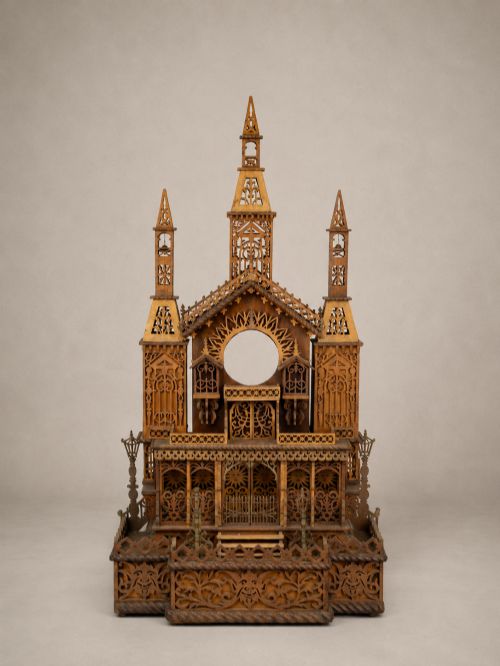
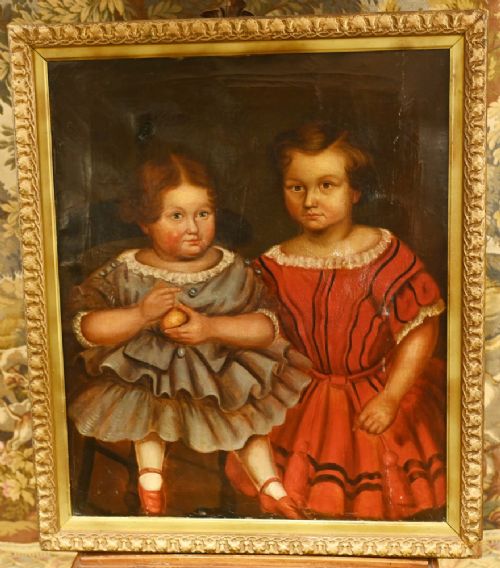
Early 19th century folk art encompasses a diverse array of utilitarian and decorative objects made outside academic traditions, ranging from naive oil paintings of children and estates to painted Scandinavian cupboards and marriage chests. These objects were created for everyday domestic use or personal expression within rural, maritime, and provincial communities.
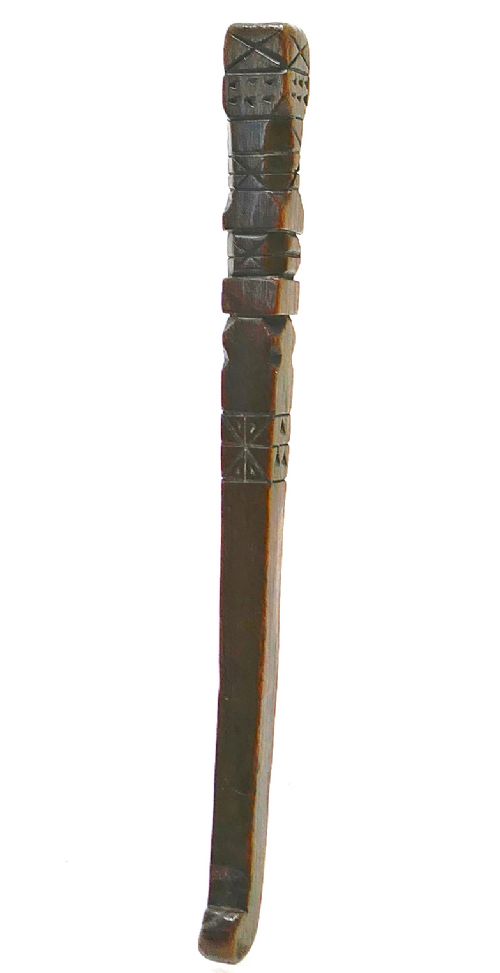
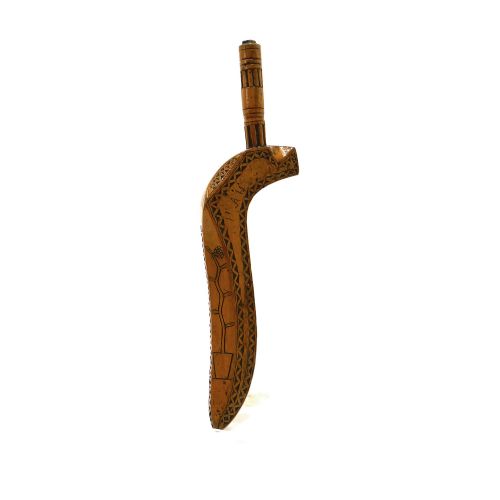
Buyers will most frequently encounter painted pine blanket boxes, wall cupboards, and smaller treen items such as fruitwood knitting sheaths, alongside oil paintings attributed to regional British, American, and Scandinavian schools. The survivals reflect the specific domestic and maritime trades of the period, including carved sailors' fids, model ships in bottles, and cobbler's work stools.
The material record also includes idiosyncratic personal items, such as bone toothpicks, horn snuff mulls, and coconut shell drinking vessels, demonstrating the resourceful craftsmanship of sailors and prisoners of war. Alongside these functional pieces, naive landscapes and portraits capture the direct, unvarnished visual culture of the nineteenth century.
Materials and methods of construction
Makers relied heavily on readily available local timbers, predominantly working with pine for larger furniture items like cupboards and blanket boxes, and dense fruitwoods for smaller treen objects such as knitting sheaths and lovespoons. Iron, birch, oak, and bone were also utilised depending on the object's function and the maker's geographic region.
Surface decoration frequently involved hand-applied oil paint, often over a pine substrate on Scandinavian storage pieces, or intricate punchwork and incised line ornamentation carved directly into fruitwood treen. Textiles and needlework appear in embroidered pictures, while maritime pieces incorporate organic materials including horn, coconut shell, and whalebone.
A carved wooden calf and a bone toothpick offer miniature glimpses into nineteenth-century pocket-sized whimsy.
What separates the finest examples
Quality in these pieces is dictated by the strength of the naive execution and the integrity of the original surface finish, where untouched, original paint layers or patinated fruitwood hold superior visual weight compared to stripped or heavily restored examples. The boldness of a portrait's composition or the depth of carved punchwork on a knitting sheath directly influences the success of the object.
Proportion and structural survival also separate the exceptional from the ordinary, particularly in vernacular furniture such as child's armchairs, work stools, and wall cupboards where daily use often caused severe wear or alteration. Pieces retaining their original functional context, such as inscribed seaman's chests or dated marriage boxes, command greater historical resonance.
The Early 19th Century Folk Art Glossary
- Treen
- Small handmade wooden household objects created for functional use. This category includes items such as knitting sheaths, platters, and spoons carved from fruitwood or birch.
- Naive art
- Artwork characterised by a childlike simplicity in perspective and proportion, created by artists without formal academic training. These pieces rely on direct observation rather than classical rules.
- Snuff mull
- A pocket container used for holding ground tobacco, traditionally fashioned from animal horn and frequently mounted in silver. Scottish examples often display distinctive curved forms.
- Fid
- A conical wooden tool traditionally used by sailors for splicing ropes and cordage. They are usually carved from dense timber to withstand heavy maritime labour.
- Fruitwood
- Dense, fine-grained timber sourced from fruit-bearing trees such as apple, pear, or cherry. It was the preferred material for intricate treen and decorative carvings.
Early 19th Century Folk Art: Frequently Asked Questions
What is folk art?
Folk art refers to utilitarian or decorative items made by self-taught individuals, artisans, or rural communities rather than academically trained artists. These pieces reflect regional traditions and practical domestic needs.
In the context of the early nineteenth century, this encompasses everything from painted pine storage chests and naive oil portraits to intricately carved wooden household tools.
How were painted pine cupboards used?
Painted pine cupboards and wall cabinets served as primary storage solutions in rural European homes, particularly in Scandinavia. They held household provisions, textiles, and domestic valuables.
Their hand-painted exteriors often marked significant life events, such as marriages, combining practical utility with celebratory domestic decoration.
How can I identify naive oil paintings?
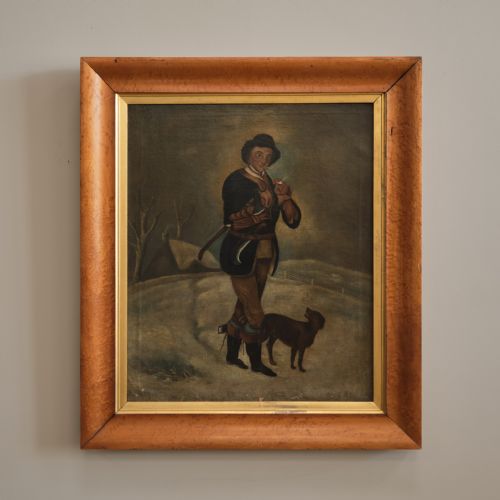
Naive paintings are distinguished by a lack of formal perspective, flat handling of space, and straightforward, direct depictions of subjects. Proportions of figures and animals may appear unconventional.
Despite lacking academic precision, these works offer candid portrayals of children, family estates, and rural life from provincial perspectives.