



Early 19th Century Clock
An early 19th century clock brings mechanical precision and period warmth into a room, spanning grand proportions and domestic mantelpieces.
Form and Period
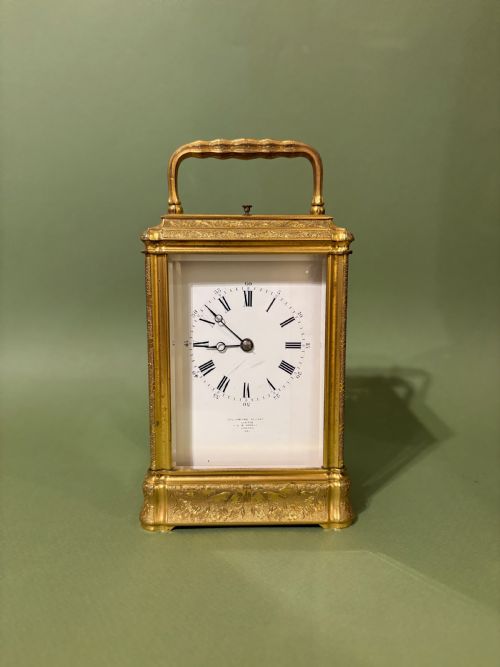
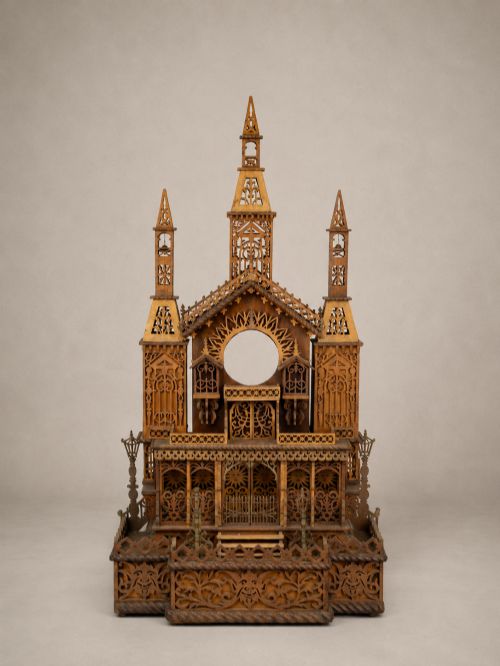
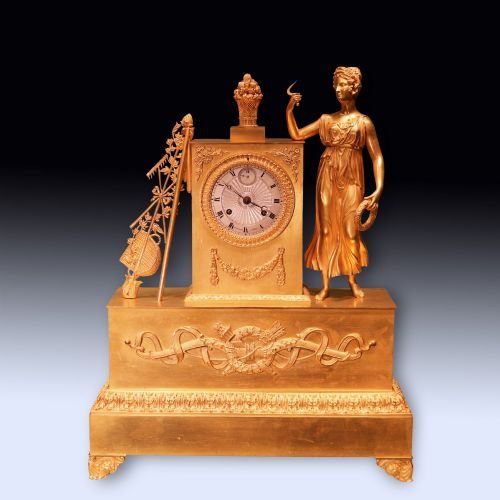
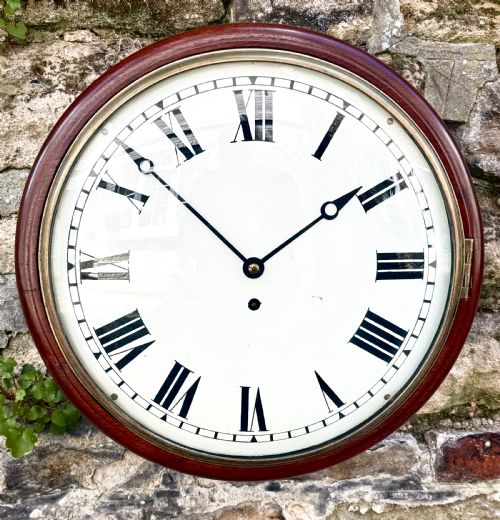
An early 19th century clock spans distinct domestic forms, predominantly tall floor-standing longcase clocks, compact mantel clocks, and wall-mounted dial clocks. These pieces originate from Georgian England, Scotland, Wales, and continental workshops in France and Vienna.
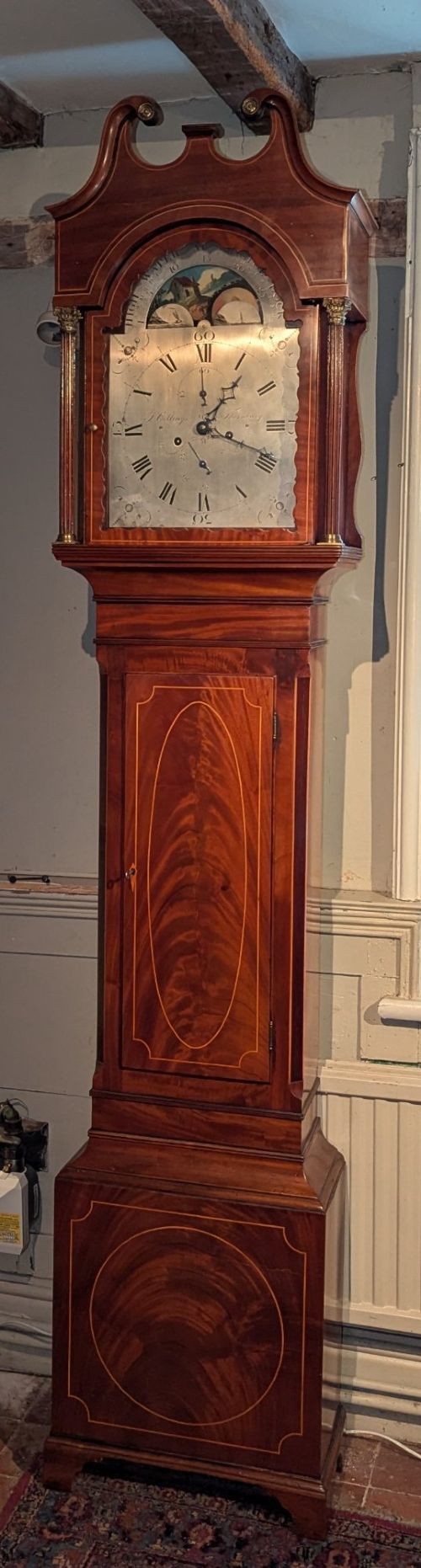
The floor-standing longcase varieties, often termed grandfather clocks, appear most frequently alongside smaller bracket and mantel formats. Regional variations are visible in provincial English oak cases and Scottish mahogany longcases.
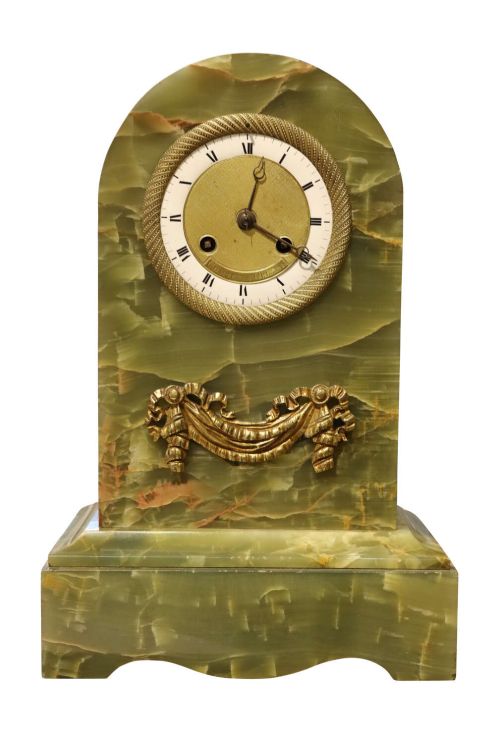
Makers housed movements in architectural wooden housings, deploying dials painted with moons, white iron faces, or engraved brass chapter rings. French iterations favour marble, bronze, green onyx, and portico styles with pendulum regulation.
Craftsmanship and Proportion
Distinction lies in the harmony of cabinet proportions and the fineness of dial execution. Flame mahogany grain matching and intricate satinwood stringing elevate a case from plain utility to refined proportion.
Movement sophistication dictates standing: twin-fusee bracket clocks and moon dial longcases demand higher mechanical competency than standard 30-hour strikes. Signed dials by recorded provincial or London makers add documentary weight to the mechanism.
Retail Price Guide 2026
Typical UK retail prices for early 19th century clock, calculated from the Sellingantiques database of over a million retail prices indexed since 2003. This retail price guide relies exclusively on Sellingantiques data; no external sources or auction records are used, so the figures do not describe the wider market.
Listings feature mahogany, oak, walnut, brass, and glass across longcase, wall, and mantel formats.
Charles à Orléans·John Bishop of Sherborne·John Cross of London·George Cockle·Summerhayes of Taunton·Adolf Hradetzkn·John Smith Pittenweem·William Lancaster of Plymouth Dock·Thomas Bass
The Early 19th Century Clock Glossary
- Longcase clock
- A tall weight-driven pendulum clock housed in a wooden tower, commonly known as a grandfather clock. These standing timepieces utilise long pendulums for sustained accuracy.
- Fusee
- A conical pulley connected to the mainspring by a cord or chain, designed to equalise the torque as the spring unwinds. This mechanism maintains consistent force across the gear train.
- Chapter ring
- The outer ring on a clock face bearing the hour numerals. These are frequently engraved on silvered brass or painted directly onto iron dials.
- Mantel clock
- A smaller domestic clock designed to sit on a fireplace mantel or shelf. They frequently employ spring-driven movements encased in bronze, marble, or mahogany.
Frequently Asked Questions
How do I wind an 8-day clock?
Wind an 8-day movement weekly using the appropriate crank key, turning slowly until resistance meets the stop. Avoid over-winding to protect the tensioned mainspring.
Ensure the key engages fully with the winding arbor and support the clock case gently during the operation to maintain stability.
What is the difference between longcase and bracket clocks?
Longcase clocks stand independently on the floor utilising hanging weights and long pendulums. They occupy a prominent vertical presence in a hallway or landing.
Bracket clocks operate via spring-driven fusee movements and sit compactly on shelves or tables, making them portable relative to tall case clocks.
How should I care for a antique clock movement?
Keep mechanical clocks away from direct sunlight, central heating vents, and damp exterior walls to protect wooden cases and metal gears. Stable room temperatures prevent timber warping.
Professional oiling and cleaning every few years ensure the brass pivots and steel arbors avoid premature wear during operation.