


Dutch Seascape Painting
These Dutch seascape painting examples capture marine life and coastal waters across centuries of skilled maritime artistry.
Dutch Seascape Painting
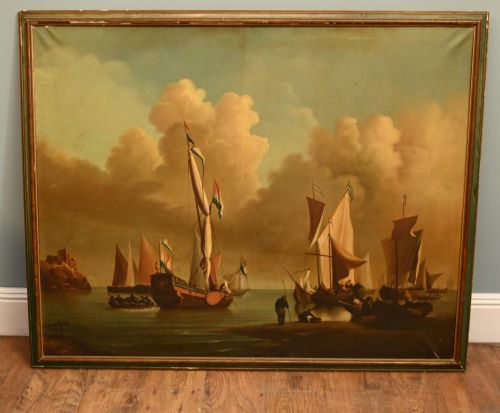
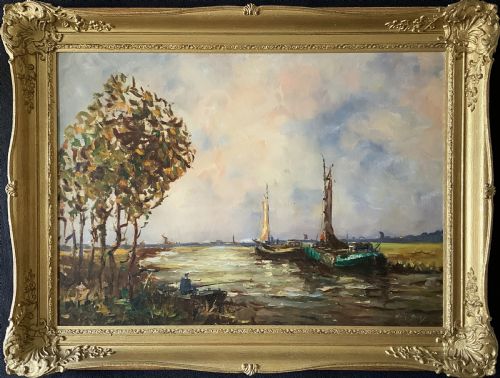
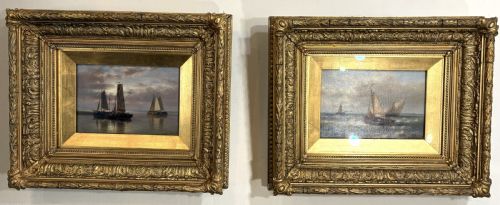
A dutch seascape painting brings maritime history into a room through depictions of coastal scenes, sailing boats, and bustling ports. These works record the changing moods of the sea, from calm waters to turbulent gales affecting shipping vessels.
The selections span centuries, featuring seventeenth century Golden Age depictions alongside nineteenth century maritime interpretations and twentieth century impressions. Collectors encounter works executed in oil on canvas, wood panel, and watercolour mediums.
Works on this page range from dramatic sea battles and stormy estuary views to peaceful harbour scenes featuring fishing boats. Pieces frequently highlight traditional Dutch watercraft navigating coastal shores or distant ports.
Evaluating quality and execution
Quality rests in the artist's handling of atmospheric light, fluid water movement, and detailed rigging on sailing vessels. Superior examples demonstrate confident brushwork that conveys the weight of ships and the expanse of skies.
The integration of original framing materials like giltwood and gesso contributes to the preservation and historical context of the piece. Depth of perspective and the naturalistic rendering of waves distinguish accomplished works from standard studio productions.
Listings feature oil on canvas, wood, gesso, and gold leaf across seventeenth to twentieth century periods.
Bonaventura Peeters·Willem Bos·Abraham Hulk I·Pieter Cornelis Dommersen·Adrian Van Porten·Hendrik Willebrord Jansen·Owen Bowen·William Raymond Dommersen·Paul Jean Clays·Fred Mayor·Hendrik Yan Wolter·Frank Myers Boggs·Charles Martin Powell·Thomas Bush Hardy·Abraham Storck·Alfred Montague·Maud E Dickinson
The Dutch Seascape Painting Glossary
- Estuary
- The tidal mouth of a large river where the tide meets the stream. These settings provided artists with bustling views of shipping traffic.
- Gesso
- A plaster mixture used as a smooth base for painting or for moulding decorative frames. Giltwood frames often utilise this foundation beneath gold leaf.
- Impressionism
- A nineteenth century painting style characterised by relatively small, thin yet visible brush strokes. This approach emphasises accurate depiction of light in its changing qualities.
- Marine
- Relating to or characteristic of the sea or shipping. Marine art encompasses ship portraits, coastal views, and naval engagements.
- Provenance
- The chronology of the ownership or location of a historical object. Documented histories help confirm attribution to specific artists.
Dutch Seascape Painting: Frequently Asked Questions
What periods do these paintings cover?
The collection spans from the seventeenth century Dutch Golden Age through the nineteenth century marine revival up to the early twentieth century.
Different eras bring distinct painting styles, ranging from detailed seventeenth century historical vessels to impressionist harbour scenes.
What materials are used?
Most works utilise oil paint applied to canvas or wood panels, though some examples are rendered in watercolour on paper.
Frames typically incorporate traditional materials such as giltwood, gesso, and gold leaf to complement the artwork.
How do I hang a marine painting?
Consider placing the artwork on a wall with stable ambient light, away from direct sunlight that could affect the pigments.
Ensure the wall fixings are adequate for the weight of the canvas and its original giltwood frame.
How do I identify a coastal scene?
Look for defining maritime elements such as sailing boats, fishing vessels, lighthouses, estuaries, and coastal shores.
Many works include atmospheric skies, turbulent seas, and traditional Dutch watercraft navigating European ports.