



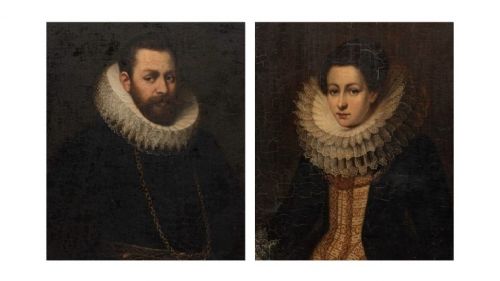
Dutch Portrait Oil Painting
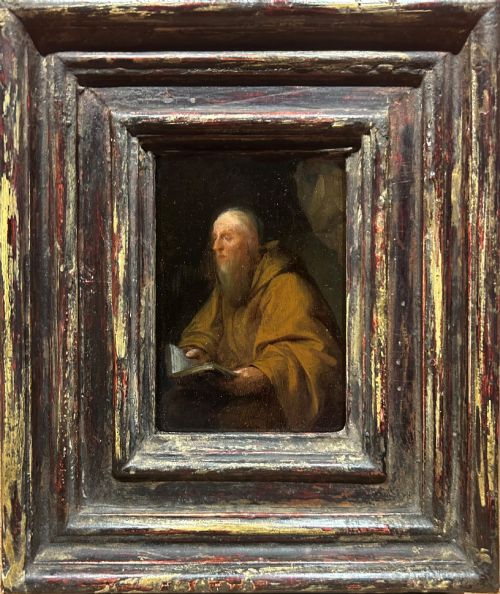
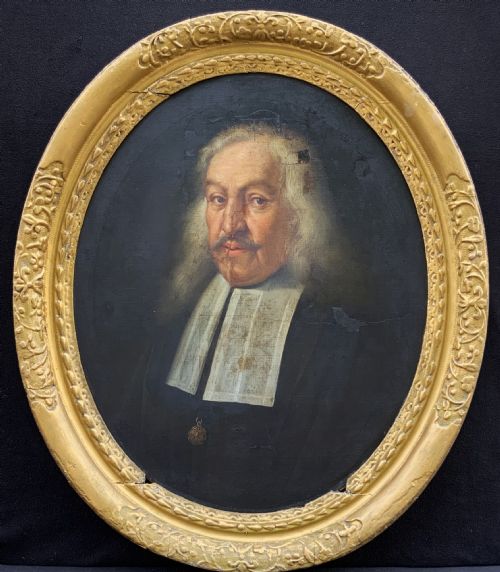
A dutch portrait oil painting captures seventeenth-century subjects with dramatic lighting and psychological depth.
Dutch Portrait Oil Painting
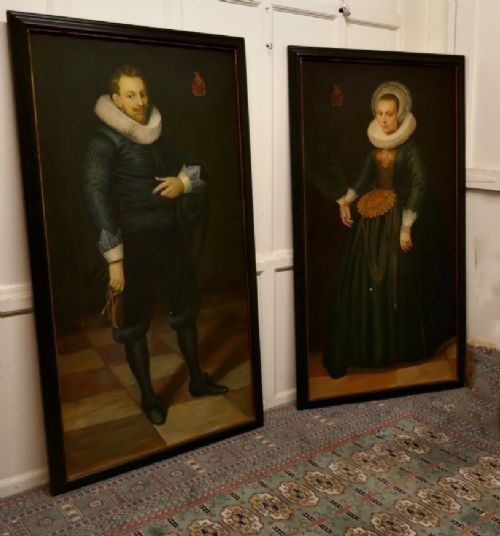
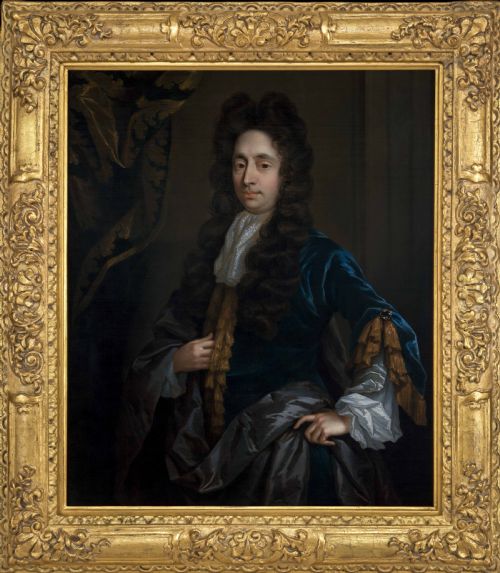
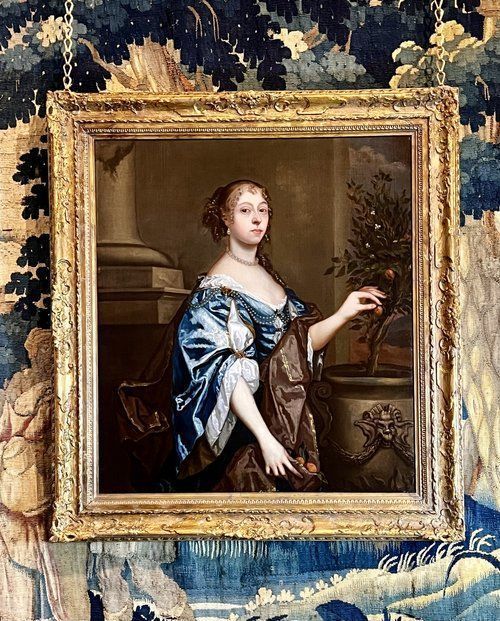
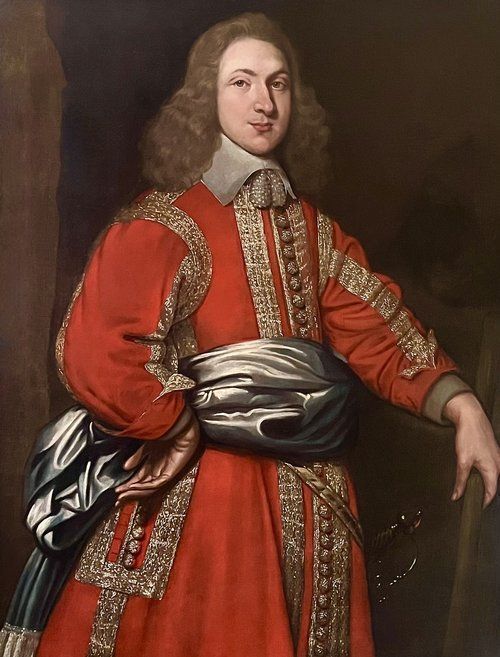
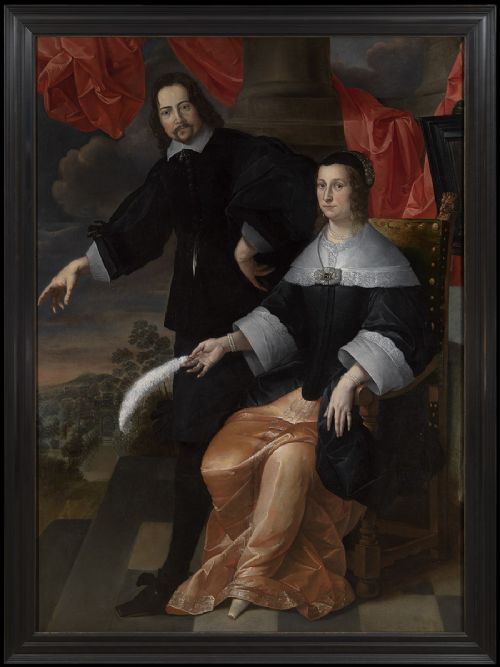
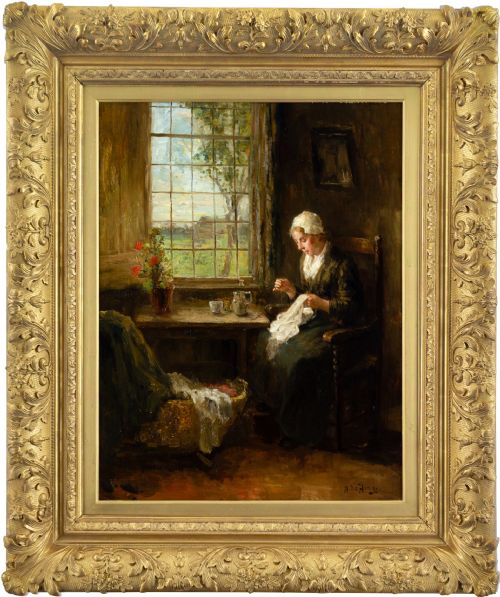
A dutch portrait oil painting encompasses historical depictions of noblemen, military officers, ladies, and ordinary citizens produced across several centuries.
Buyers encounter seventeenth-century originals alongside later nineteenth-century interpretations and twentieth-century revivals created in historic styles.
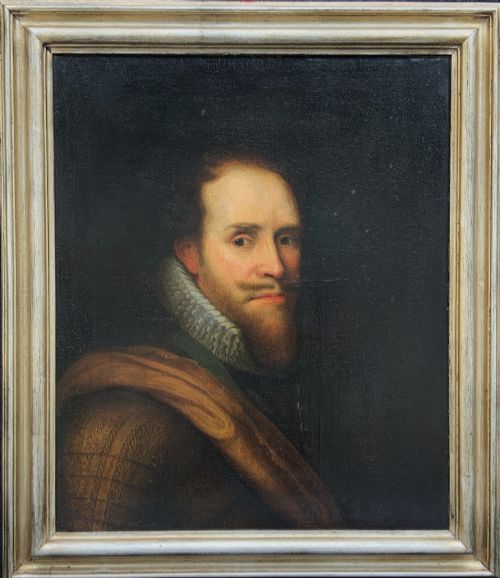
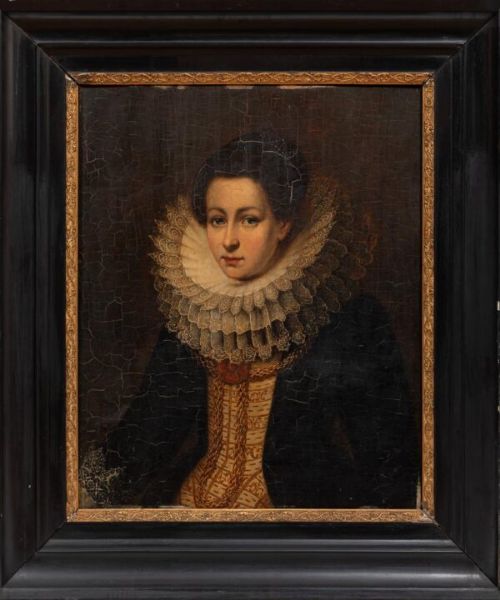
Subjects range from single half-length figures in elaborate ruff collars to double portraits and tavern interiors executed on canvas, wood panel, or board.
How they were made
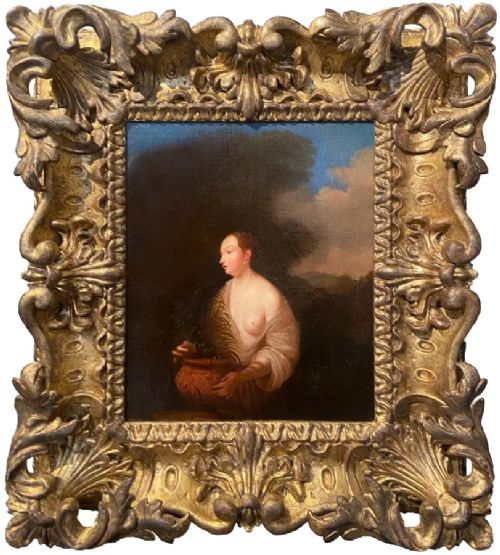
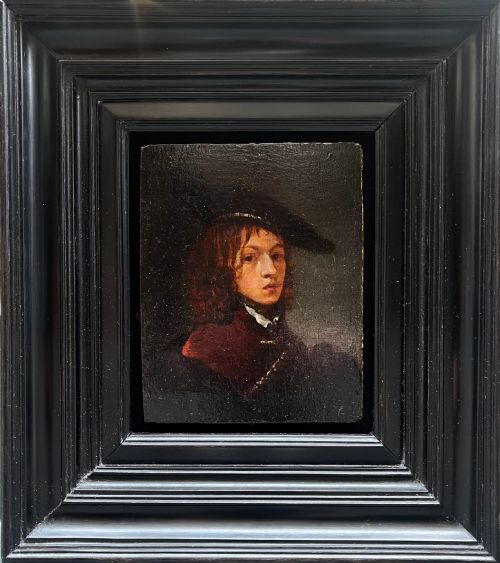
Artists built compositions using oil paint applied to stretched canvas, wooden panels, or canvas boards, often incorporating giltwood frames.
Current listings feature oil on canvas, wood panel, and giltwood frames spanning from the seventeen hundreds through the twentieth century.
What varies in quality
Quality rests upon the sensitivity of brushwork in facial expressions, hands, and costume details rather than mere age or attribution.
Superior works demonstrate confident handling of light and shadow, whereas lesser examples rely on stiff repetition and flat surfaces.
Pieter Borseler·Constantyn Netscher·Nicolaes Maes·David Teniers·Cornelis Van Der Voort
The Dutch Portrait Oil Painting Glossary
- Chiaroscuro
- A technique employing strong contrasts between light and dark to give subjects volume and dramatic intensity. This approach defines many seventeenth-century works.
- Old Master
- A term for a European painter of skill who worked before about eighteen hundred. These artists established foundational portrait traditions.
- Ruff
- A voluminous pleated collar worn in the sixteenth and seventeenth centuries. Their intricate folds indicate the high status of the sitter.
- Panel painting
- Art executed on a rigid wooden support rather than flexible canvas. Oak panels were especially common in northern European workshops.
- Attribution
- An expert scholarly assessment connecting a painting to a specific master or their immediate studio circle. This judgment relies on stylistic comparison.
Dutch Portrait Oil Painting: Frequently Asked Questions
How do I identify a seventeenth-century piece?
Examine the preparation of the support, the garment styles such as ruff collars, and the pigment composition under magnification.
Compare the handling of light and facial modeling against authenticated examples from the same regional school.
Are these works painted on canvas or wood?
Surviving examples appear on both traditional stretched canvas and rigid wooden panels.
Panel supports frequently indicate earlier northern European origins, while canvas became increasingly widespread over time.
What is the difference between an original and a later copy?
Seventeenth-century originals display contemporary pigments and organic ageing patterns consistent with their stated period.
Later copies executed in nineteenth-century or twentieth-century revivals often reveal modern priming layers and mechanical surface textures.
How should I care for an antique oil painting?
Keep the artwork away from direct sunlight, heating vents, and damp environments to protect the organic canvas or wood.
Avoid chemical cleaning agents and consult a professional conservator for surface maintenance or varnish removal.