




Dutch Master Still Life
Dutch master still life paintings capture the rich detail and dramatic light of the Golden Age, bringing centuries of botanical and domestic artistry into a modern room.
Dutch Master Still Life
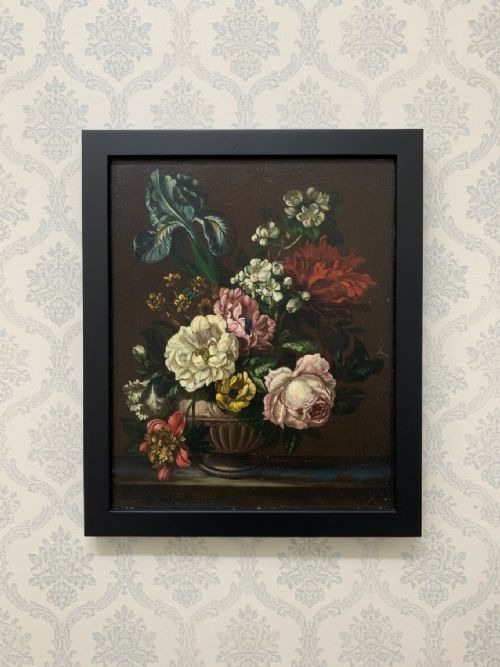
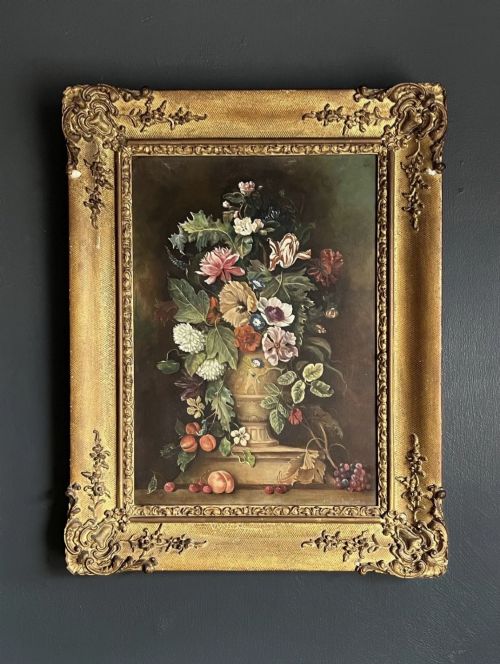
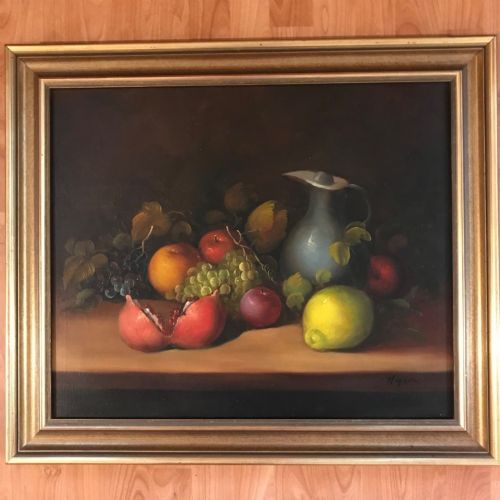
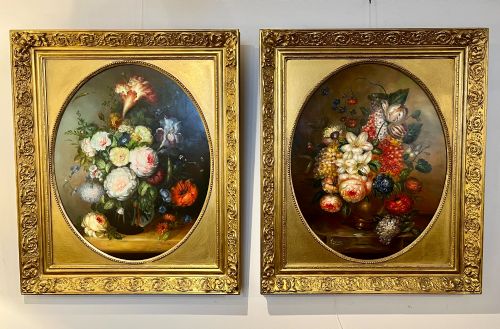
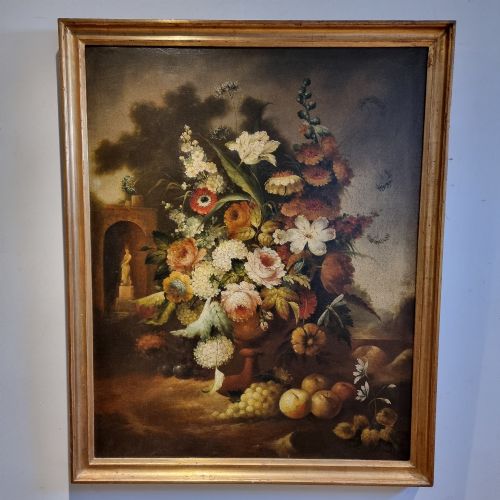
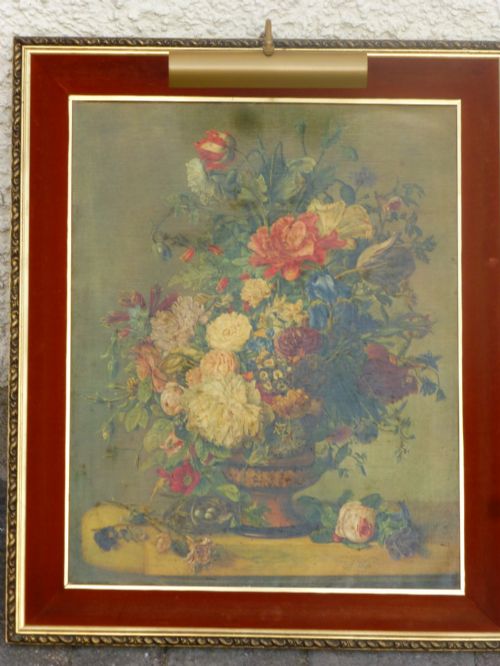
A dutch master still life brings together historic canvases and later interpretations that follow the traditions of the Golden Age, Flemish Baroque, and Dutch School. These works frequently depict elaborate arrangements of flowers, fruit, or dead game rendered with academic precision.
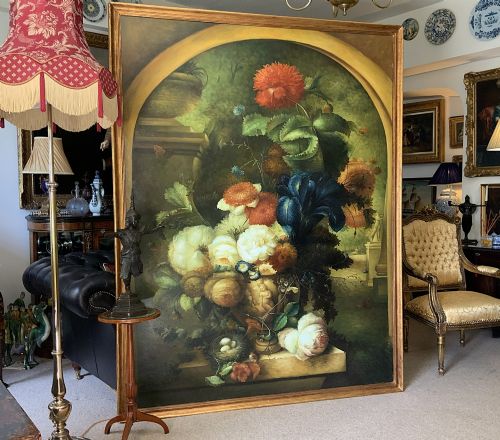
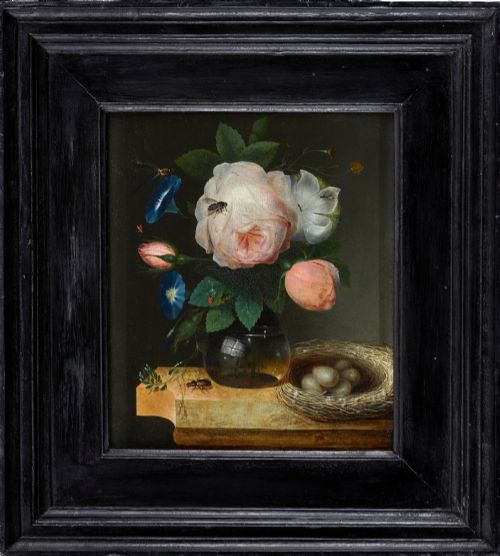
Most pieces encountered on this page date from later revival periods, including the early twentieth century, alongside authentic seventeenth-century examples and eighteenth-century compositions. The physical forms range from intimate miniature oil paintings on panel to monumental wall art stretching several feet across.
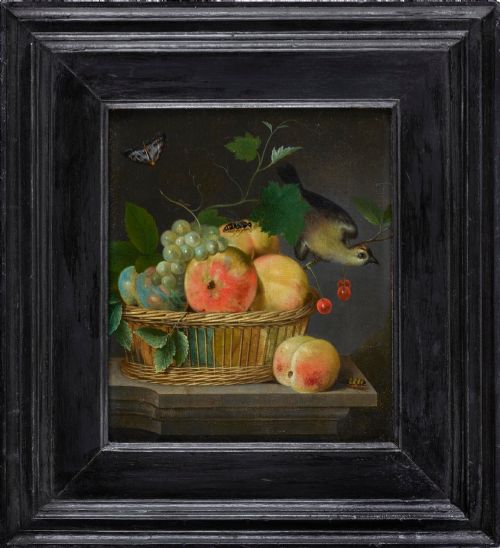
Subjects vary from floral compositions in glass vases and blue and white jugs to dramatic scenes involving baskets of fruit and animals. Buyers select these artworks to anchor a room with traditional gravitas and meticulous detail.
Materials and construction
The primary medium across these works is oil paint applied to supports such as canvas, wood panels, oak panels, and board. Artists built up rich textures using traditional pigments to capture the soft petals of flowers and the glossy surfaces of fruit.
Dogs occasionally make an appearance here, caught red-handed stealing food from a basket.
Markers of quality
The distinction between ordinary and exceptional works rests on the handling of light, shadow, and natural textures. Superior paintings demonstrate depth in the layering of oil paint and precise control over botanical or animal detail.
The integration of the artwork with its housing also defines the piece, particularly where original or period-appropriate gilt gesso frames enhance the visual weight of the composition.
Gaspar Peeter Verbruggen·Frans Snyders·Calzolari·Terence Loudon·Anton Weiss·J.C.de Bruin
The Dutch Master Still Life Glossary
- Dutch Golden Age Style
- An aesthetic rooted in the seventeenth-century Netherlands, noted for its dramatic lighting, dark backgrounds, and hyper-realistic depiction of everyday objects and nature. This style emphasises contrast and rich detail.
- Flemish Baroque
- A movement sharing close ties with Dutch art, distinguished by exuberant compositions often featuring abundant fruit, flowers, and wildlife. These works lean toward theatricality and scale.
- Oil on Panel
- A painting technique utilising a rigid wooden substrate, such as oak, rather than flexible canvas. This method was favoured in earlier centuries for stability and a smooth working surface.
- Gesso and Gilded Wood
- A traditional framing method involving a chalk-based plaster mixture applied to wood and covered in gold leaf. It provides a reflective, ornate border typical of period presentation.
Dutch Master Still Life: Frequently Asked Questions
What is a dutch master still life?
A dutch master still life is an oil painting that follows the artistic traditions established in the Netherlands and Flanders during the seventeenth century. These works typically depict flowers, fruit, or game with intense realism and dramatic lighting.
While some examples date back to the seventeenth and eighteenth centuries, many available pieces are later revivals from the twentieth century created in the same meticulous style.
How do I date an antique painting?
Dating involves examining the physical support, such as whether the oil paint is applied to stretched canvas, an oak panel, or board. Stylistic clues and framing materials also provide strong indicators of age.
Paintings from the seventeenth century differ significantly in material preparation from twentieth-century revivals, though revival artists often used classical techniques to mimic older works.
Where should I hang these artworks?
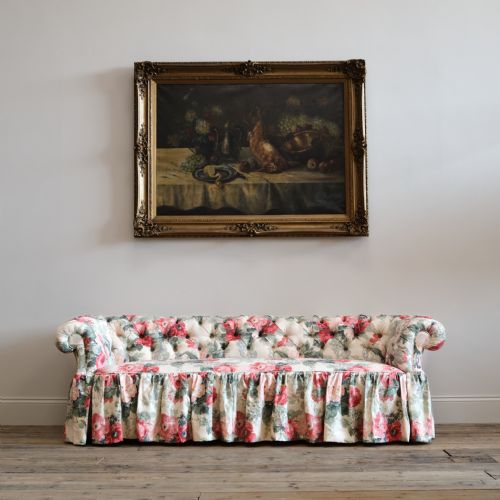
These dramatic paintings suit traditional dining rooms, libraries, or studies where their dark backgrounds and rich subjects can command attention. Pairing them with traditional furniture enhances their historic character.
Due to the sensitivity of oil paint and gilded wood frames, avoid placing them in direct sunlight or areas with high humidity.
What subjects are most common?
Floral arrangements are among the most frequent subjects, often displayed in glass vases, baskets, or blue and white jugs. Other common themes include harvested fruit and dead game scenes.
Each subject carries symbolic weight from its historical origins, ranging from the passage of time to the abundance of nature.