

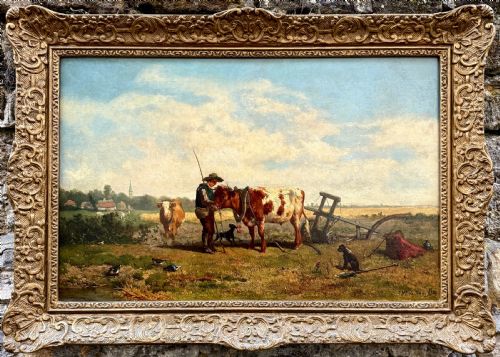


Dutch Landscape Wall Art
Dutch landscape wall art brings the atmospheric skies, canals, and windmills of the Low Countries into a room through historic paintings.
Dutch Landscape Wall Art
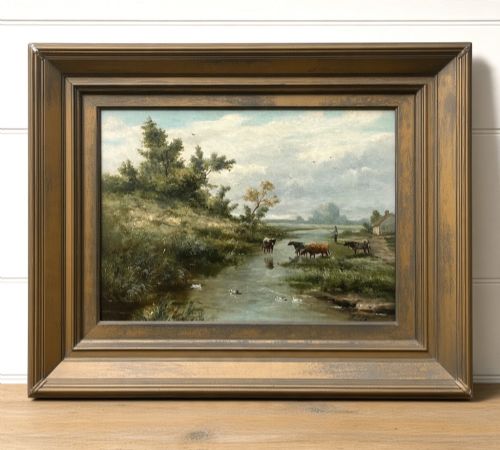
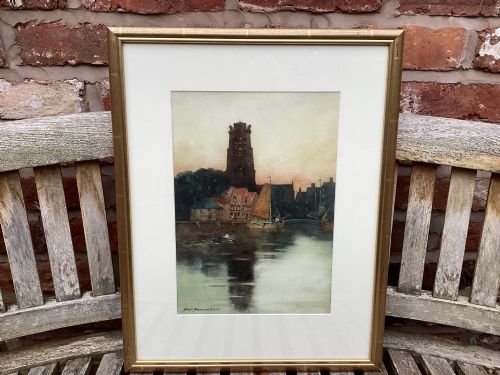
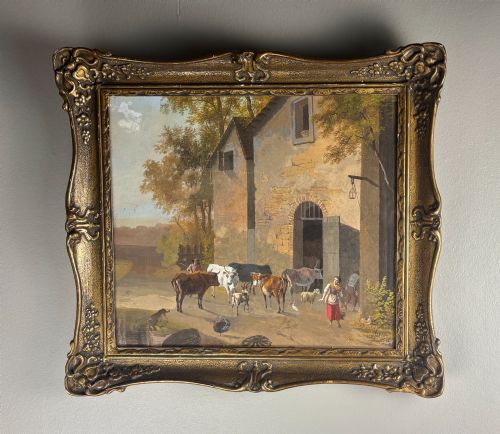
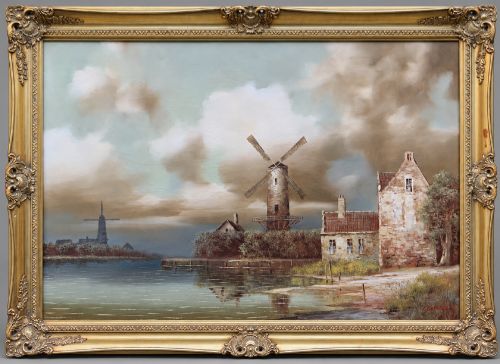
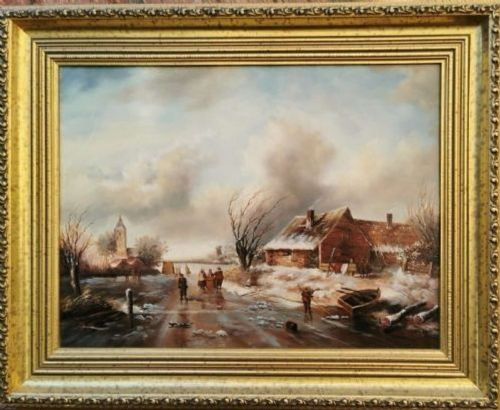
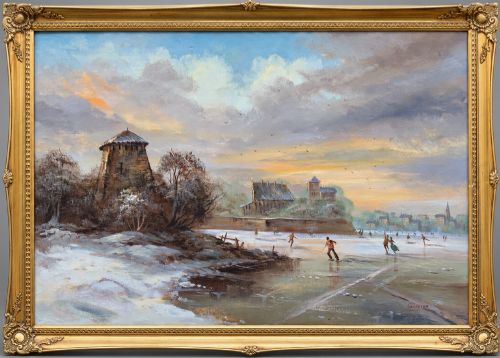
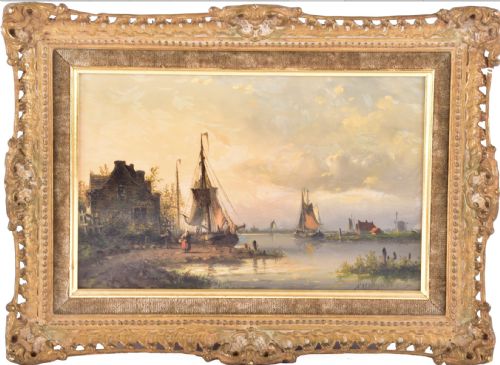
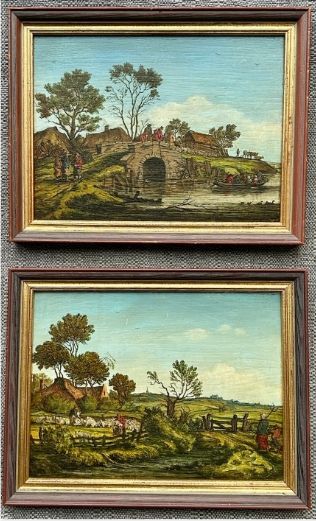
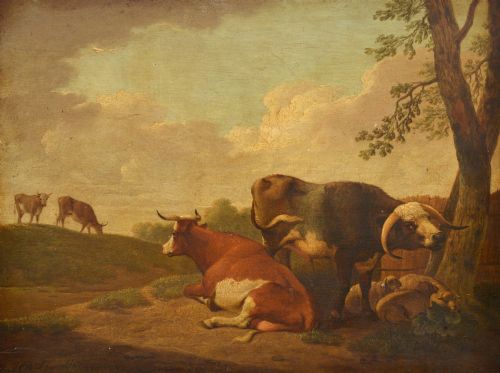
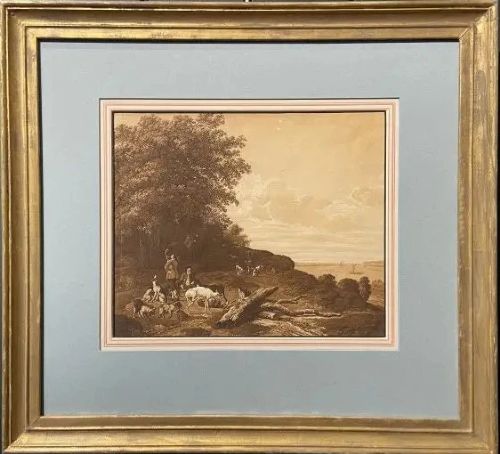
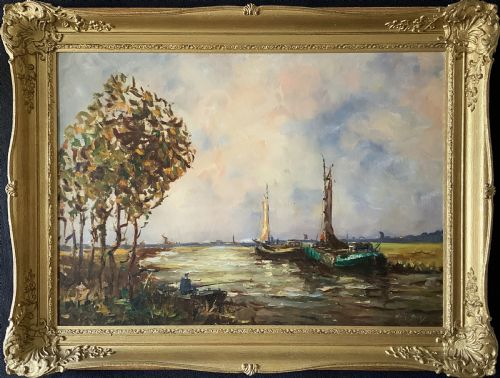
Dutch landscape wall art encompasses oil paintings, watercolours, and framed artworks depicting rural scenes, riversides, and maritime views. The selections here range from seventeenth-century maritime works to nineteenth-century realists and mid-century impressions.
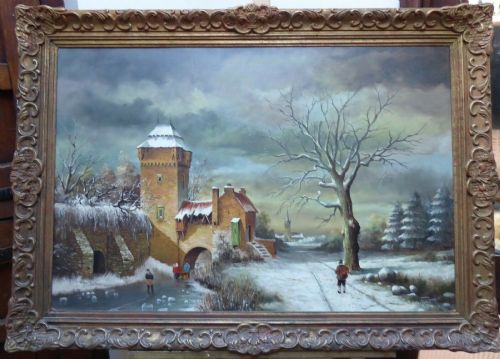
Buyers frequently encounter oil paintings on canvas and wood panels depicting windmills, canals, and winter skating scenes. These pieces reflect traditions spanning the Dutch Golden Age, the Hague School, and later nineteenth-century interpretations.
Materials and methods
Makers utilised oil paint applied to canvas, wood panels, and paper supports to build up rich textural depth. Frames often featured carved wood ornamented with gesso and gold leaf or gilt finishes.
Artists employed layered brushwork to capture atmospheric light over waterways and rural tracks. Watercolour on paper appears alongside traditional oil techniques across the nineteenth-century works.
Dutch Landscape Wall Art Retail Price Guide 2026
Typical asking prices for dutch landscape wall art among the pieces listed under this phrase on Sellingantiques today, from the lower quarter to the upper quarter. They describe what is for sale here now, not the wider market.
Listings span periods from the 17th Century to the 1960s, utilising oil paint, canvas, wood, and gold leaf.
Distinctions in quality
The degree of descriptive skill in rendering light, water reflection, and atmospheric distance separates works. Finer examples display confident brushwork and precise handling of architectural and natural details.
The condition of the original canvas, panel stability, and the preservation of giltwood frames influence the character of each piece. Signed works by recognised painters carry distinct documentary weight compared to anonymous studio pieces.
Bonaventura Peeters·Johannes Lingelbach·Willem Bos·Johannes de Haas·Pieter Cornelis Dommersen·Thomas Bush Hardy·Willem Anton Alexander Knip·Johannes Philippus Galjaard·Abraham Hulk Snr·James de Rijk·William Raymond Dommersen·Jan van Couver·Jan Evert Morel·Job de Vogel·Gudrun Sibbons·Constant Ludovic Artz·Andreas Schelfhout·Hendrik Yan Wolter·Karel Frans Philippeau·Ludwig Hermann·Louis Smets·Frank Myers Boggs
The Dutch Landscape Wall Art Glossary
- Oil on canvas
- Pigment mixed with drying oil applied to a woven fabric support stretched over a wooden frame. This medium allowed artists to achieve subtle tonal gradations and rich surface textures.
- Wood panel
- A rigid wooden support used for painting before canvas became dominant. Artists often prepared these boards with gesso grounds before applying oil paint.
- Giltwood
- Wood carved and covered with a thin layer of gold leaf or gold paint. Frames utilising this technique complement historic paintings.
- Hague School
- A group of nineteenth-century artists influenced by the realism of the French Barbizon school who painted in and around The Hague. Their works emphasise grey tones and atmospheric light.
- Maritime painting
- Artworks focusing on ships, seascapes, and coastal views. These pieces capture historical vessels on the Dutch coast and open waters.
Dutch Landscape Wall Art: Frequently Asked Questions
What subjects appear in these paintings?
The artworks depict rural tracks, windmills, frozen winter canals, and coastal shipping scenes. Many capture everyday life alongside waterways and agricultural fields.
Maritime views feature sailing boats in gales or calm coastal waters. Townscapes and harbour scenes record historic European architecture.
How do I date a piece?
Dates often rely on artist biographical records, signatures, and stylistic markers tied to specific periods. Nineteenth-century works display distinct realist or impressionist handling.
Support materials like wood panels or old stretchers provide additional clues. Framing styles can also help establish the approximate age of the artwork.
How should I hang these artworks?
These framed pieces suit traditional wall placements with stable environmental conditions. Avoid direct sunlight to protect oil paint and paper watercolours.
Ensure wall fixings match the weight of the heavier giltwood and canvas combinations. Adequate spacing allows detailed brushwork to be viewed clearly.
What is the Dutch School style?
The Dutch School encompasses centuries of artistic production rooted in the realist traditions of the Low Countries. It emphasises naturalistic lighting, landscape depth, and everyday subjects.
Later interpretations retain these regional atmospheric qualities while incorporating nineteenth-century impressionist techniques. The style bridges Golden Age observation with modern painterly expression.