



Dutch Genre Art
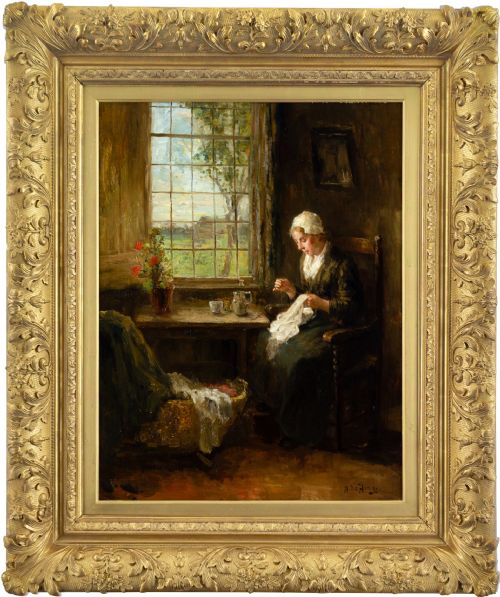
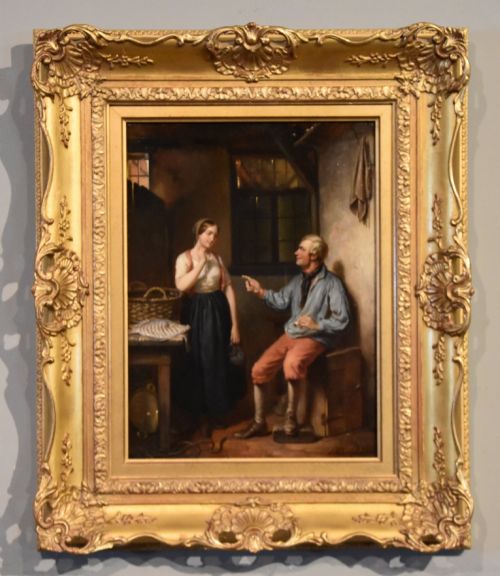
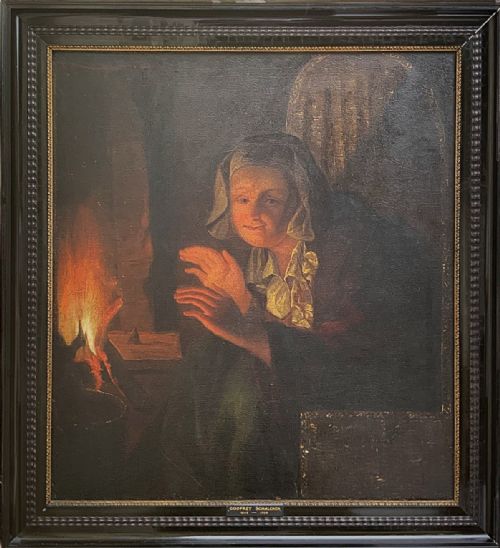
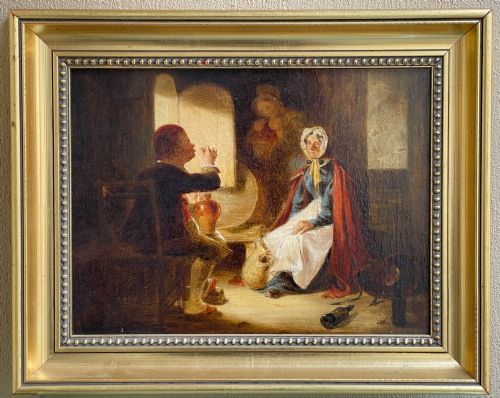
Dutch genre art captures everyday scenes of domestic life and tavern merriment, offering a direct window into historical European society.
Dutch Genre Art
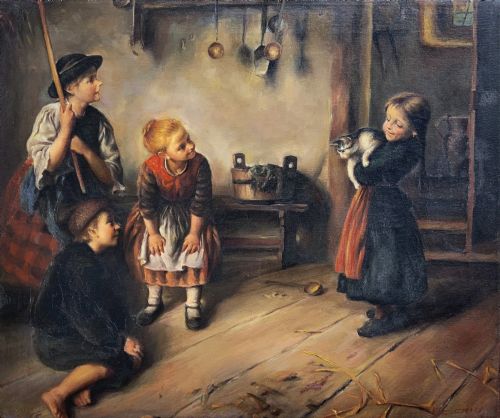
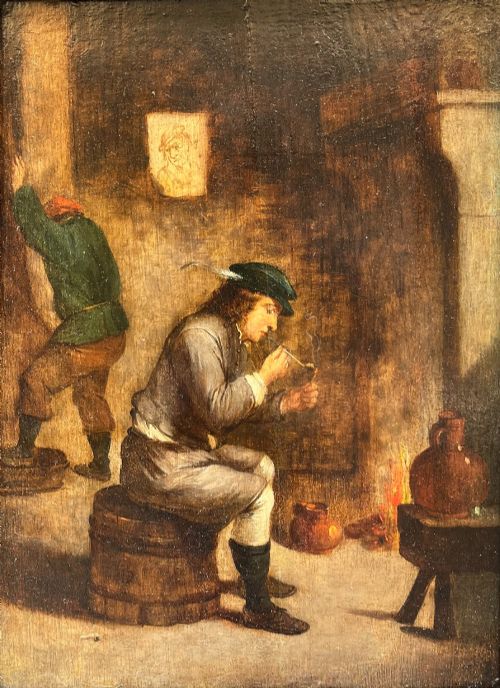
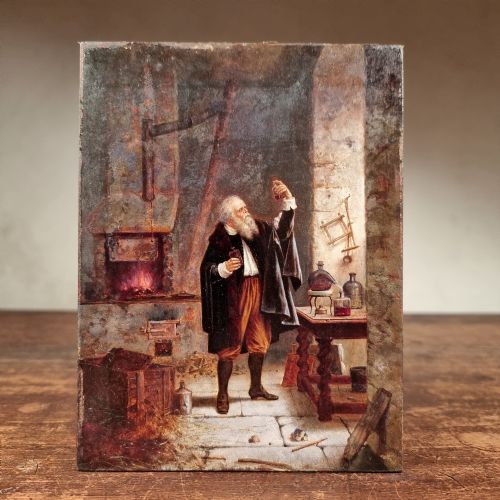
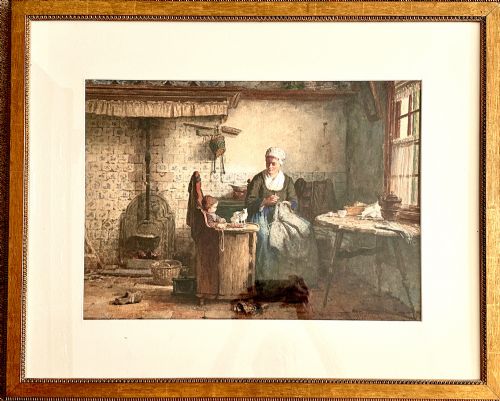
When searching for dutch genre art, buyers encounter oil paintings and watercolours depicting daily activities, interiors, and rustic figures from the seventeenth century onward.
The selections span seventeenth-century works, eighteenth-century panels, and nineteenth-century realism, alongside later interpretations produced in the twentieth century.
Common subjects include tavern interiors, musicians, spinners, fisherfolk, and children engaged in domestic tasks within framed wall art.
Materials and Support
Works in this category utilise oil paint and watercolour applied to various supports, including canvas, wood panels, oak boards, copper, and tin.
Frames frequently incorporate giltwood and gesso to complement the painted surfaces of these fine art pieces.
Materials span canvas, wood, oak panels, copper, tin, and watercolour paper, framed in period giltwood and gesso.
Execution and Provenance
Distinction in these works rests on the dexterity of brushwork and the handling of light within interior and nocturnal settings.
Pieces created in the circle of established artists or following the manner of the Dutch Golden Age hold particular distinction compared to later derivative works.
David Teniers·Hendrik Valkenberg·Bernard De Hoog·Jacob Akkersdijk·Godfried Schalcken·Jan Cossiers·Joachim Bueckelaer·Quirijn Van Brekelenkamp·Jozef Israëls·Ludolf de Jongh·Madeline Hughes·Christoffel Bisschop·Willem Johannes Martens·Karel Frans Philippeau·Reinier de la Haye·Jan Steen·Bartholomeus Van der Helst
The Dutch Genre Art Glossary
- Dutch School
- A term denoting artists working in the Netherlands or adhering to its stylistic traditions across various centuries.
- Genre Painting
- The pictorial representation of scenes from everyday life, involving ordinary people in domestic or public interiors.
- Oil on Panel
- A painting technique where oil pigments are applied directly to a prepared wooden board rather than canvas.
- Manner of
- A descriptive classification indicating a work created in the distinctive style of a specific master without being an original production by their hand.
- Gesso
- A paint mixture consisting of a binder mixed with chalk, pigment, or plaster used to prepare wood panels for painting or to form decorative frames.
Dutch Genre Art: Frequently Asked Questions
What is Dutch genre art?
These pieces represent paintings and watercolours depicting everyday human subjects, such as tavern workers, musicians, and domestic labourers, rather than formal portraits or grand historical narratives.
They record the habits, clothing, and interiors of past societies through the medium of oil paint on canvas, wood, or copper.
How should I display these paintings?
Most of these works arrive within traditional frames of giltwood or gesso that complement their historic nature and protect the edges of the canvas or panel.
Position them away from direct sunlight and excessive humidity to preserve the oil paint and wooden supports.
How do I identify seventeenth-century pieces?
Early works typically utilise robust wooden panels or early canvas supports, often featuring subjects inspired by the Dutch Golden Age and Flemish Baroque movements.
Attributions often reference the circle or manner of historical masters from that primary era.
What distinguishes original works from later copies?
Original period pieces display contemporary pigment chemistry and ageing patterns appropriate to their stated century, while later nineteenth-century or mid-century pieces reflect the revival styles of their own creation date.
Examinations of the panel or canvas grain help clarify the exact period of manufacture.