



Dutch China Cabinet
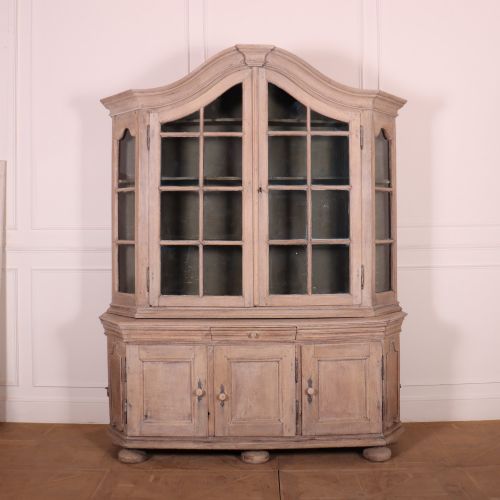
When you choose a dutch china cabinet, you bring home a substantial display piece designed to showcase porcelain and glassware behind glazed doors.
Dutch China Cabinet
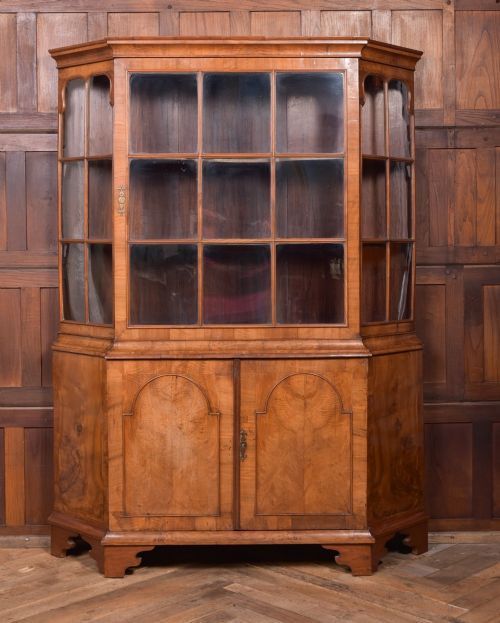
A dutch china cabinet is primarily found as a display cabinet, vitrine, or corner cabinet, often constructed as a two-part cabinet on chest. These pieces range from the 18th century through to the 20th century, encompassing Georgian, Victorian, and Edwardian periods.
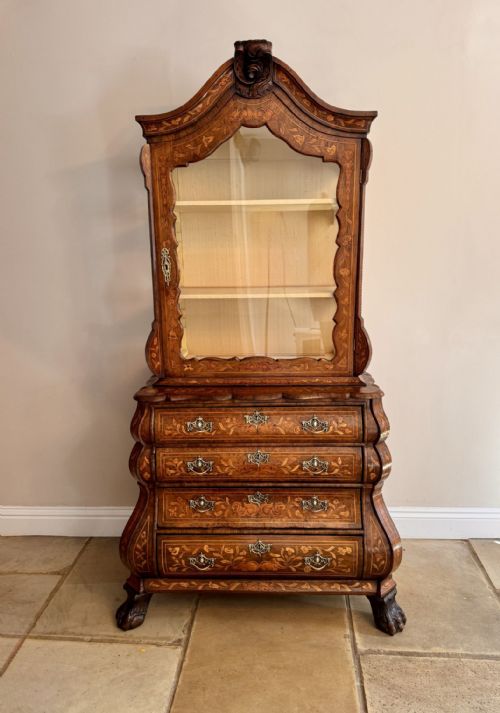
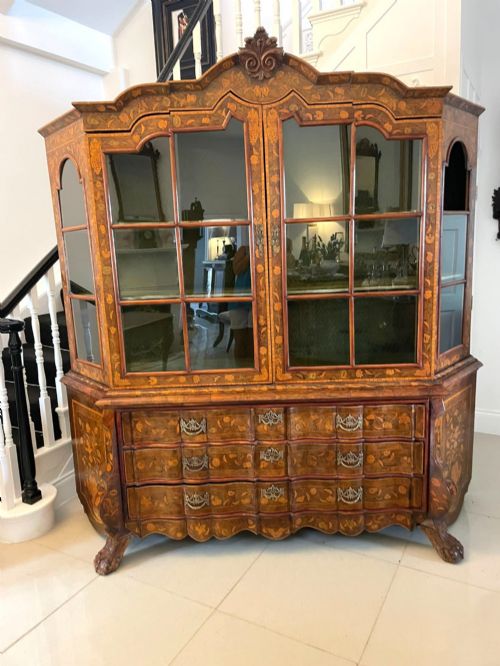
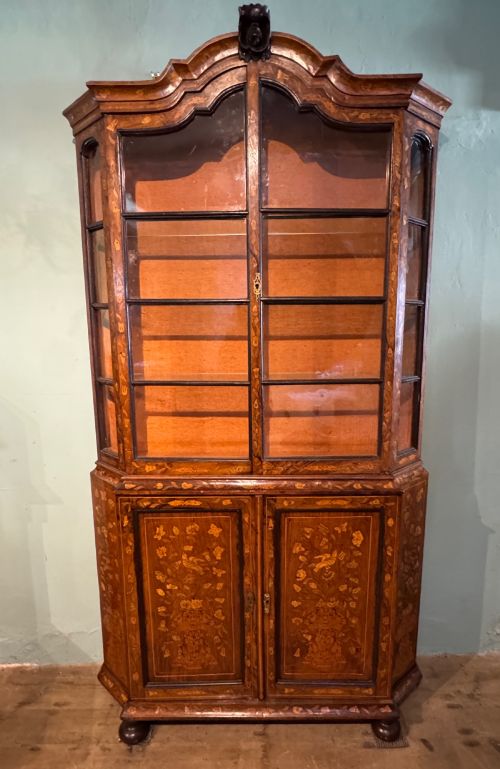
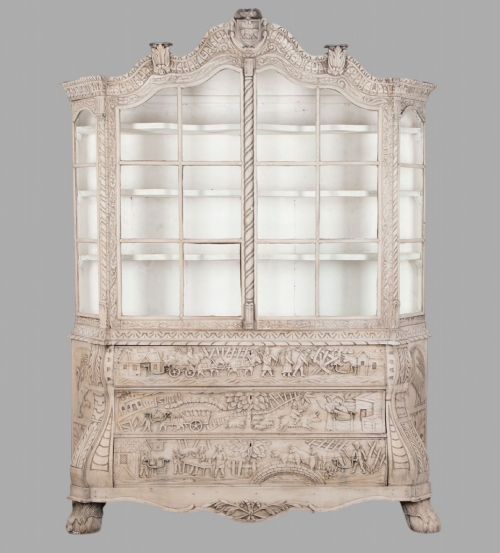
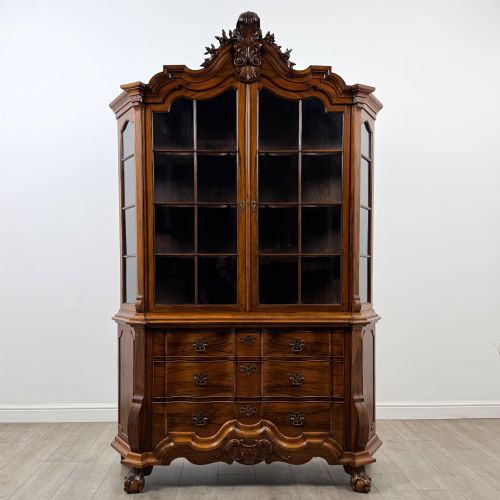
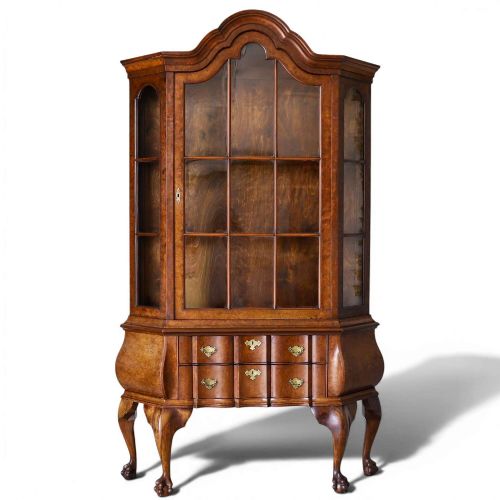
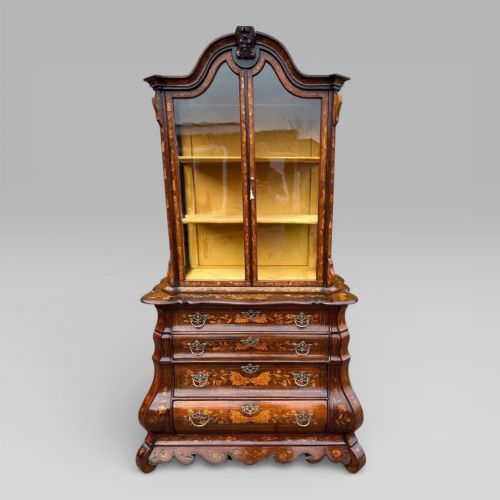
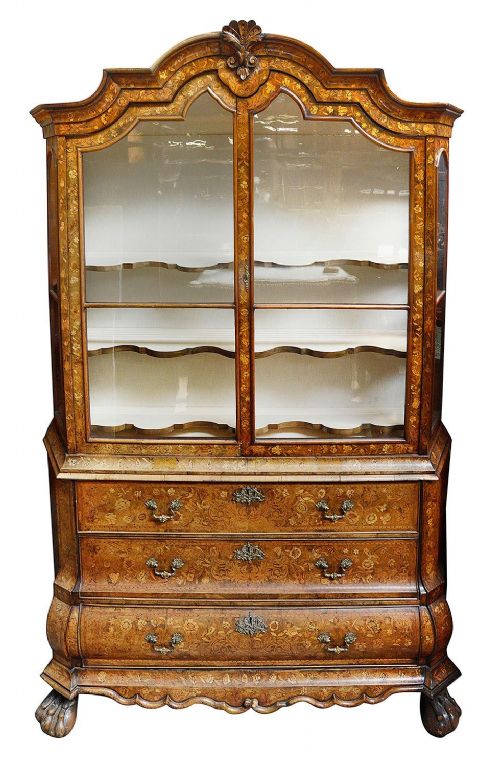
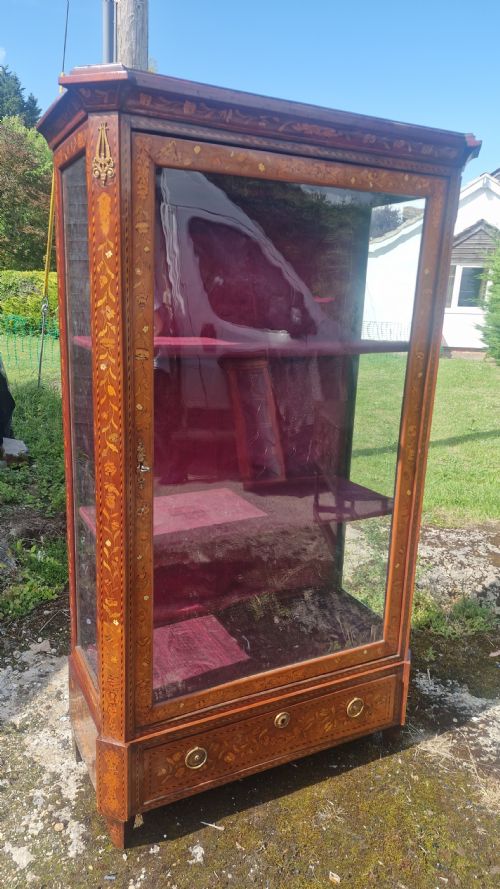
The version you are most likely to meet on this page is a walnut or burr walnut display piece featuring glazed upper doors and intricate floral marquetry. Many examples incorporate the distinctive bombé shape with swelling lower fronts.
Makers and makers' workshops employed traditional forms such as glazed cupboards and bookcases, ranging from compact corner units to very large freestanding display cases.
Materials and Construction
The primary carcases are built from walnut, oak, fruitwood, and satinwood, frequently enhanced by decorative veneers and burr walnut surfaces. Marquetry inlay utilises various contrasting timbers to create elaborate floral and pictorial patterns across the panels.
Glazing bars hold the glass panes of the upper display sections, while brass hardware such as hinges and keyplates secure the doors. Painted wood variants appear alongside polished timber finishes, showing the breadth of surface treatments used by cabinetmakers.
Dutch China Cabinet Retail Price Guide 2026
Typical asking prices for dutch china cabinet among the pieces listed under this phrase on Sellingantiques today, from the lower quarter to the upper quarter. They describe what is for sale here now, not the wider market.
Secret compartments in the bombé bases occasionally awaited discovery by those who stored their finest tea canisters out of sight.
Assessing Craftsmanship and Visual Impact
Quality rests in the precision of the marquetry inlay and the selection of figured timbers like burr walnut or satinwood. The crispness of carved details on oak and walnut carcases further separates standard production from finer work.
The proportion and balance of the bombé silhouette define the visual success of these cabinets. Subtle variations in patination and the warmth of the wood finish determine the presence of the piece in a room.
Edwards & Roberts
The Dutch China Cabinet Glossary
- Bombé
- A swelling or bulging outward contour on the lower section of a cabinet or chest. This curved profile is a hallmark of continental furniture design.
- Marquetry
- Decorative veneer work forming pictorial or floral patterns using various woods. Craftsmen assemble these thin pieces like a puzzle onto the furniture surface.
- Vitrine
- A glass-fronted display cabinet intended for the exhibition of porcelain and curiosities. The term originates from the French word for glass.
- Corner Cabinet
- A specialised storage piece designed to fit snugly into the internal corner of a room. These units make efficient use of space while providing display shelving.
Dutch China Cabinet: Frequently Asked Questions
What is a dutch china cabinet?
A dutch china cabinet is a glazed display piece created to house and exhibit fine porcelain and glassware behind glass doors. These cabinets frequently feature distinctive bombé lower sections and elaborate marquetry inlay.
They serve as both functional storage and prominent decorative furniture within a room, combining display space with lower drawer or cupboard capacity.
How do I date a dutch china cabinet?
Dating relies on examining the timber species, construction methods, and stylistic indicators such as marquetry motifs or hardware. Pieces range from the eighteenth century through the nineteenth and twentieth centuries.
Earlier examples often display hand-cut veneers and specific regional carving styles, while later revivals adopt similar traditional forms with nineteenth or twentieth-century joinery techniques.
Where were these cabinets placed?
These cabinets were traditionally positioned in formal reception rooms, dining parlours, or hallways to display valued china and glassware collections. Corner variants were specifically built to utilise unused room angles effectively.
Today, they function well in dining rooms or living spaces where glazed display space is required for decorative objects.
What woods were commonly used?
Walnut is the predominant primary timber, often enhanced by burr walnut veneers and fruitwood marquetry. Oak, satinwood, and painted wood finishes also appear across the surviving pieces.
Craftsmen selected these timbers for their ability to take fine veneers and support intricate inlay work without warping.