




Duplex Brass Oil Lamp
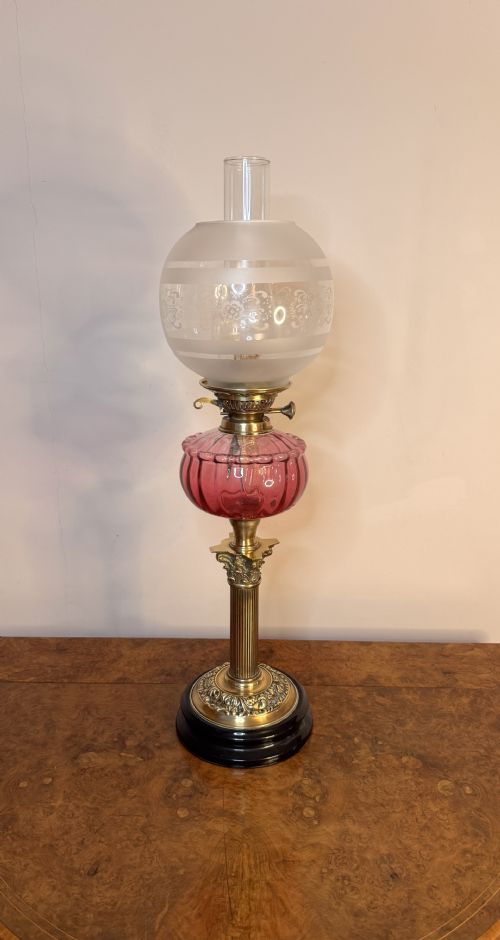
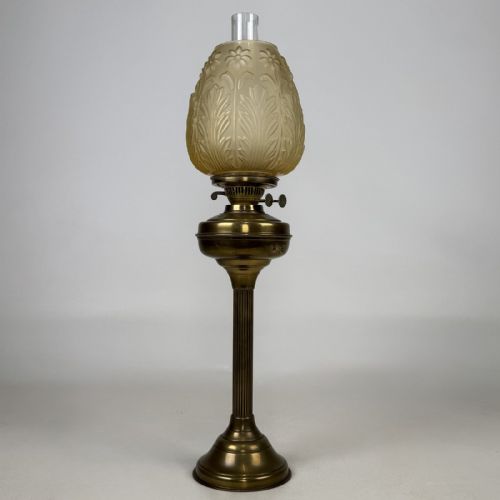
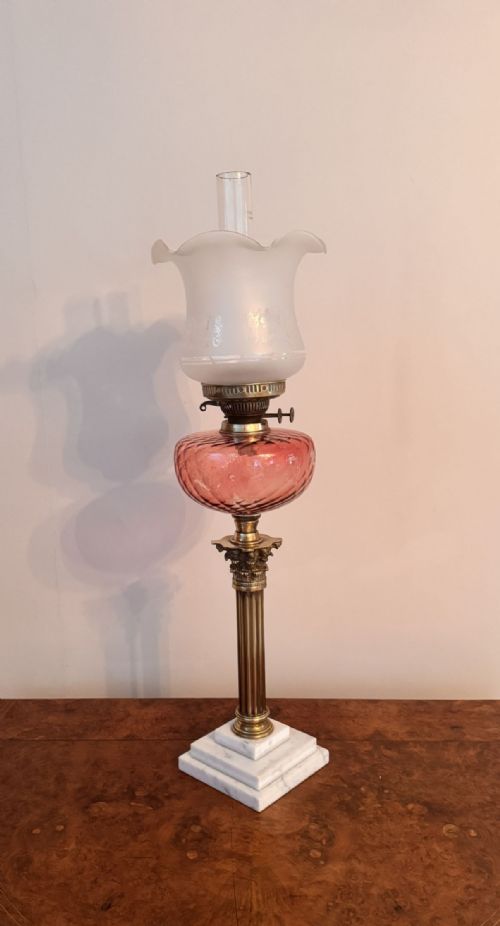
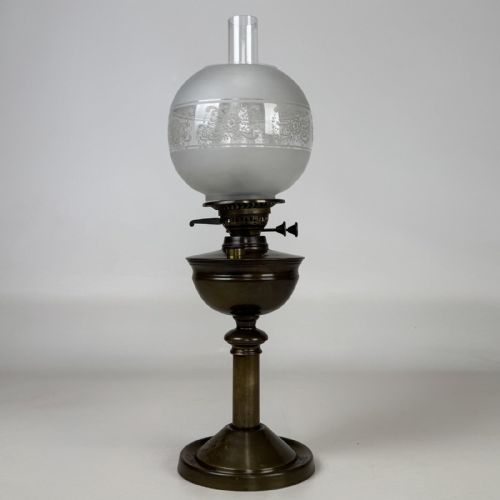
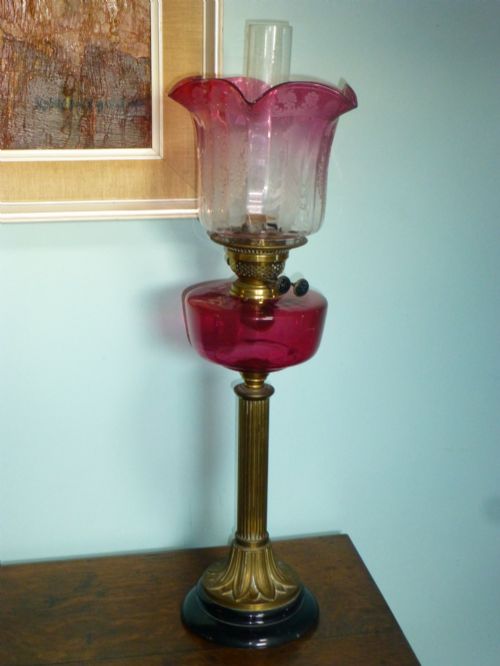
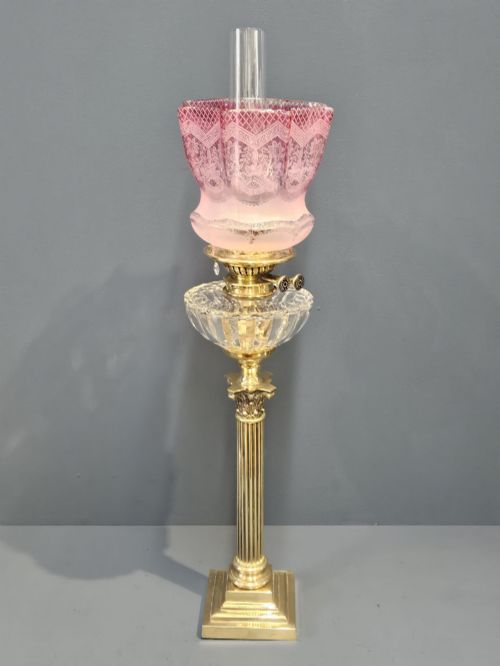
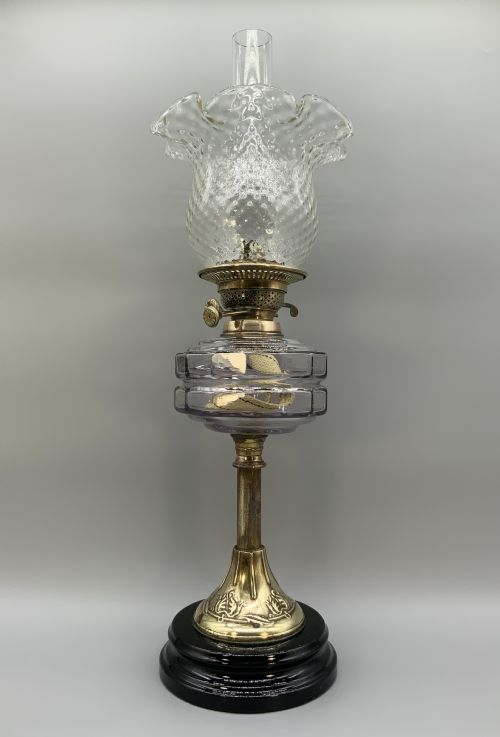
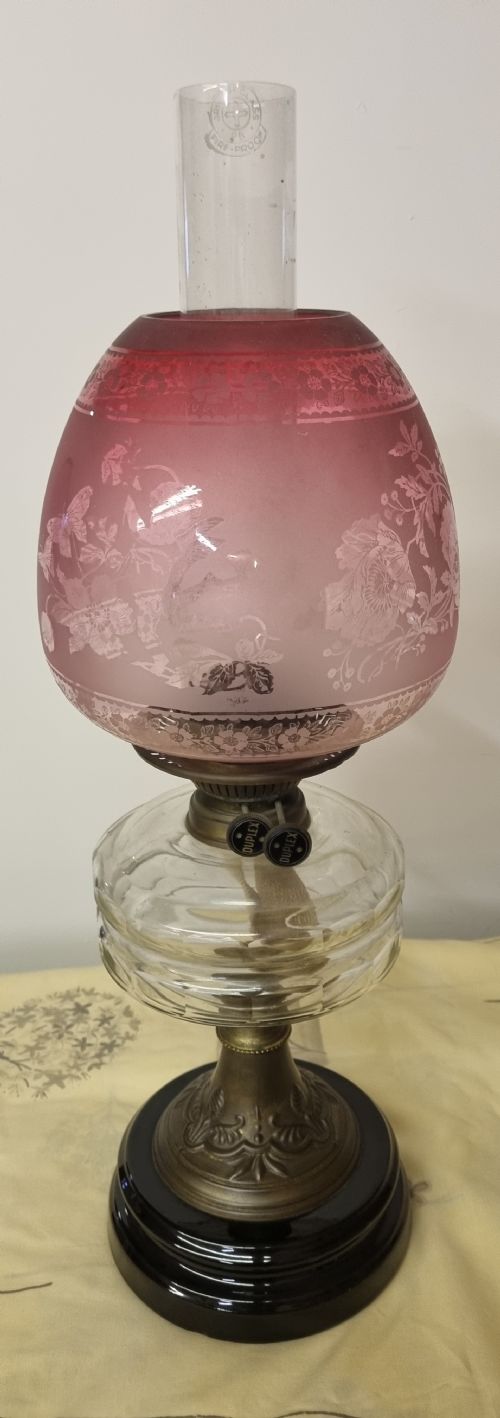
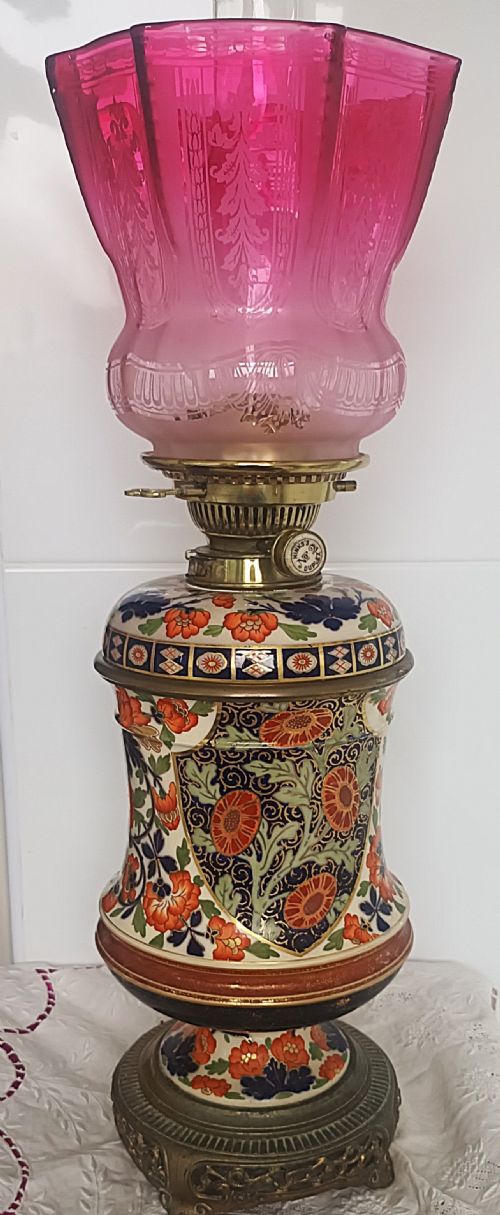
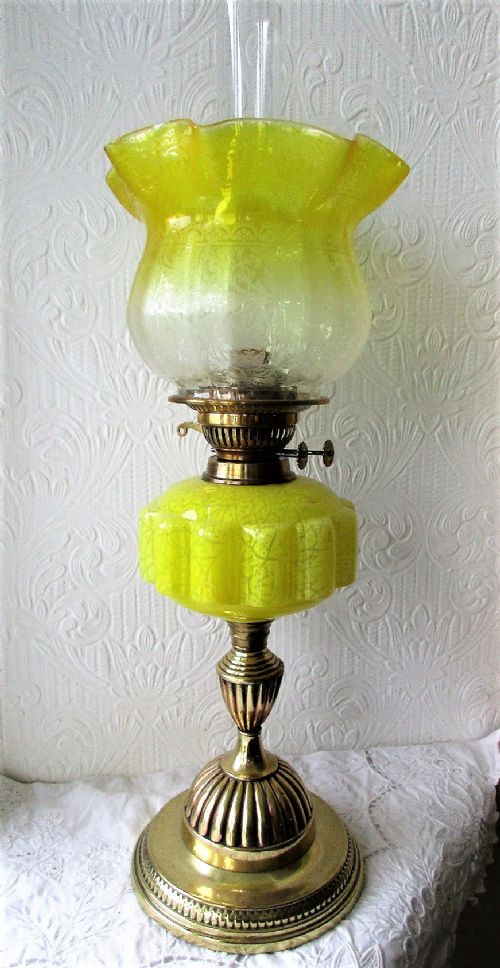
A duplex brass oil lamp brings heavy metal columns and twin-wick brightness into a room, offering functional period illumination.

Duplex Brass Oil Lamp
A duplex brass oil lamp uses a double-wick burner system to produce a brighter light than standard single-wick models, mounted on a durable metal reservoir and stand. When you search for a duplex brass oil lamp, you encounter tall column designs, telescopic stands, and table models dating from the Victorian and Edwardian eras.
Most examples combine solid brass with contrasting components such as ceramic fonts, glass columns, or richly coloured shades. The forms span classical revival column styles, reeded shafts, and flowing Art Nouveau contours produced across the nineteenth and early twentieth centuries.
How they were made
Manufacturers built these lamps by combining heavy cast and spun brass components with blown or etched glass. Metal reservoirs and columns provide structural weight, while burners utilise paired flat wicks controlled by twin thumbwheels to regulate the flame.
Shades and fonts incorporate specialist glasswork techniques, including hand-blown cranberry glass, opaline glass, frosted finishes, and cut crystal. Ceramic bodies and brass mounts are frequently integrated to create varied textural contrasts.
Duplex Brass Oil Lamp Retail Price Guide 2026
Typical asking prices for duplex brass oil lamp among the pieces listed under this phrase on Sellingantiques today, from the lower quarter to the upper quarter. They describe what is for sale here now, not the wider market.
What varies in quality
Quality rests in the weight of the casting, the precision of the burner mechanism, and the crispness of the column fluting or ornamentation. Heavier gauge brass and substantial glass reservoirs separate robust, high-end pieces from lighter, utilitarian alternatives.
The artistic merit of the shade also dictates standard, with hand-blown, deeply etched, or flash-coloured glass variants representing superior manufacturing execution compared to plain or pressed glass counterparts.
Hinks·Taylor Tunnicliff·Messenger·Young·Veritas
The Duplex Brass Oil Lamp Glossary
- Duplex burner
- A burner mechanism utilising two parallel flat wicks that deliver a wider flame and greater illumination than single-wick designs. This dual-wick system is central to the higher output expected from these lamps.
- Font
- The oil reservoir container positioned beneath the burner and above the main column or base. Fonts are frequently manufactured from brass, ceramic, or coloured glass.
- Corinthian column
- An architectural column style featuring an ornate capital decorated with acanthus leaves, frequently utilised for the stems of larger Victorian table lamps. This classical revival form provides significant vertical presence.
- Opaline glass
- An opaque, milky-white glass popular for Victorian and Edwardian lamp shades and bodies. It diffuses light softly while adding a solid pastel tone to the piece.
- Telescopic
- A descriptor for an adjustable-height stand that allows the lamp column to extend vertically. This mechanical adjustment permitted users to alter the height of the light source.
Duplex Brass Oil Lamp: Frequently Asked Questions
How do duplex burners work?
A duplex burner operates using two parallel flat wicks fed from a shared oil reservoir below. Turning the twin thumbwheels raises or lowers both wicks simultaneously to control the flame size.
This configuration draws more air and fuel to produce a significantly brighter light than standard single-burner lamps of the period.
Are these lamps safe to use with oil?
Many period oil lamps remain structurally sound, but modern safety standards require careful inspection of the metal reservoirs and seals before adding fuel.
Most buyers today choose to display them as decorative objects or have them professionally converted for electric lighting.
How do I identify a Victorian period lamp?
Victorian examples generally feature heavy cast brass components, classical revival columns, or rich cranberry and opaline glass shades. Examining the burner galleries often reveals period patent marks and maker names.
Later Edwardian and twentieth-century versions tend towards lighter brass construction and flowing Art Nouveau floral lines.
Can broken glass shades be replaced?
Replacement glass shades matching the original Victorian and Edwardian dimensions and fitter sizes can be sourced through specialist antique dealers. Matching the exact cranberry tint, etchings, or opaline finish requires patience as hand-blown antique glass varies considerably.
Checking the fitter gallery diameter on the brass collar ensures any replacement shade sits correctly.