



Draped Female Figure Statue
These draped female figure statue pieces capture classical forms in bronze, marble, porcelain, and stone, bringing enduring sculptural presence to interiors and gardens.
Draped Female Figure Statue
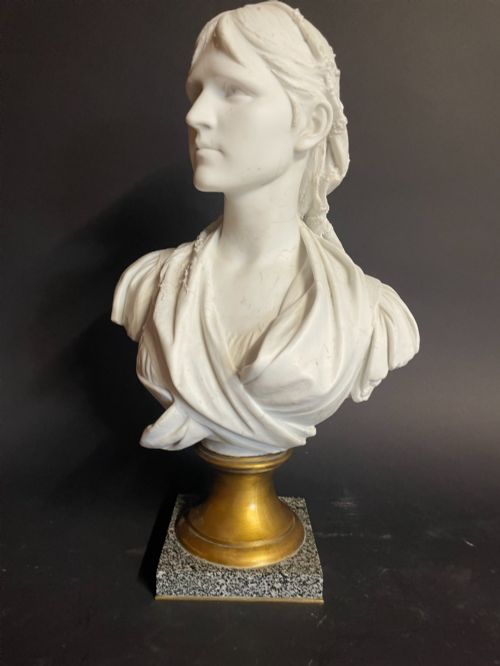
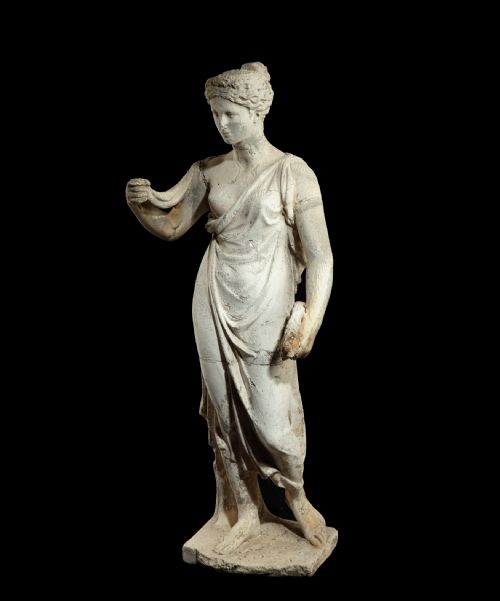
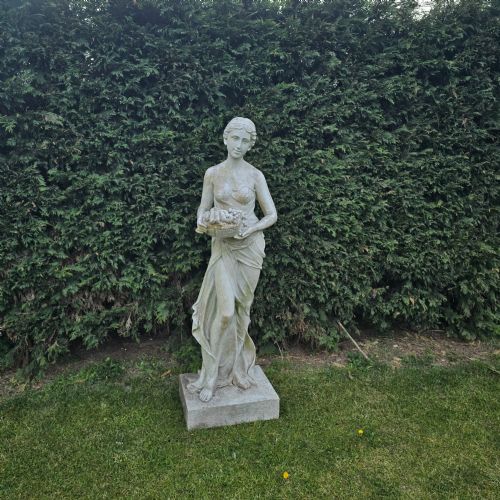
When you search for a draped female figure statue, you encounter works spanning the nineteenth century through the mid twentieth century, drawing heavily on neoclassical and art nouveau idioms. The selection encompasses interior sculptures, garden statues, and decorative figurines rendered in diverse scales.
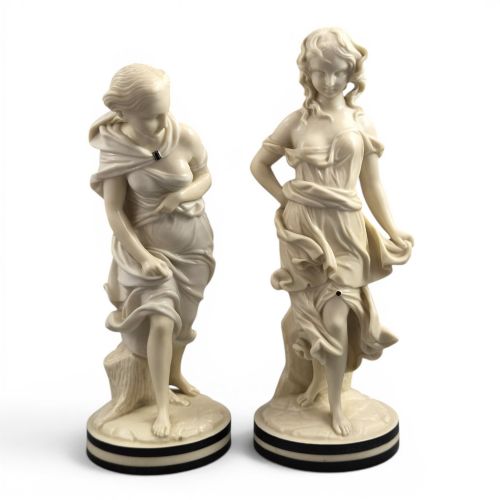
The assortment includes garden pieces in stone and reconstituted stone alongside finely detailed interior works in bronze, marble, alabaster, and porcelain. Makers and modellers interpret mythological figures, allegories of the seasons, and classical maidens with varying degrees of grandiosity and intimacy.
Materials and construction
Foundry cast bronzes demonstrate the lost-wax technique and patination methods typical of nineteenth-century French workshops, often bearing foundry marks or signatures. Carved pieces in marble and alabaster reveal skilled hand-chiselling of drapery and facial expressions.
Ceramic examples utilise porcelain, parian ware, and bisque, fired and glazed or left matte to emulate classical marble. Plaster and stucco figures provide interior alternatives, moulded with plaster compositions and finished with painted or patinated surfaces.
Draped Female Figure Statue Retail Price Guide 2026
Typical asking prices for draped female figure statue among the pieces listed under this phrase on Sellingantiques today, from the lower quarter to the upper quarter. They describe what is for sale here now, not the wider market.
Distinctions in execution
The reputation of the foundry, sculptor, or porcelain manufactory heavily influences distinction, with signed works by known modellers commanding greater artistic interest. Material integrity and the survival of original patinas or polychrome details further separate standard decorative items from masterworks.
Barbedienne·James Hadley·Humphrey Hopper·Ernst Barrias·Pugi·Ernst Wahliss·Georges Van Der Straeten·Auguste Moreau·Antoine Coysevox
The Draped Female Figure Statue Glossary
- Neoclassical
- A style reviving the classical ideals of ancient Greece and Rome, characterised by restrained dignity and balanced proportions. It dominates much of the nineteenth-century sculpture found in this category.
- Parian Ware
- A fine-grained, unglazed porcelain resembling white marble, developed in the nineteenth century for statuettes and busts. Royal Worcester produced notable examples in this medium.
- Torchere
- A tall stand or ornamental pedestal designed to support a lamp, or a figure sculpture holding a light source. Several nineteenth-century examples incorporate draped female forms.
- Caryatid
- A sculpted female figure serving as an architectural support taking the place of a column or pier. French plaster pairs of these figures appear in interior settings.
- Patina
- The surface coloration and texture developed through age or chemical treatment on bronze and metal sculptures. A desirable patina adds depth and character to the metalwork.
Draped Female Figure Statue: Frequently Asked Questions
Where should I place a heavy marble sculpture?
Heavy marble and stone sculptures require stable, level flooring capable of supporting substantial weight without shifting. Placing them away from high-traffic zones prevents accidental impacts.
For garden stone statues, positioning them on a solid plinth or paved base protects the material from rising ground damp and frost damage during winter months.
How do I clean nineteenth-century bronze figures?
Dust bronze figures regularly with a soft, dry brush to prevent particulate accumulation in the crevices of the drapery. Avoid harsh chemical cleaners or abrasive cloths that strip the original patina.
An occasional application of microcrystalline wax helps protect the metal surface from atmospheric moisture and handling oils.
What is the difference between parian ware and bisque porcelain?
Parian ware is a specific type of porcelain formulated with a high feldspar content to fire at a lower temperature and vitrify into a dense, marble-like finish. Bisque porcelain is biscuit-fired and unglazed, possessing a more porous, chalky texture.
Both materials were widely utilised in the nineteenth century for replicating classical statuary in miniature.
Can these stone statues remain outside all year?
Cast stone and reconstituted stone garden statues withstand outdoor environments, but prolonged exposure to freezing temperatures can cause trapped moisture to expand and crack the material. Lifting statues off the soil onto stone feet or plinths mitigates moisture absorption.
Covering vulnerable pieces during severe winter freezes extends their lifespan considerably.