




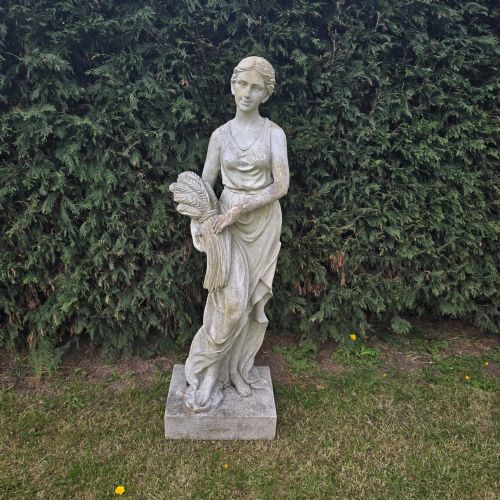
Classical Female Stone Sculpture
Classical female stone sculpture brings myth and history indoors and to gardens through carved marble, alabaster and cast stone.
Classical Female Stone Sculpture
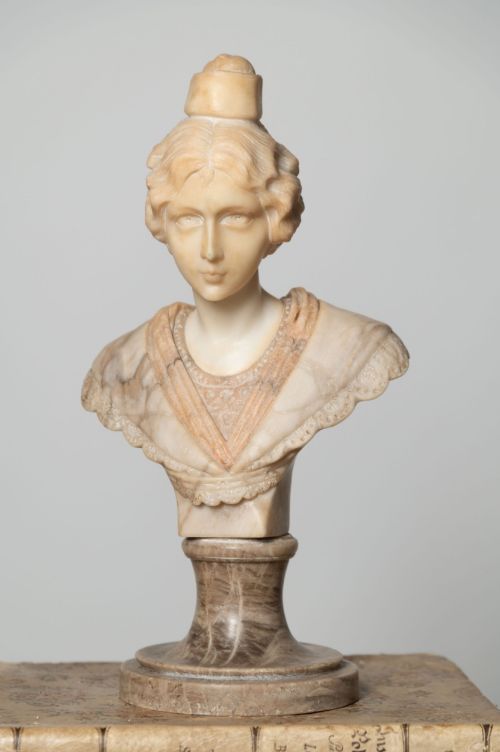
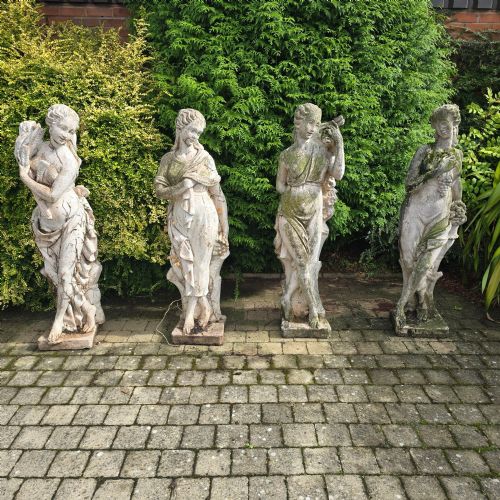
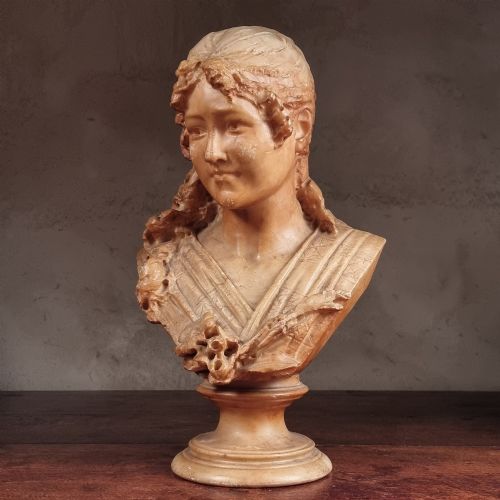
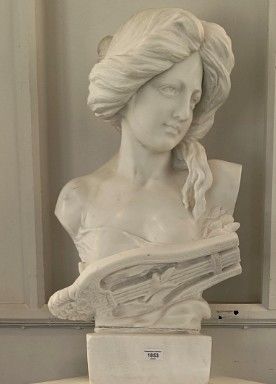
Classical female stone sculpture depicts mythological figures, muses, goddesses and idealized ladies carved or cast in durable media. These pieces span the seventeenth, eighteenth, nineteenth and twentieth centuries, taking the form of busts, full-length statues and garden figures.
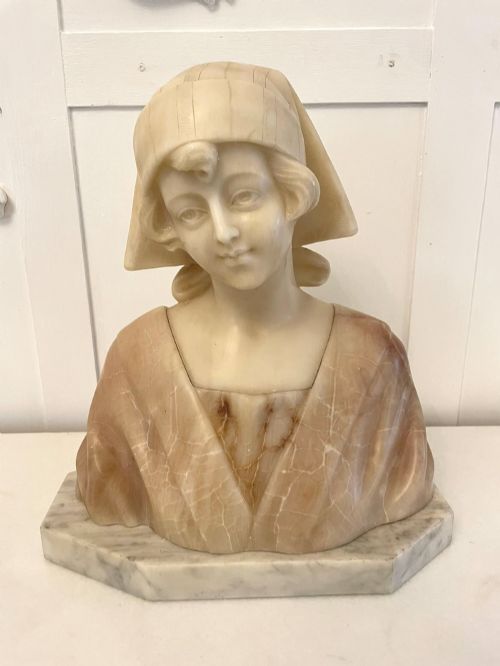
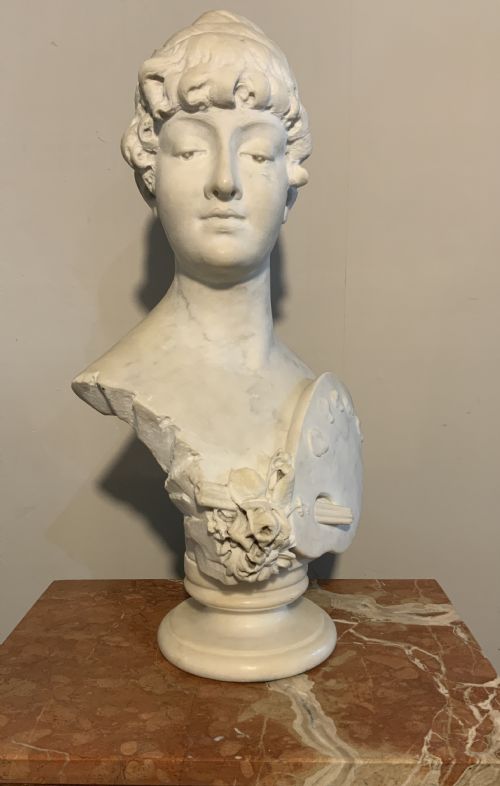
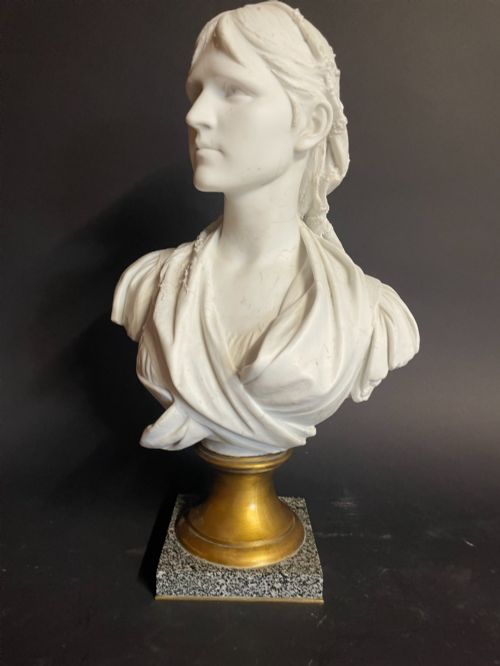
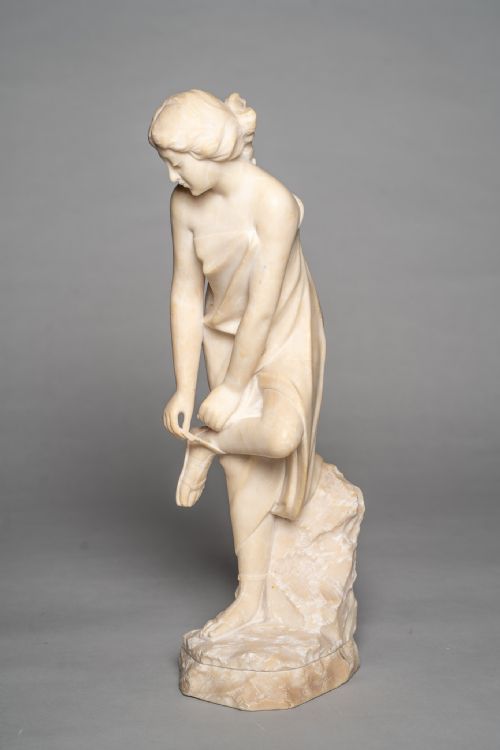
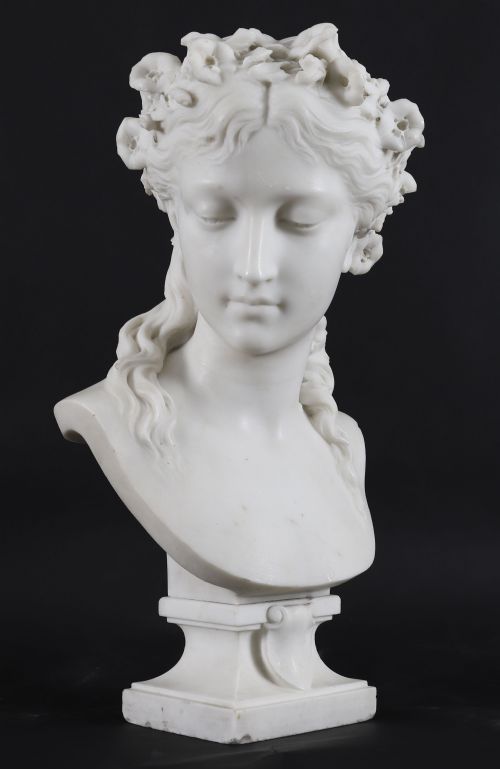
The most common examples on this page are nineteenth-century marble busts and early twentieth-century alabaster sculptures portraying classical maidens. Buyers encounter interpretations of subjects like Venus, Athena, and historical portraits reflecting neoclassical and Victorian tastes.
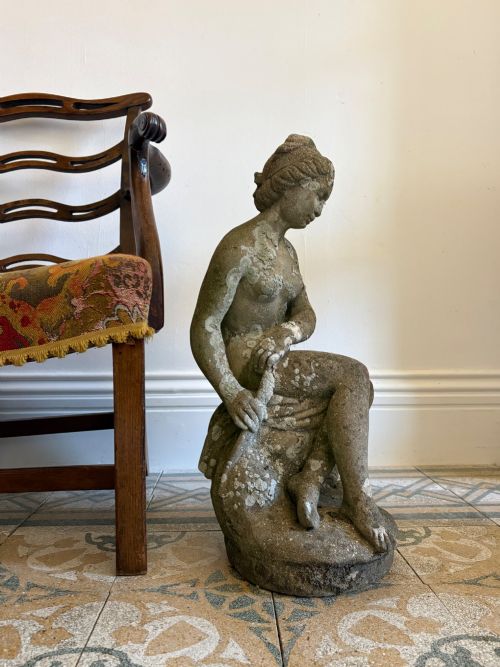
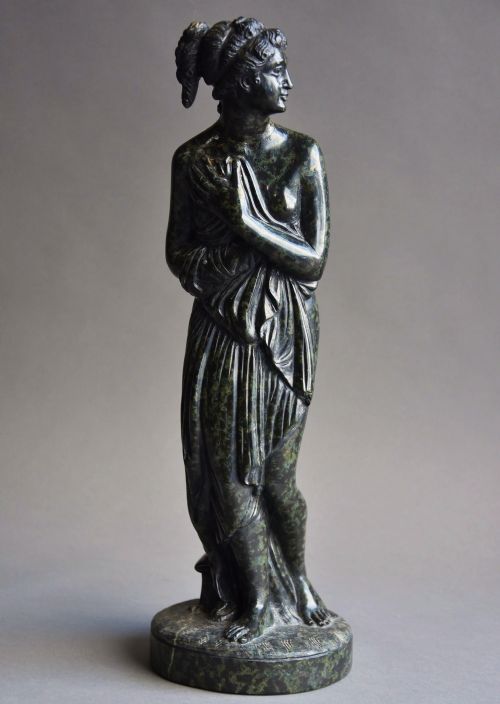
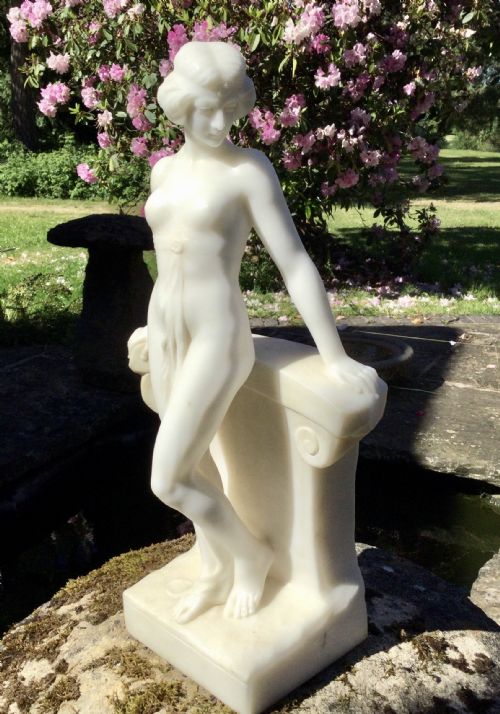
Forms range from life-sized garden statues in reconstituted stone to delicate interior alabaster nudes and serpentine collector figures. Each piece captures a specific historical revival of classical antiquity, from French classical to Victorian interpretations.
Materials and carving techniques
Sculptors utilised white marble, Carrara marble and soft alabaster for interior busts and figures, employing hand-chiselling and polishing techniques to render drapery and skin textures. These materials allow for subtle gradations of light across carved surfaces.
Garden pieces and larger architectural figures utilise cast stone, reconstituted stone and solid stone to withstand outdoor weathering over decades. These mediums combine aggregate and binders, sometimes set upon cast iron stands or plinths.
Classical Female Stone Sculpture Retail Price Guide 2026
Typical asking prices for classical female stone sculpture among the pieces listed under this phrase on Sellingantiques today, from the lower quarter to the upper quarter. They describe what is for sale here now, not the wider market.
Several ladies hold lamps or rest as reclining nudes, illuminating the domestic spaces of nineteenth-century collectors.
Defining quality in stone sculpture
Quality rests in the anatomical precision of the carving, the finesse of the facial expression and the crispness of the drapery folds. Master carvers achieve lifelike softness in hard marble, whereas lesser pieces display rigid lines and uninspired proportions.
The choice of material dictates upper tiers of quality, particularly translucent alabaster or fine-grained Carrara marble with minimal natural flaws. Signed works by documented sculptors command greater attention than anonymous workshop output.
Antonio Canova·Eugene Aizelin·Carrier-Belleuse·Fritz Kochendorfer·Pugi
The Classical Female Stone Sculpture Glossary
- Alabaster
- A soft, fine-grained stone used for interior sculptures, prized for its translucent quality that mimics human skin.
- Carrara marble
- A high-grade white or blue-grey marble quarried in Italy, historically favoured by classical and neoclassical sculptors.
- Neoclassical revival
- An artistic movement spanning the eighteenth and nineteenth centuries that drew direct inspiration from the art of ancient Greece and Rome.
- Serpentine
- A dark green silicate mineral often polished and used for small decorative collector figures.
- Reconstituted stone
- A manufactured material made from crushed stone and binders, moulded into statues for garden display.
Classical Female Stone Sculpture: Frequently Asked Questions
How do I clean marble sculptures?
Dust marble gently with a soft dry cloth and avoid harsh chemical cleaners that strip the surface patina. Water should be used sparingly, and professional restoration is recommended for valuable pieces.
Alabaster requires particular care because it dissolves in water and scratches easily under abrasive cloths.
Can these garden statues stay outside in winter?
Cast stone and reconstituted stone statues tolerate outdoor environments, but freezing water can crack porous natural stone or marble. Move delicate garden pieces indoors during severe frost.
Covering statues with breathable protective sheeting helps prevent weather staining.
How do I tell nineteenth-century marble from modern copies?
Examine the tool marks and weathering patterns; period pieces show hand-chiselling and natural ageing rather than uniform machine casting. The quality of the polish and anatomical depth also indicate period authenticity.
Consulting signatures and material density provides further context for dating.
Where were these alabaster busts displayed originally?
Alabaster busts and figures decorated nineteenth-century drawing rooms, libraries and grand entrance halls on pedestals or mantelpieces. Their translucent material was chosen for interior lighting conditions.
They formed part of the Grand Tour collection tradition among European travellers.