


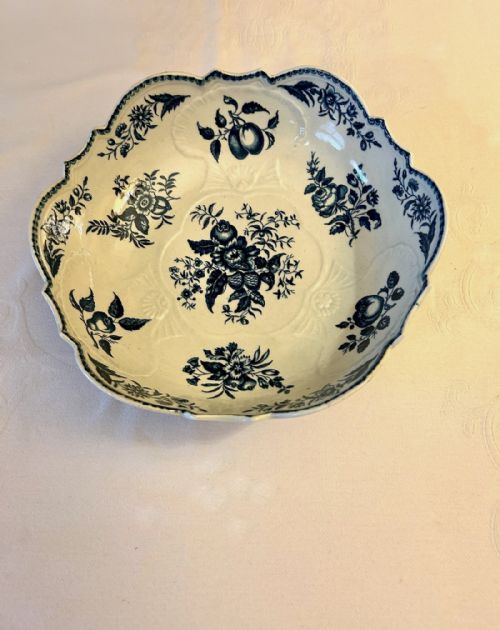


Dr Wall Porcelain Bowl
A dr wall porcelain bowl represents eighteenth-century ceramic achievement, offering collectors delicate tea wares and table pieces decorated in cobalt glaze or polychrome enamel.
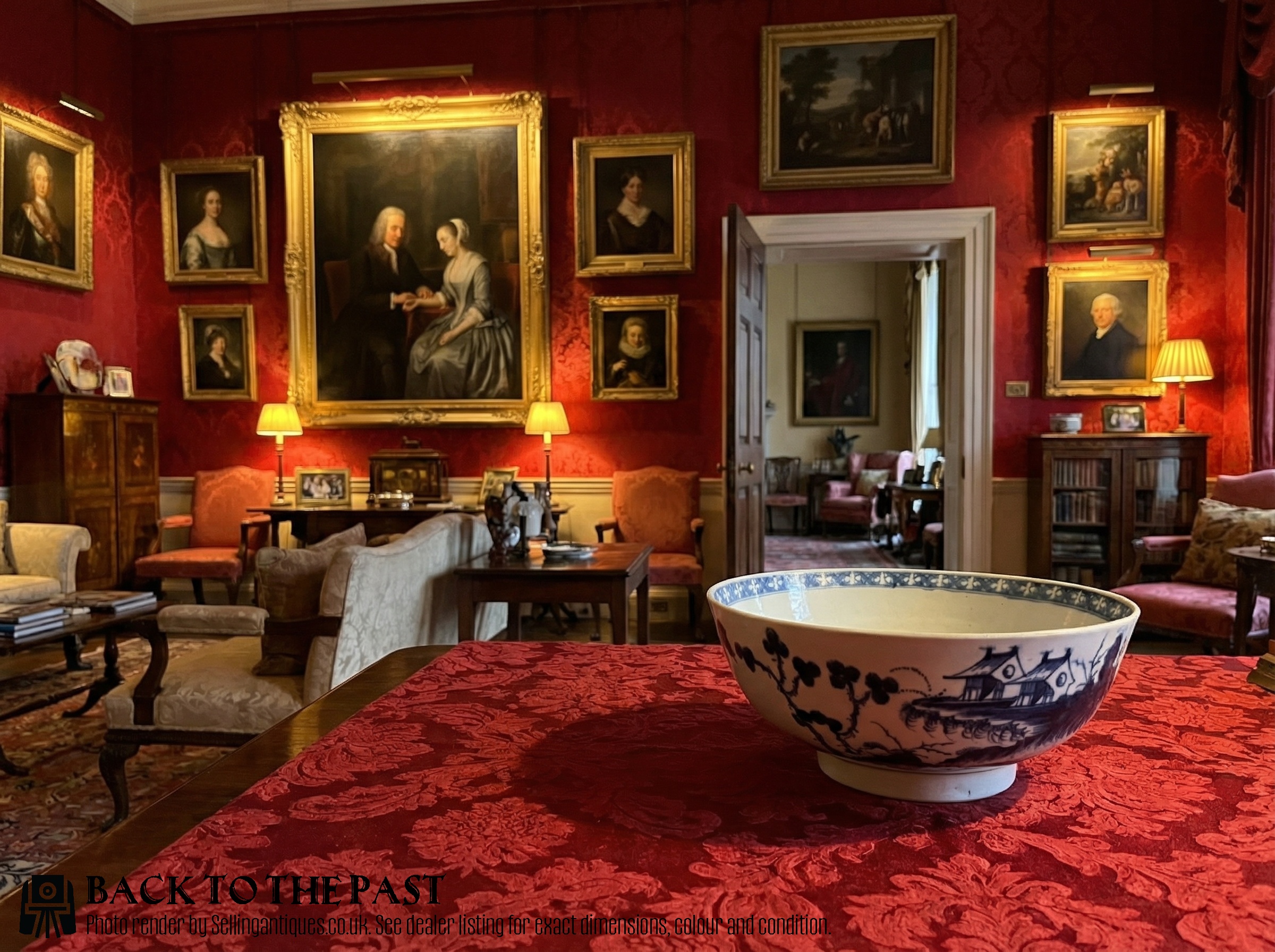
Dr Wall Porcelain Bowl
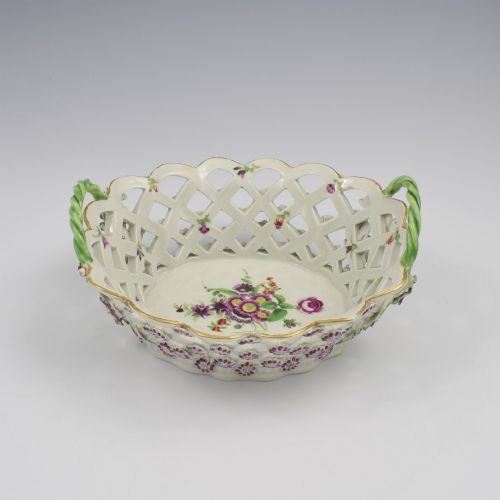
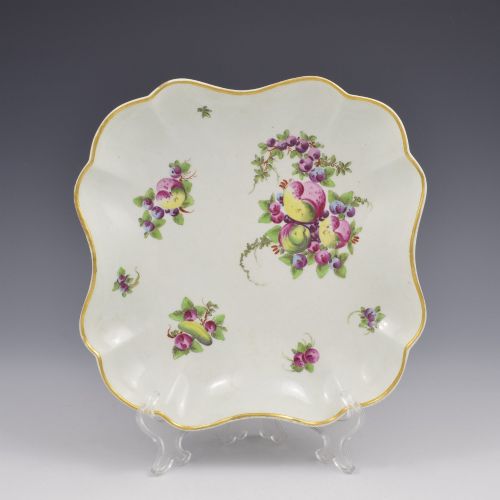
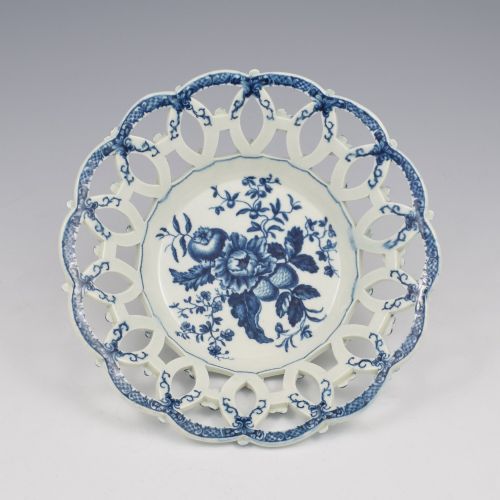
A dr wall porcelain bowl encompasses various eighteenth-century forms, ranging from utilitarian slop bowls and sugar basins to elaborate dessert dishes and decorative chestnut baskets. These pieces belong to the Georgian era, specifically the First Period of the Worcester manufactory.
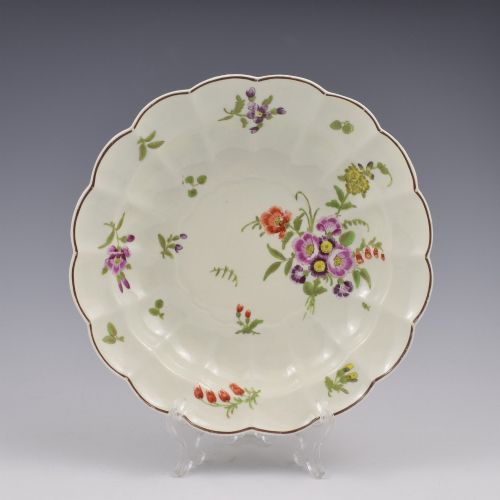
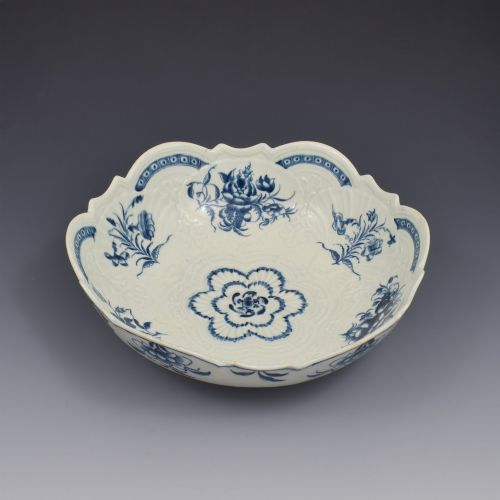
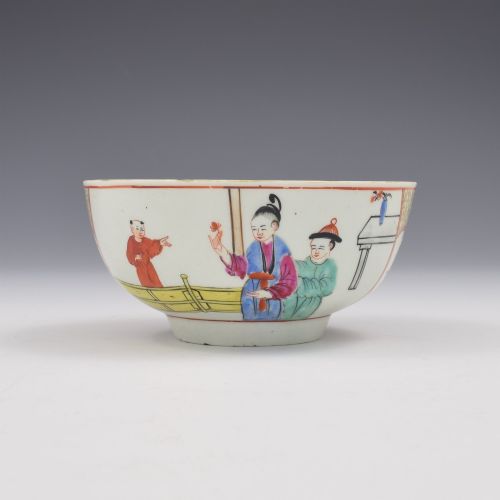
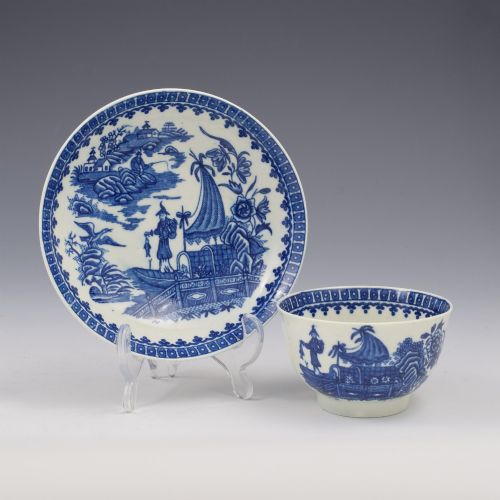
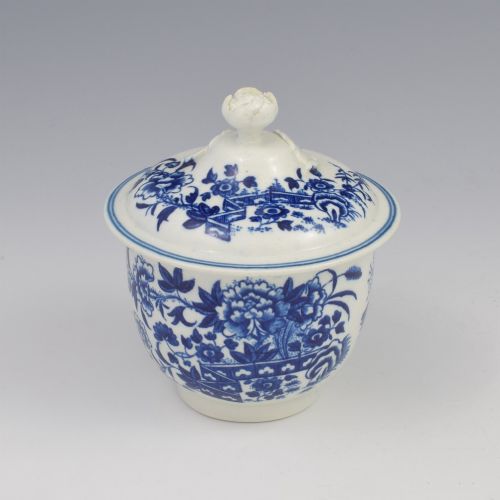
Tea bowls and saucers dominate the domestic output, often paired with matching sucriers or punch bowls featuring transfer-printed or hand-painted patterns. Collectors frequently encounter cobalt blue and white designs alongside polychrome enamel decoration depicting Chinese figures or floral sprays.
Larger items such as junket dishes and square lobed dessert plates demonstrate the factory's ambition beyond simple tea wares. These table pieces reveal the refined taste of Georgian households through moulded elements and intricate border patterns like turquoise guilloche or blue scale.
Materials and production methods
The manufactory utilised a soft-paste porcelain recipe incorporating soapstone, which yielded a characteristic warm body under the glaze. This specific composition required careful kiln management during firing to achieve the desired translucency and surface finish.
Decoration relied upon cobalt glaze applied beneath the glaze for durable blue and white patterns, complemented by overglaze enamel painting for polychrome effects. Artisans also applied gilding to highlight moulded rims and floral motifs on select dessert dishes and tea wares.
The documented objects span utilitarian tea bowls, slop bowls, and punch bowls alongside decorative chestnut baskets and dessert dishes.
Distinctions in craftsmanship
Quality diverges between brisk commercial output and meticulously painted display pieces, visible in the precision of the brushwork and the clarity of the cobalt underglaze. Superior examples display crisp moulding on baskets and fluted surfaces, whereas standard items show minor kiln anomalies.
The complexity of the painted motif separates ordinary domestic items from ambitious gallery pieces like the Mandarin figures or polychrome chestnut baskets. Rich enamel palettes and detailed gilding elevate individual bowls and dishes above standard blue and white tablewares.
The Dr Wall Porcelain Bowl Glossary
- Soft-paste porcelain
- A ceramic composition made from glass paste and white clay rather than hard-paste materials like kaolin. This body type defines eighteenth-century English wares from Worcester.
- Cobalt glaze
- A metallic oxide pigment used to produce deep blue decoration beneath the clear glaze. It withstands high firing temperatures without losing intensity.
- Slop bowl
- A large vessel used during tea service to receive the dregs from cups before pouring fresh tea. These basins often match the smaller tea bowls in pattern.
- Junket dish
- A shallow ceremonial vessel designed for serving curd or cream desserts at Georgian dining tables. They frequently feature moulded lattice or basketwork exteriors.
- Sucrier
- A covered vessel intended for holding lump or granulated sugar during the tea service. These often accompany matching tea bowls and saucers.
Dr Wall Porcelain Bowl: Frequently Asked Questions
How do I identify a First Period Worcester bowl?
Examination of the paste under transmitted light reveals a warm, slightly creamy translucency characteristic of eighteenth-century soapstone porcelain. Close inspection of the base often uncovers workman marks rather than factory stamps.
Decoration styles and specific patterns such as Pine Cone or Fence provide further chronological markers. Most authentic pieces date between seventeen-sixty and seventeen-ninety.
Were these bowls used for everyday dining?
Georgian households utilised these delicate soft-paste vessels primarily for formal social tea ceremonies and dessert courses. Punch bowls and slop bowls served central roles during communal gatherings.
Due to the fragile nature of the material, owners handled them with care during gatherings. Many survived within cabinet collections rather than active daily service.
How should I display my porcelain bowls?
Placement inside stable, enclosed cabinetry protects these eighteenth-century pieces from accidental impact and dust accumulation. Adequate interior lighting highlights the delicate blue and white painting or polychrome enamels.
Avoid positioning cabinets in direct sunlight to prevent gradual fading of overglaze enamel colours. Ensure shelves provide level support for items with foot rings.
What is the difference between tea bowls and modern cups?
Eighteenth-century tea bowls were produced without handles, requiring the drinker to hold the vessel by the rim and base. They were designed to cool hot tea rapidly when paired with matching saucers.
Modern cups incorporate handles for ease of drinking and feature thicker walls for heat retention. Tea bowls demand a different tactile interaction during use.