

Double Bed Headboard
A double bed headboard anchors the room, bringing period character and substantial presence to the wall behind the mattress.
Double Bed Headboard
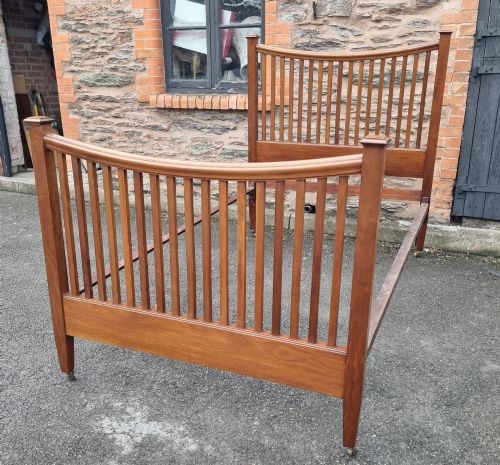
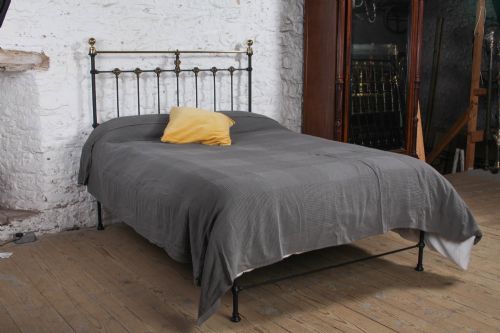
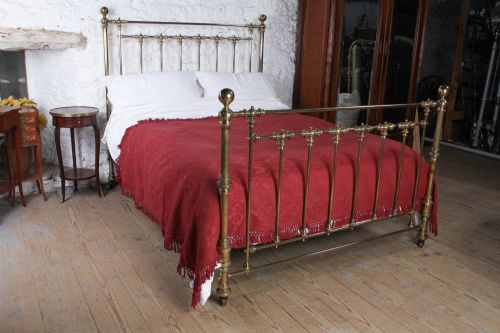
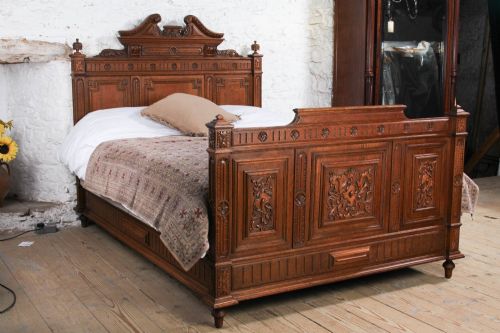
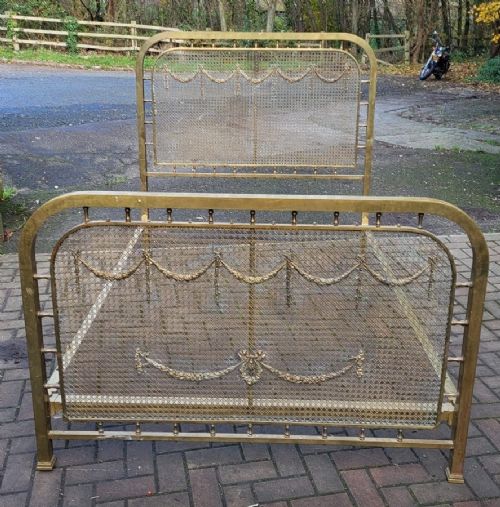
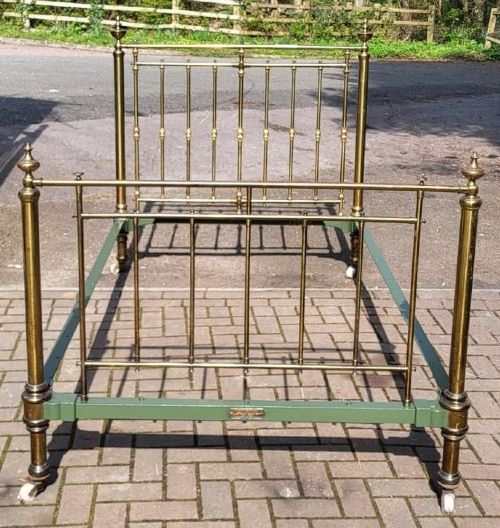
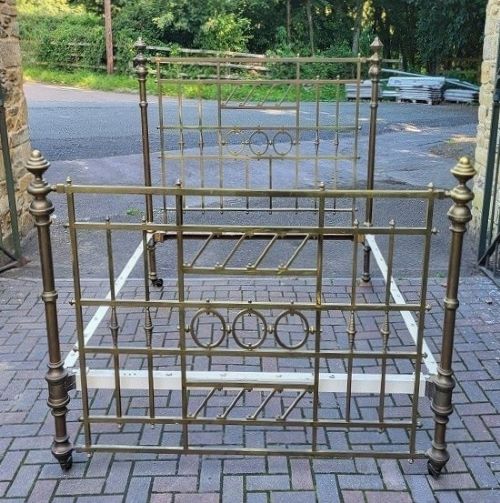
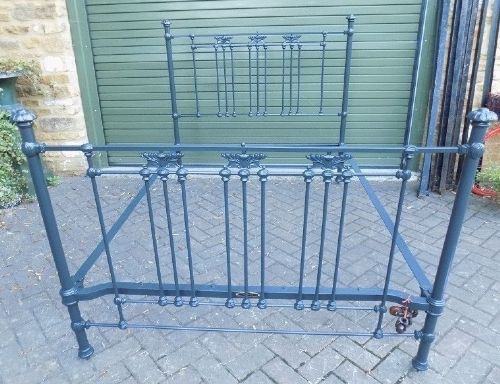
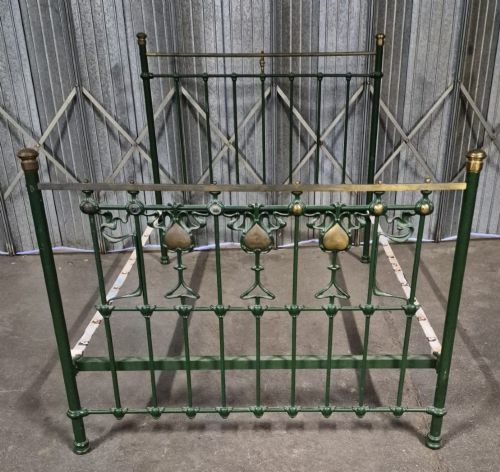
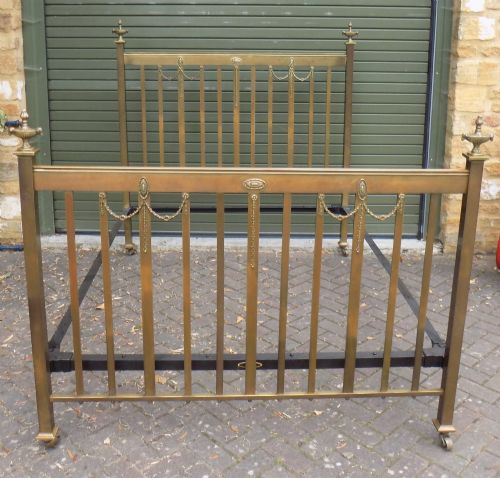
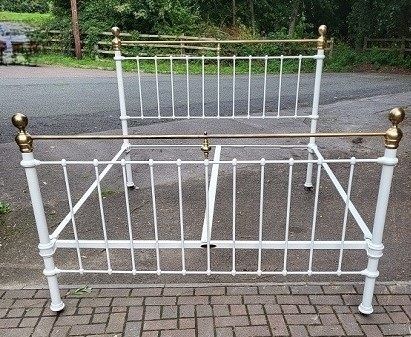
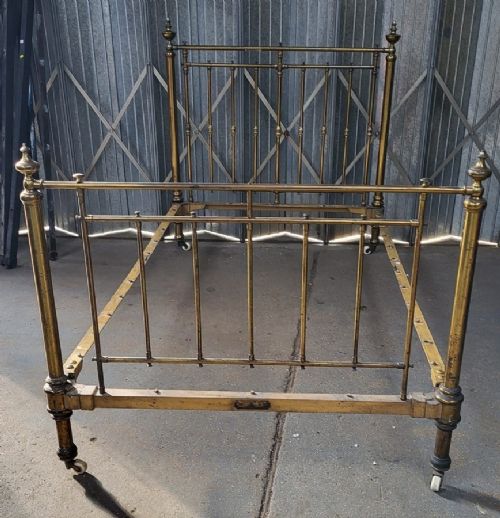
When searching for a double bed headboard, buyers encounter substantial timber and metal framing originating from the nineteenth and early twentieth centuries. The selection spans robust Victorian cast iron and gleaming brass bedsteads alongside Edwardian mahogany and burr walnut frameworks. These pieces reflect historical sleeping arrangements, often converted or adapted from complete antique bedsteads into functional headboards for modern bedrooms.
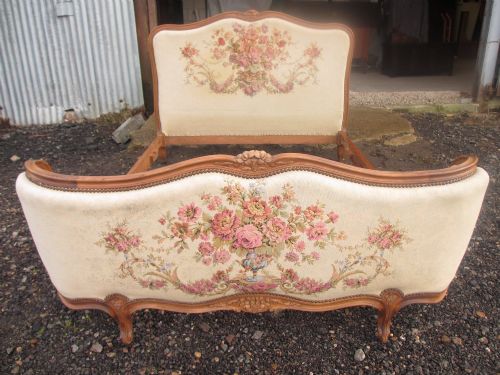
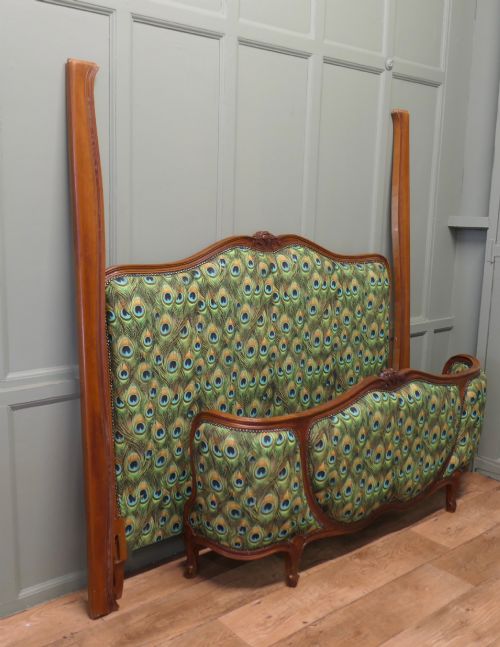
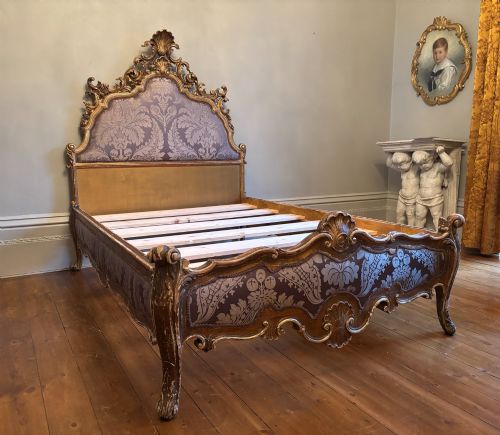
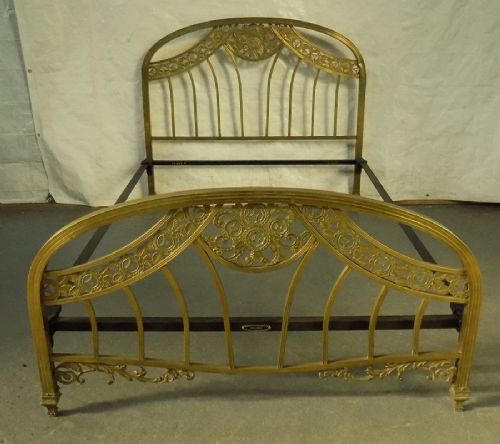
The aesthetic range draws heavily on traditional craftsmanship, including French Louis XVI style revivals, Art Nouveau curves, and geometric Art Deco veneered panels. Walnut, oak, and cherry woods appear frequently alongside polished metals, offering both warm timber grains and bright metallic accents. Buyers typically find examples that combine solid structural foundations with ornate surface carvings or upholstered button-backed panels.
Materials and Construction Techniques
Construction relies on durable hardwoods such as mahogany, walnut, and oak, often enhanced by decorative burr walnut or cherry veneers applied to central panels. Timber sections demonstrate traditional joinery methods, including hand-carved moulding and shaped wooden frames designed to support upright stability. Selected pieces incorporate cane work or fabric upholstery secured with traditional tacks.
Metal components utilise heavy cast iron and solid brass, sometimes finished with verdigris patination or polished to a bright sheen. Tubing, tapered posts, and ornate cast junctions form rigid structures intended to withstand daily use. Iron frames often include slot-in mechanisms and castors for mobility, while brass fittings provide decorative contrast.
Double Bed Headboard Retail Price Guide 2026
Typical asking prices for double bed headboard among the pieces listed under this phrase on Sellingantiques today, from the lower quarter to the upper quarter. They describe what is for sale here now, not the wider market.
Listings feature oak, walnut, mahogany, and burr walnut alongside solid brass and cast iron frames.
Judging Quality in Antique Headboards
The distinction between standard and superior pieces rests on the depth of carving, the choice of timber veneers, and the integrity of the metal casting. High-quality examples display crisply detailed foliage, balanced proportions, and carefully matched burr walnut figures that demonstrate superior cabinet-making skills. Lesser pieces rely on simpler moulded edges and plain timber surfaces with minimal ornamentation.
James Shoolbread and Co·Winfield
The Double Bed Headboard Glossary
- Bedstead
- A framework of a bed supporting the mattress and springs. It includes head and foot sections, and sometimes side rails.
- Burr walnut
- Timber taken from a growth on a walnut tree, producing swirling, highly decorative grain patterns. It is sliced into thin veneers for cabinet fronts.
- Verdigris
- A green patina formed naturally on copper, brass, or bronze surfaces through atmospheric oxidation over long periods.
- Louis XVI style
- A neoclassical design movement characterised by straight lines, symmetrical geometry, and classical architectural motifs inspired by ancient Rome.
- Caning
- Woven rattan or split cane material used to create open, patterned panels within wooden chair backs and bed frames.
Double Bed Headboard: Frequently Asked Questions
How do I attach an antique headboard to a modern bed?
Most antique wooden and metal frames require custom brackets or timber battens to secure the upright structure safely to standard contemporary divan bases. Professional fitters often adapt the original mounting points or attach the piece directly to the wall behind the mattress.
Ensuring secure wall fixing prevents movement against plaster and protects fragile antique joints from stress during daily use.
Can complete antique bedsteads be converted into headboards?
Many surviving frames undergo careful separation so the primary decorative section serves as a headboard while retaining its original proportions. This preserves the carved woodwork or metal casting for contemporary bedroom layouts without requiring a full antique bed.
Craftsmen retain the principal decorative panel and seal any exposed cut ends to match the historic finish of the timber or metal.
How do I clean and maintain polished brass components?
Routine maintenance involves gentle dusting with a soft, dry microfiber cloth to prevent surface grime accumulation on polished metal surfaces. Avoid harsh chemical cleaners that strip the protective lacquer or accelerate tarnishing on older brass.
Applying a thin coat of microcrystalline wax helps protect the metal from atmospheric moisture and preserves the natural vintage lustre.
What is the difference between Victorian and Edwardian wood styles?
Victorian woodwork tends to be heavier, darker, and more ornate, featuring deep relief carvings, dense mahogany, and imposing proportions. Edwardian pieces often exhibit lighter tones, simpler geometry, and refined satinwood or mahogany veneers influenced by eighteenth-century revivals.
Both periods utilise solid construction methods, but Edwardian designs generally favour brighter, more streamlined aesthetics suited to smaller rooms.