

Document Filing Drawers
Document filing drawers organise paperwork efficiently, bringing period character and practical storage to modern workspaces through durable antique timber construction.
Document Filing Drawers
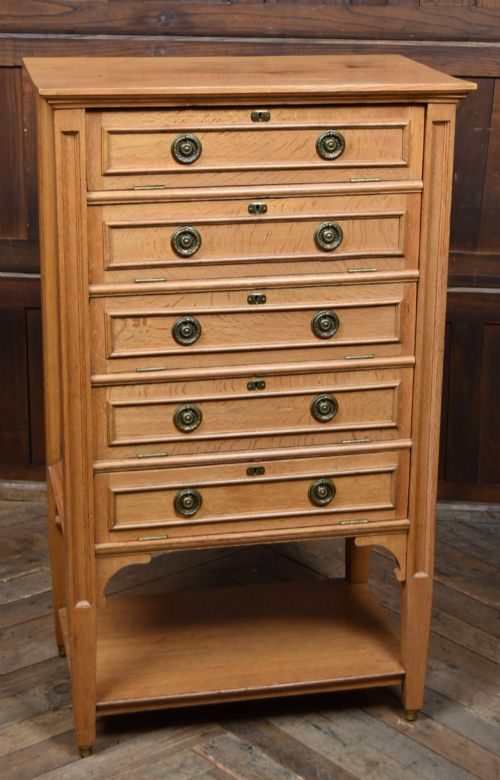
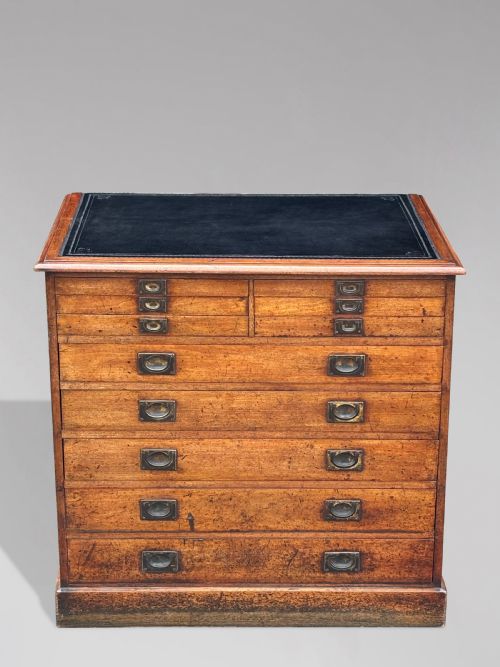
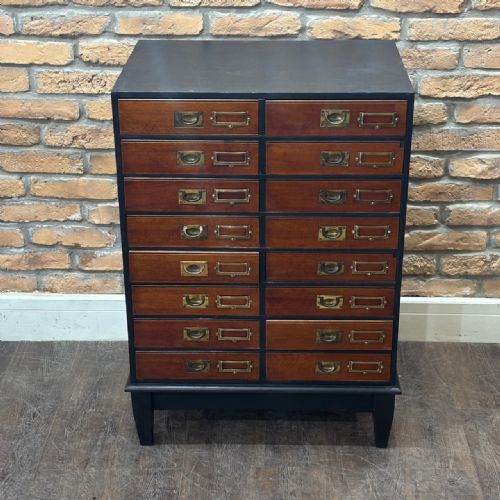
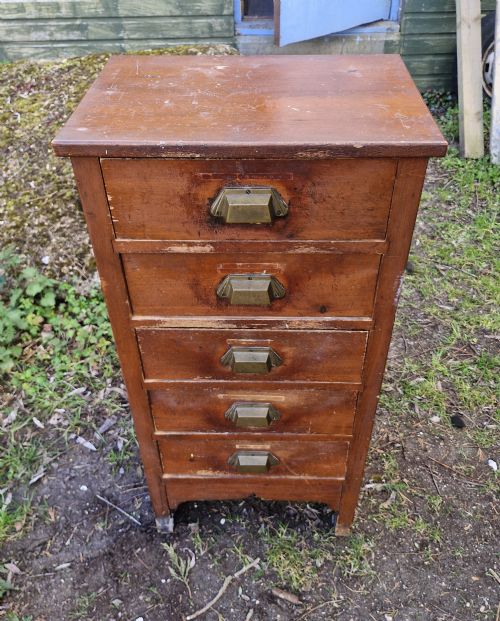
Document filing drawers span multiple decades from the nineteenth century through the early twentieth century, taking the form of filing cabinets, banks of drawers, and modular letter files. These practical pieces originate from commercial offices, institutions, and domestic studies where heavy paperwork required systematic organisation.
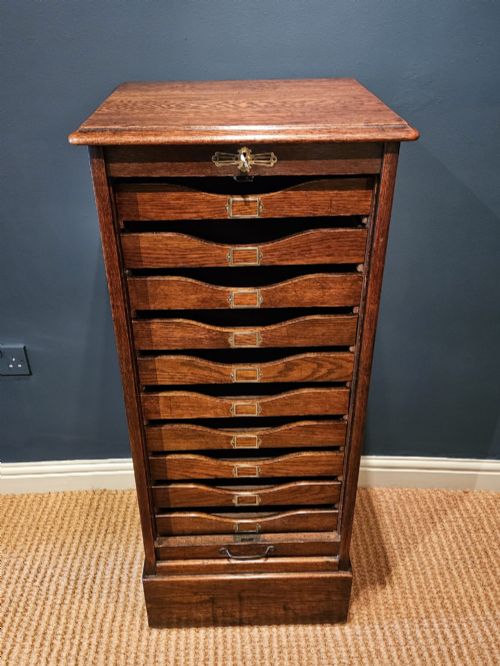
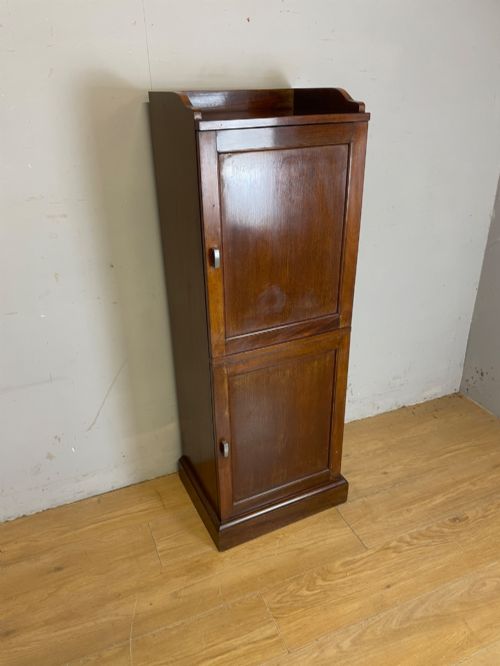
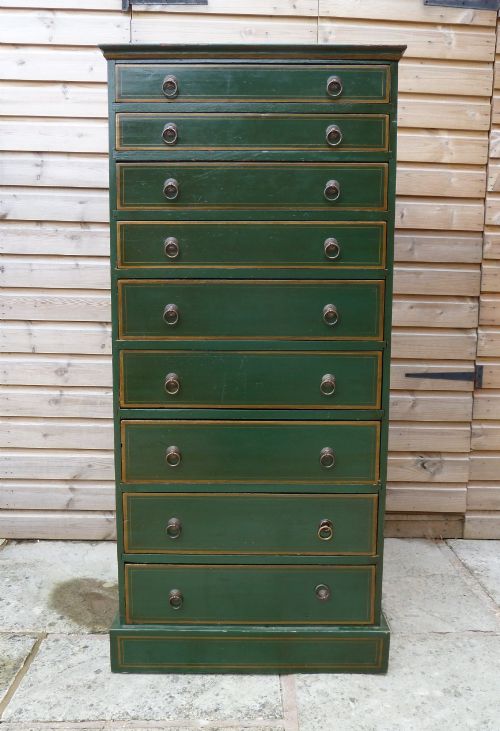
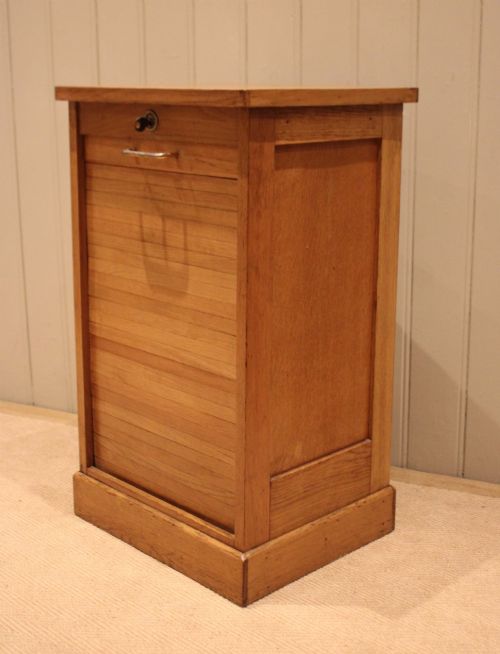
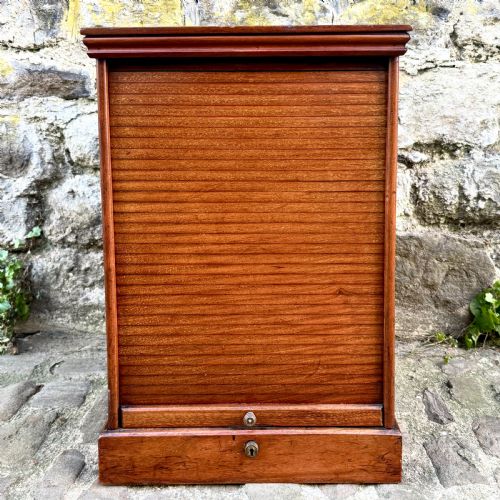
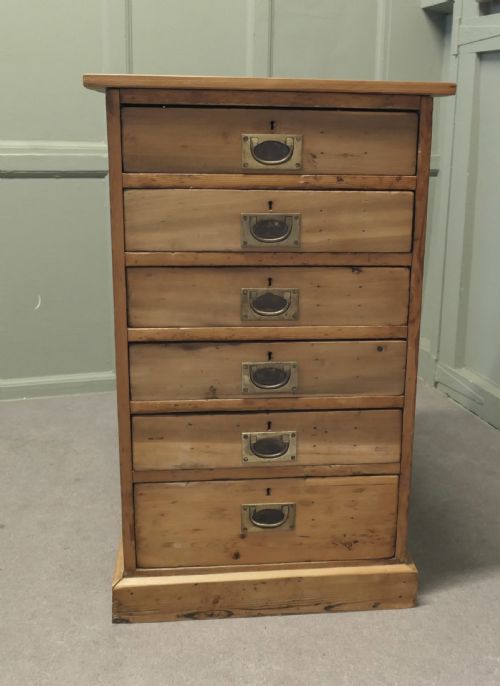
Oak and mahogany versions appear most frequently on this page, often built in Edwardian or Victorian styles alongside industrial designs. Pieces range from small desktop organisers and shallow pine units to tall multi-drawer cabinets fitted with tambour fronts or brass pull handles.
Quality and Construction Differences
Construction integrity separates standard utility office furniture from finer architectural examples, evident in the thickness of the timber and the precision of the drawer dovetailing. Retaining original hardware, such as brass label holders and specific pull designs, maintains the historical integrity of the piece.
The presence of functional patented mechanisms or complex fronts like tambour sliders adds mechanical interest and structural sophistication. Timber selection also dictates grade, with finely figured mahogany and quarter-sawn oak representing higher tiers of craftsmanship compared to painted pine.
Musicians once kept their sheet documents tidy in specialised nineteenth-century cabinets before filing drawers took over the office world.
Maple & Co·Amberg·Shannon
The Document Filing Drawers Glossary
- Tambour front
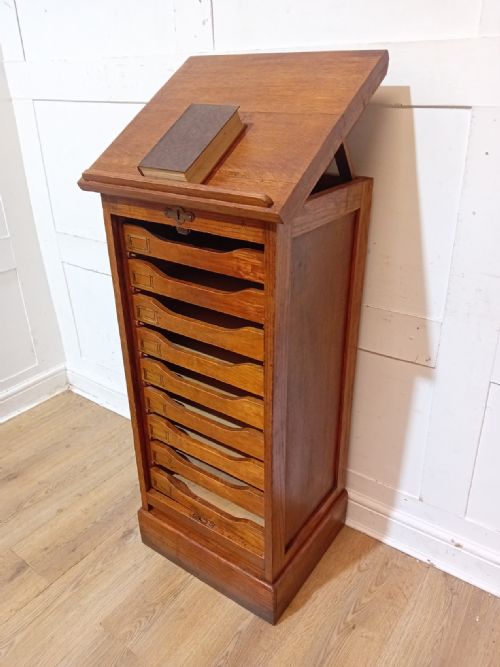
- A flexible door composed of narrow wooden slats sliding in tracked grooves to conceal interior shelving or drawers. This clever design saves space in cramped offices.
- Cartonnier
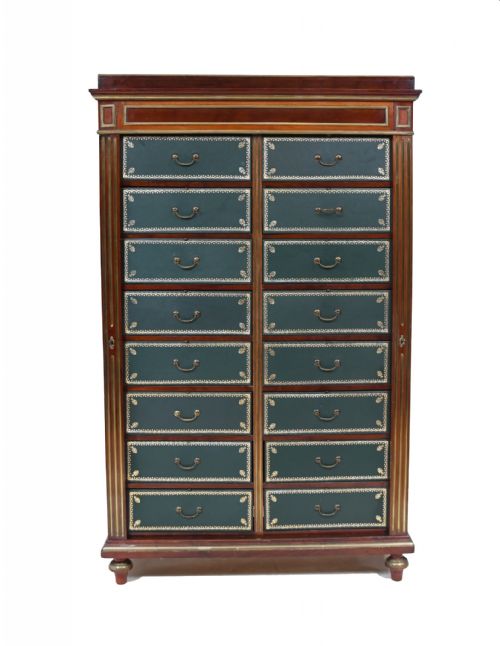
- A stationary cabinet designed with multiple vertical compartments or drawers for holding documents and files. French examples often display fine veneer work and leather detailing.
- Bank of drawers
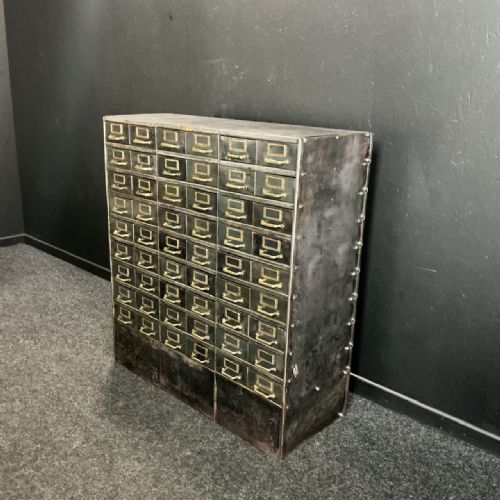
- A large multi-drawer unit built for heavy document storage in commercial settings. These pieces offer deep stacking capacity for administrative work.
- Plan chest
- A wide, shallow set of drawers engineered specifically for storing large architectural drawings and maps flat. They provide expansive surface areas while protecting fragile paper.
- Shell pull
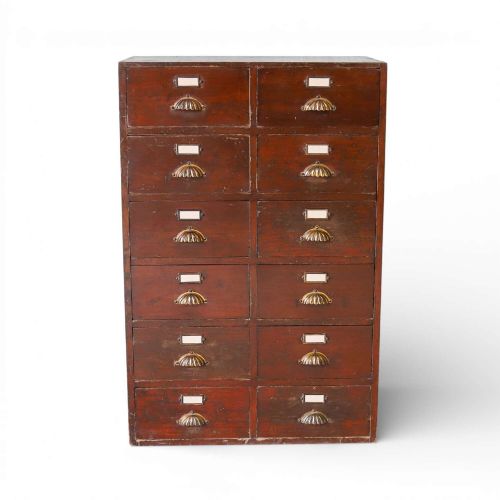
- A stamped brass or iron handle shaped like an inverted half-shell that incorporates a slot for a paper label. This hardware allows quick identification of drawer contents.
Document Filing Drawers: Frequently Asked Questions
How do I use document filing drawers today?
These cabinets adapt readily to contemporary home offices, studies, or living spaces for organising stationery, craft supplies, and modern paperwork. Their varied drawer depths accommodate everything from small index cards to larger documents.
The sturdy construction allows them to support modern equipment while adding period character to a room. Placing them beside a desk or against a wall provides accessible storage without sacrificing floor space.
What is a tambour front cabinet?
A tambour front utilises narrow strips of wood glued to a fabric backing, allowing the door to slide smoothly around a curved track. This mechanism conceals the interior drawers when closed.
Invented to save space where swinging doors proved impractical, this feature remains a sought-after mechanical detail in antique office furniture. The sliding action requires periodic cleaning of the tracks to maintain smooth operation.
How do I distinguish Victorian from Edwardian filing furniture?
Victorian filing pieces tend to feature heavier proportions, darker timber tones like mahogany or walnut, and robust brass hardware. They often reflect formal industrial or traditional banking aesthetics.
Edwardian and early twentieth-century examples frequently showcase lighter oak, cleaner lines, and simplified brass or shell pulls. Patent locking mechanisms and specialised filing systems also became more prevalent during this later era.
Can I replace missing brass label holders?
Matching replacement hardware requires careful measurement of existing screw holes and consideration of the piece's period style. Many period-appropriate brass fittings remain available through specialist restorers.
Maintaining uniformity across the bank of drawers preserves the visual balance of the cabinet. Salvaged hardware ensures the replacements blend naturally with the original patina of the timber.