

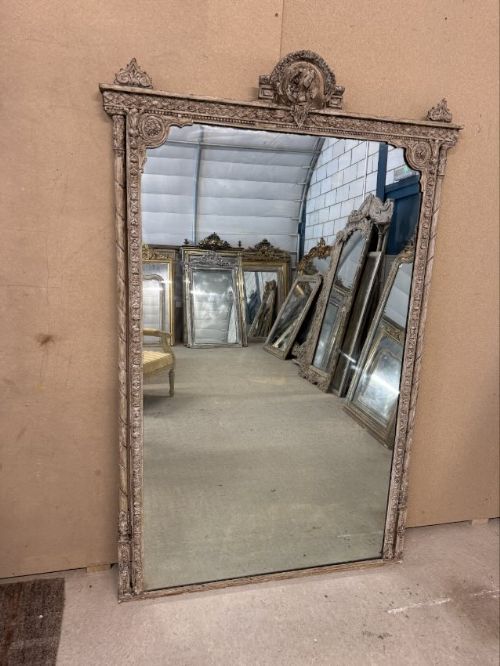
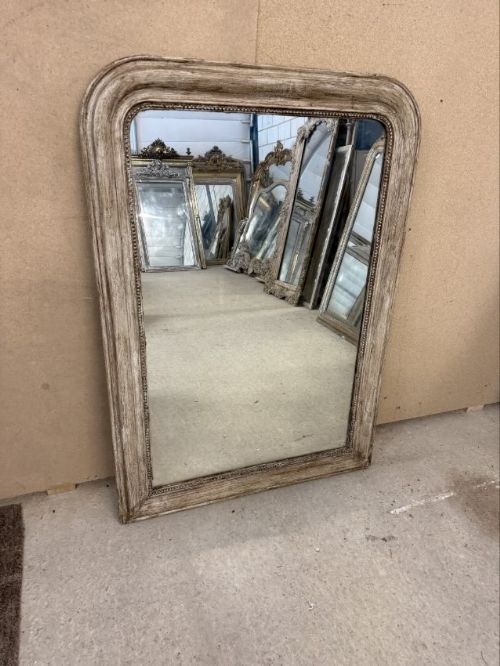
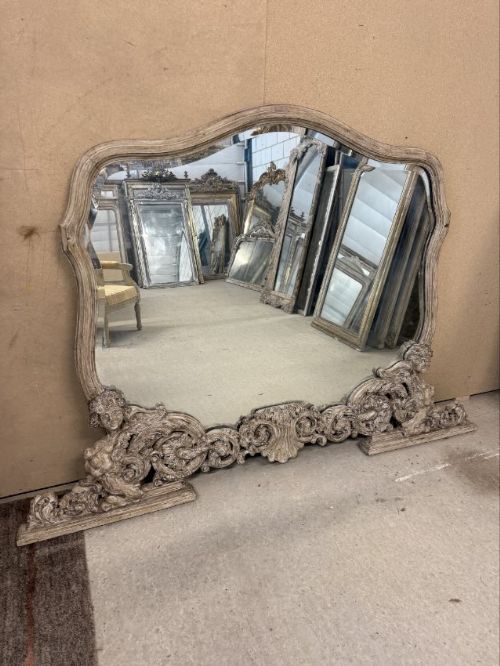
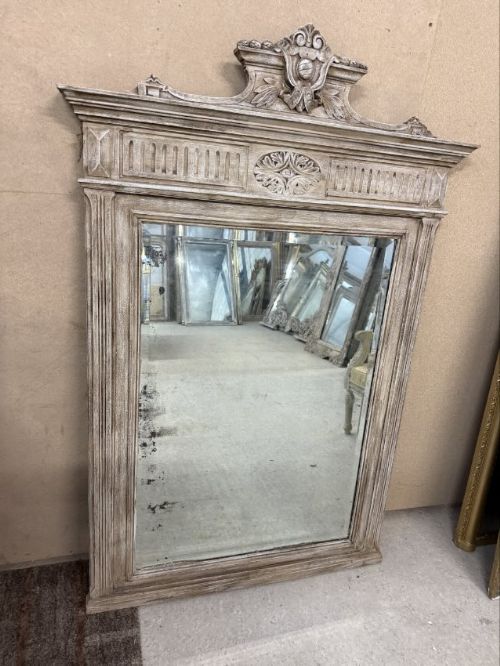
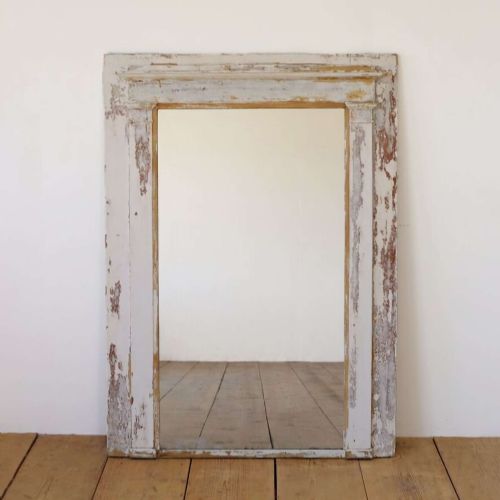

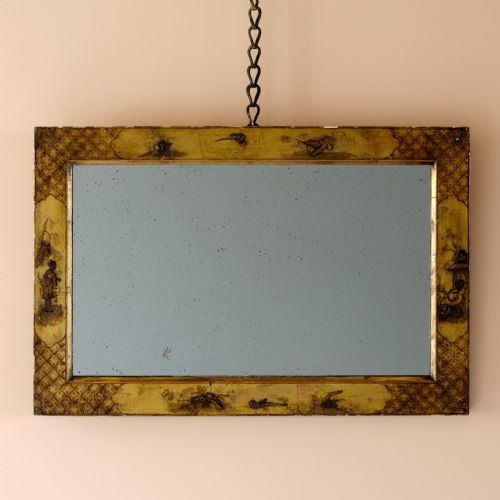
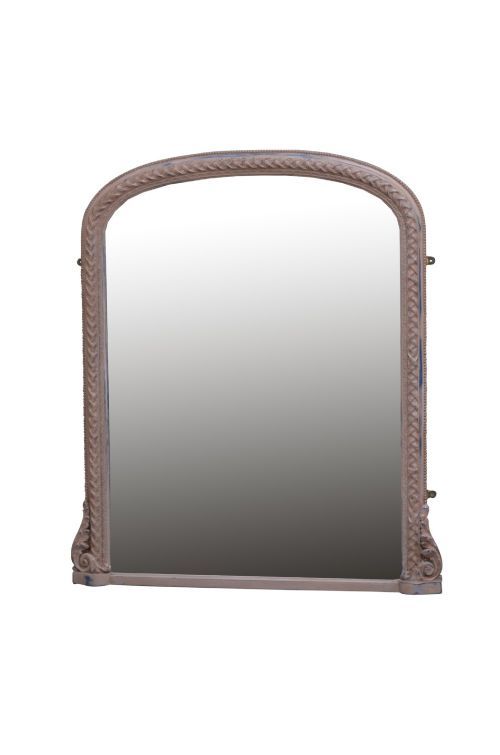
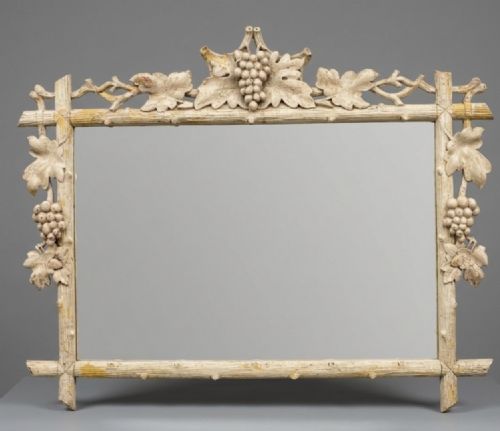
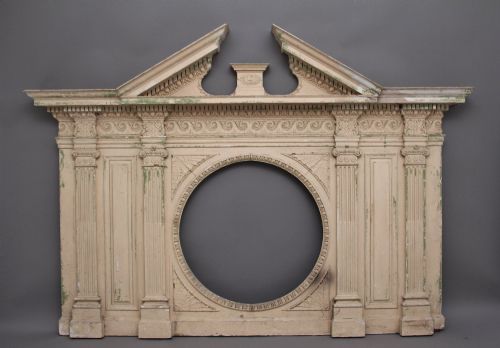


Distressed Painted Wall Mirror
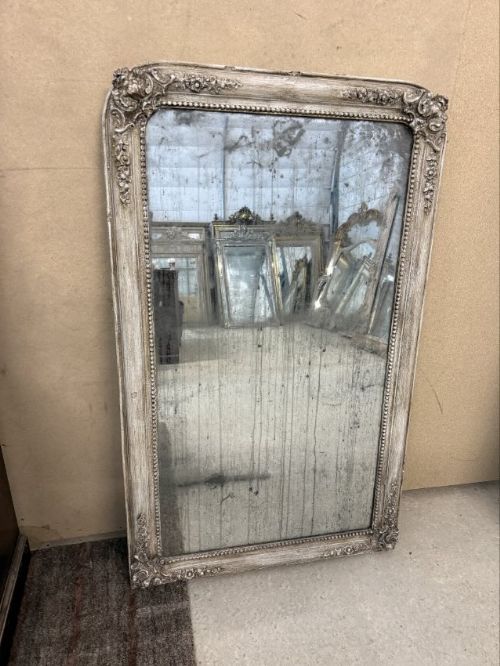
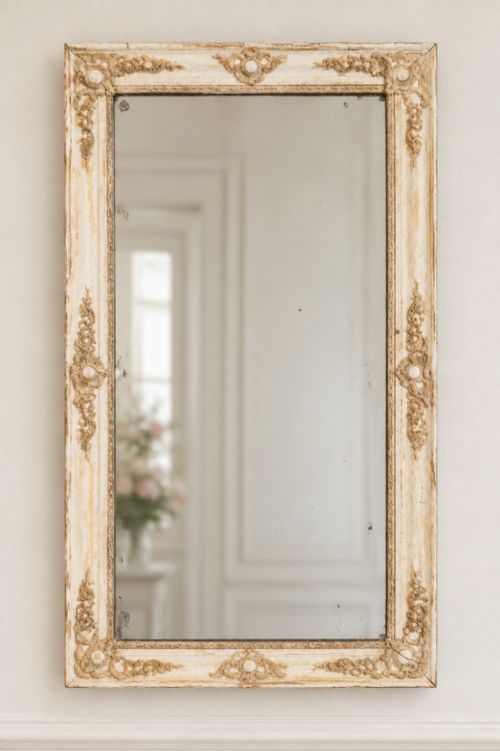
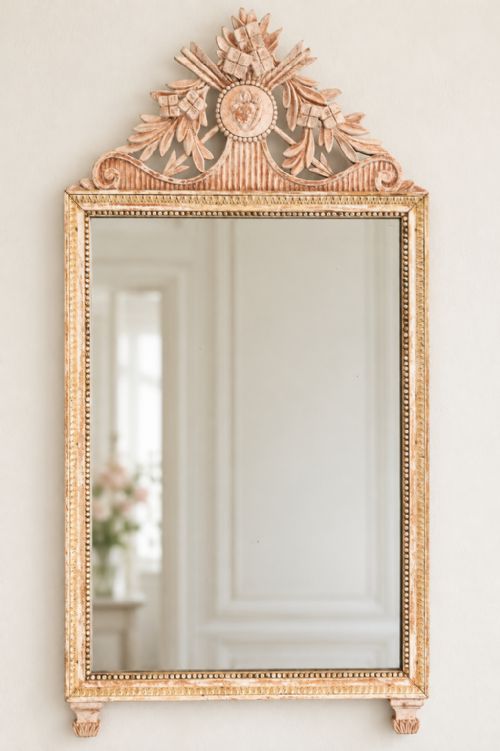
These distressed painted wall mirror pieces bring worn patination and decorative presence into a room.
Distressed Painted Wall Mirror
A distressed painted wall mirror combines aged timber or gesso frames with worn decorative finishes, appearing frequently in French provincial, Italian rococo, and Victorian styles. Buyers search for this phrase to find architectural salvage, trumeau panels, and large overmantels carrying centuries of surface wear.
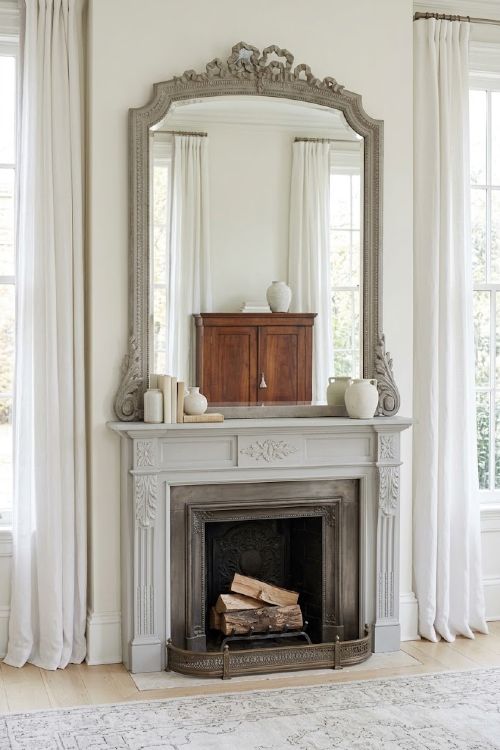
Most items on this page date from the nineteenth century, alongside eighteenth-century Italian and French examples and twentieth-century fairground or rustic pieces. The selection ranges from tall pier glasses to broad overmantel mirrors designed to sit above a fireplace.
How they were made
Makers carved wooden frames from pine or hardwood, often applying layers of gesso to build up high-relief scrolls, columns, and floral motifs before painting and gilding. Original paint surfaces frequently show multiple over-painted layers accumulated over decades of use.
Mirrors utilise heavy glass plates, including mercury glass variants in older pieces, secured into the carved wooden rabbets behind the frame. Frames combine structural timber support with delicate applied gesso mouldings that age and crack organically.
Distressed Painted Wall Mirror Retail Price Guide 2026
Typical asking prices for distressed painted wall mirror among the pieces listed under this phrase on Sellingantiques today, from the lower quarter to the upper quarter. They describe what is for sale here now, not the wider market.
Several mirrors escaped domestic parlours entirely, originating instead as fairground carousel panels and rustic wall fixtures.
What varies in quality
Quality depends on the crispness of the original wood carving and the integrity of the gesso mouldings beneath the paint layers. Superior examples retain their original structural joinery and untouched surface patination rather than later decorative alterations.
The character of the glass plate also distinguishes individual pieces, with original mirror plates displaying authentic foxing, oxidation, and depth that modern replacements lack.
The Distressed Painted Wall Mirror Glossary
- Trumeau
- A decorative wall mirror or panel featuring an upper painted or carved section combined with a lower glass plate. These tall pieces originated in French domestic interiors.
- Gesso
- A plaster-like mixture applied to wood frames to create smooth surfaces for carving and gilding. It provides the detailed relief work seen on many nineteenth-century frames.
- Overmantel
- A large mirror specifically proportioned to hang on the wall directly above a fireplace mantelpiece. They often feature architectural elements like columns or arched tops.
- Mercury glass
- An older type of silvered glass created by pouring a mercury amalgam between double-walled blown glass. It produces a distinctive mottled reflection with dark spots.
- Marginal mirror
- A style where a central mirror plate is surrounded by smaller, bevelled individual glass segments held within the frame margins.
Distressed Painted Wall Mirror: Frequently Asked Questions
How do I hang a heavy overmantel mirror?
These large frames require secure fixings anchored directly into wall studs or masonry using heavy-duty brackets. The substantial weight of the carved wood and glass demands professional installation.
Position the mirror at a height that reflects natural light from windows or balances the proportions of the surrounding furniture.
What is mercury glass?
Mercury glass refers to silvered glass plates used in older mirrors, characterised by a deep, uneven reflection and natural foxing spots. This appearance comes from the historic manufacturing process rather than actual damage.
Collectors value these original plates for the soft, aged quality they bring to antique interiors.
How do I clean an antique painted frame?
Dust the carved wooden and gesso surfaces gently with a soft, dry brush to protect the delicate painted layers. Avoid using chemical cleaners or excess moisture that could strip the historic surface.
Glass plates can be wiped carefully with a mild glass cleaner applied to a cloth rather than sprayed directly onto the mirror.
Are these mirrors original antique pieces?
The selection includes authentic items dating from the eighteenth, nineteenth, and early twentieth centuries, featuring period construction and materials. Listings detail the specific era, such as Victorian or Georgian styles, for each piece.
Surfaces often show genuine wear, patination, and layers of historic paint accumulated over generations of use.