
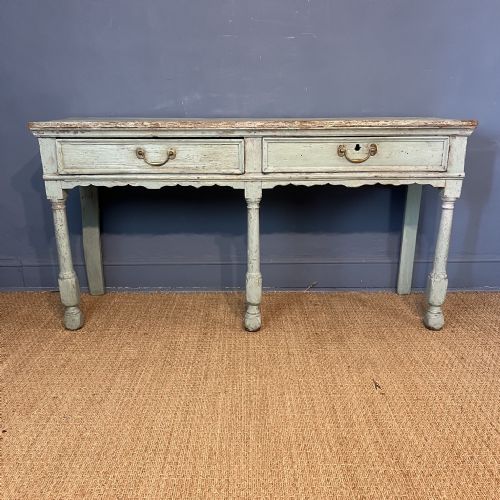
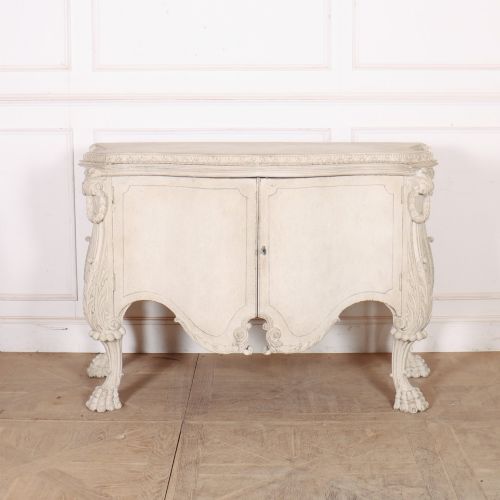
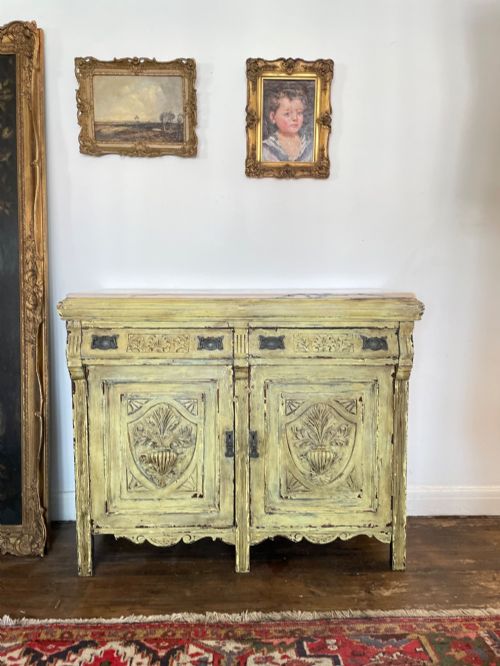
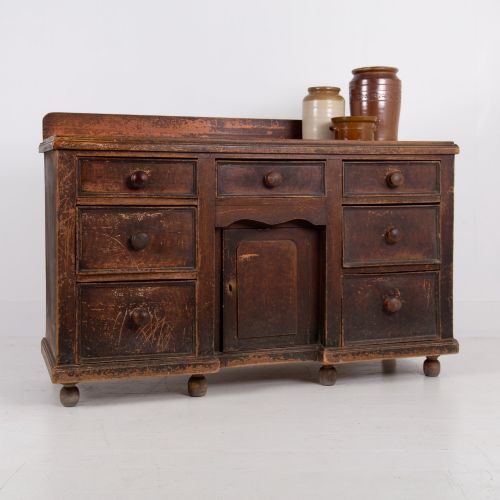
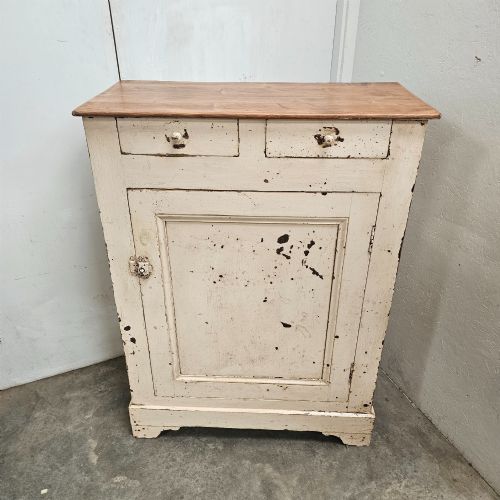
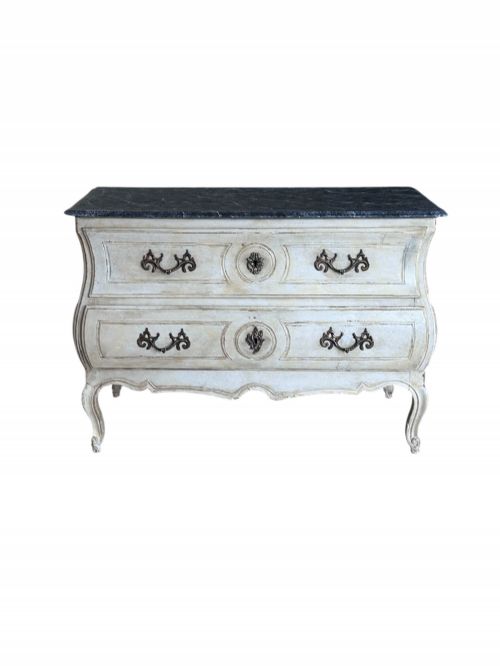
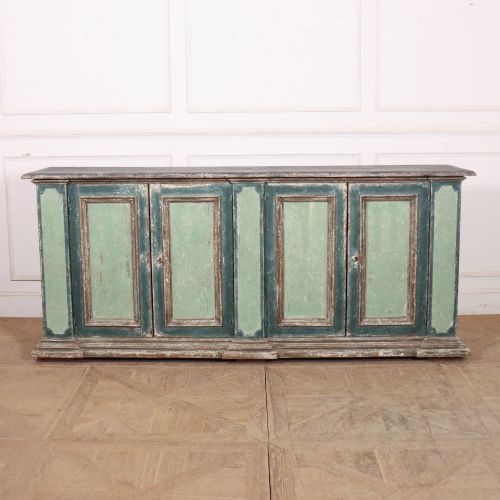
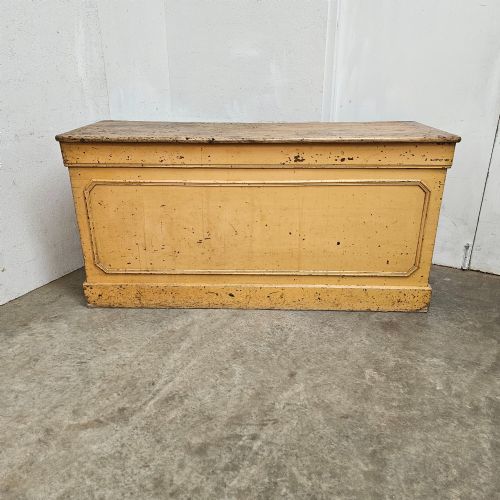
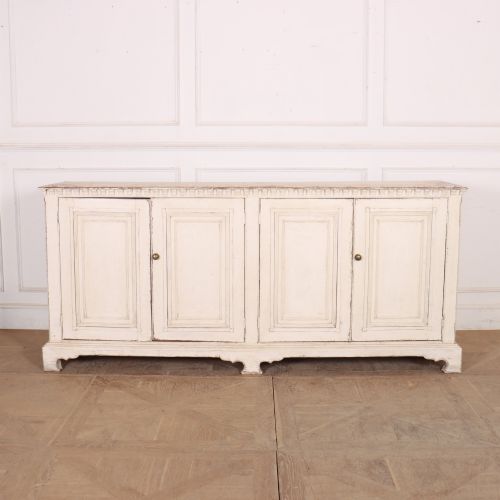
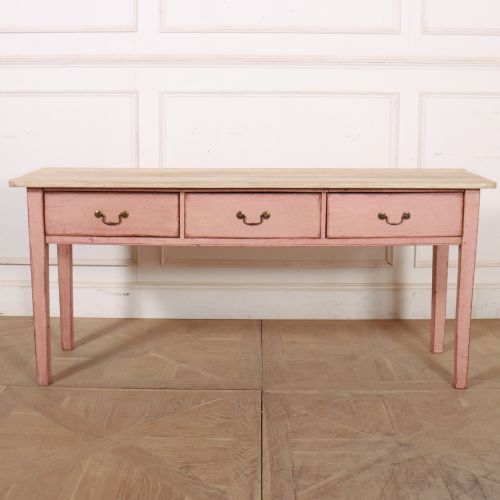


Distressed Paint Sideboard
A distressed paint sideboard brings immediate character and honest utility to a room through weathered pigment and practical storage.
Distressed Paint Sideboard
A distressed paint sideboard encompasses practical storage furniture ranging from eighteenth-century English oak dresser bases to nineteenth-century continental commodes and linen cupboards.
Buyers seeking a distressed paint sideboard will find various regional interpretations, including French provincial buffets, Scandinavian cupboards, and English country pieces finished in worn pigments.
Assessing quality and character
Quality rests in the integrity of the original timber frame and the authenticity of the surface finish, distinguishing pieces with genuine age from later interpretations.
Proportion, regional joinery techniques, and the natural patination of the painted surface dictate the standing of an individual sideboard.
Listings feature pieces spanning from the eighteenth century through the Victorian era, utilising pine, oak, brass, iron, and paint.
The Distressed Paint Sideboard Glossary
- Dresser base
- A low sideboard or table base, often fitted with drawers and a potboard shelf below, used historically for serving and storage.
- Commode
- A decorative chest of drawers or low cabinet originating in France, frequently featuring a serpentine front or marble top.
- Enfilade
- A long sideboard or buffet designed for formal dining rooms, providing extensive surface and cupboard space.
- Confiturier
- A small French cupboard traditionally utilised for storing jars of confit and preserves.
- Potboard
- An open slatted lower shelf fitted beneath a dresser base for holding pots and kitchenware.
Distressed Paint Sideboard: Frequently Asked Questions
Where should I place a sideboard?
These pieces suit dining rooms, hallways, and living spaces where surface area and enclosed storage are both required. Their substantial presence anchors a room while offering practical utility.
Consider the clearance needed for opening cabinet doors and drawers when positioning the sideboard against a wall.
How do I clean a painted surface?
Dust the exterior gently with a dry or slightly damp cloth, avoiding harsh chemical cleaners that might strip the historic pigment. Preservation of the existing surface texture is key.
Natural wax can be applied sparingly to protect bare timber elements without altering the distressed appearance.
How can I tell the period?
Dating relies on observing construction methods, timber choice, and the style of the hardware or carved details. Eighteenth-century pieces often display hand-cut joinery and heavy oak or pine frames.
Regional characteristics, such as Gustavian curves or English country proportions, also provide clear clues to the era of manufacture.