
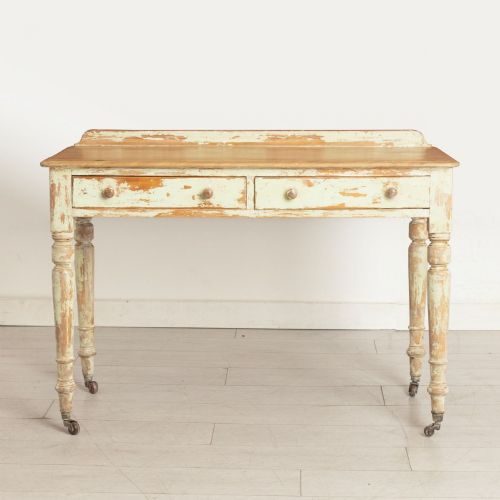

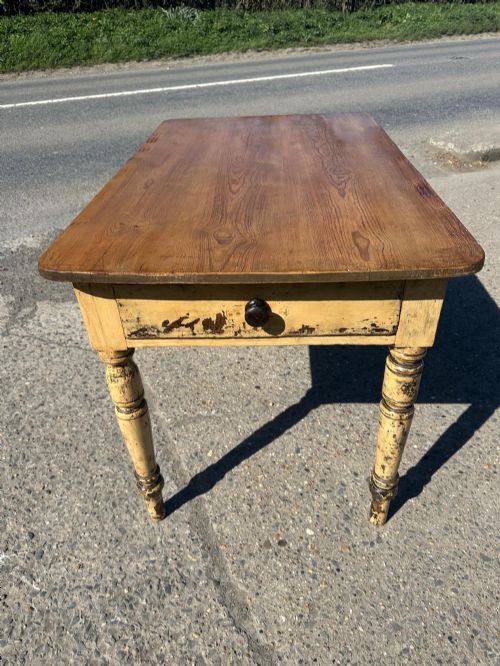
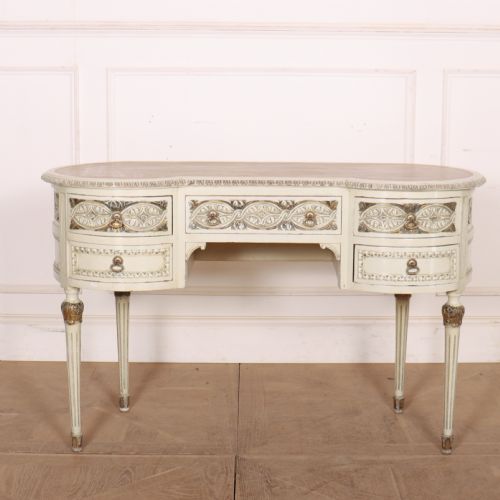


Distressed Paint Desk
A distressed paint desk brings character to a study through layered surfaces and weathered charm.
Distressed Paint Desk
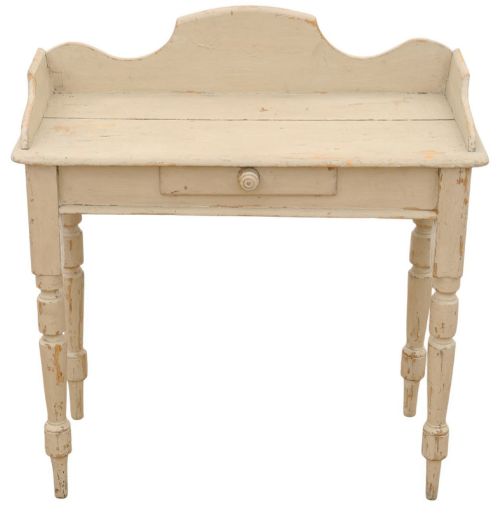
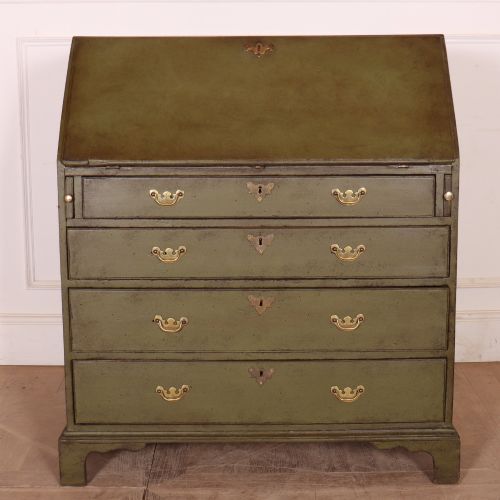
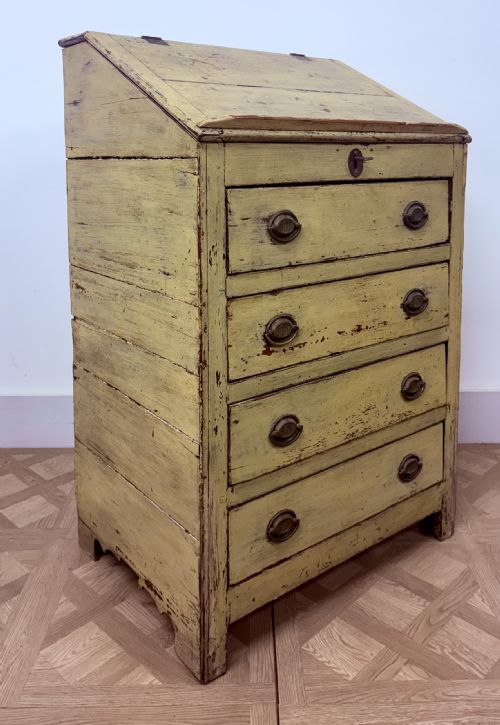
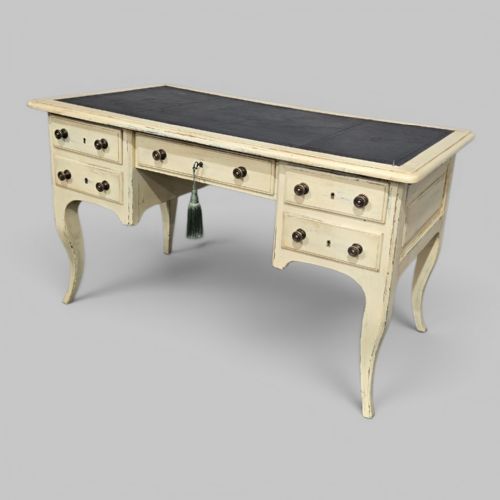
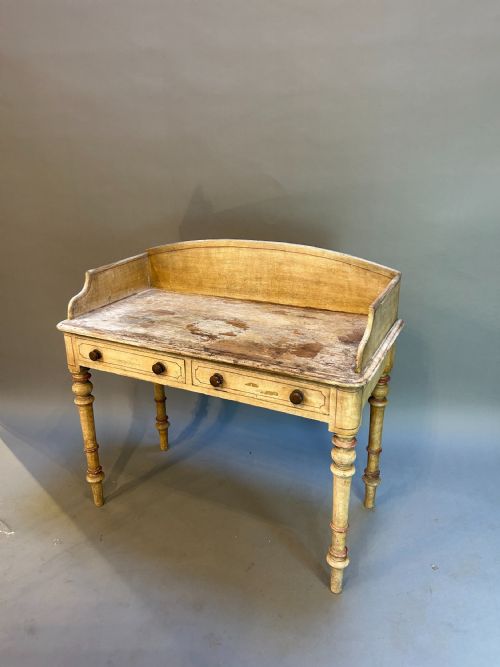
A distressed paint desk unites practical workspace with the aged visual appeal of historical paint finishes. When you search for a distressed paint desk, you encounter pieces originating from the eighteenth, nineteenth, and early twentieth centuries, spanning styles from English country to Swedish provincial.
The selection ranges from traditional bureaus and writing tables to kneehole desks and drop-leaf formats. Most examples showcase pine, timber, and painted wood, often reflecting rural or workshop traditions from Britain, France, and Scandinavia.
Materials and construction
Construction relies heavily on sturdy timbers such as pine and birch, chosen for everyday utility in domestic and work settings. Hardware elements like brass fittings and iron components provide structural support and functional contrast against wooden surfaces.
Surfaces receive layers of paint that age naturally over decades of use, creating the characteristic worn texture. Artisans and makers applied traditional finishes which subsequently developed characteristic patinas through daily interaction.
Listings span the eighteenth, nineteenth, and early twentieth centuries, incorporating pine, birch, and brass elements across British, French, and Swedish origins.
Assessing quality and authenticity
Quality rests in the integrity of the timber framework and the organic accumulation of surface wear. Pieces featuring authentic, undisturbed historical layers of paint hold greater distinction than later recreations.
Proportions, dovetail joinery, and the harmony between the hardware and the wooden body determine the overall caliber of the desk. The relationship between the structural joinery and the worn exterior dictates the piece's standing.
The Distressed Paint Desk Glossary
- Kneehole desk
- A flat-topped writing table with a central recess for the legs, flanked by pedestals of drawers. This form became popular during the eighteenth century.
- Pine
- A soft timber widely utilised for domestic furniture in regional workshops throughout the eighteenth and nineteenth centuries. It takes paint finishes readily.
- Patina
- The surface texture and sheen developed by wood and paint over long periods of handling and exposure. It acts as an indicator of age.
- Drop leaf
- A hinged table flap that can be raised to extend the surface area or dropped down to save space. It appears frequently on functional provincial tables.
Distressed Paint Desk: Frequently Asked Questions
How do I clean a painted desk?
Dust the surface regularly with a soft, dry cloth to prevent the accumulation of grit. Avoid harsh chemical cleaners that might disturb the historical paint layers.
Maintain a stable room humidity to protect the underlying timber from warping or splitting. Gentle care preserves the aged character of the finish.
Are these desks suitable for daily work?
Many historical writing tables and kneehole desks offer functional surfaces for modern writing tasks or laptop use. Their compact dimensions fit well into contemporary study spaces.
Check the height and leg clearance of each specific desk to ensure comfortable seating. Sturdy construction allows them to handle routine daily tasks.
How do I identify the period of a desk?
Examine the construction methods, such as drawer dovetails and tool marks left by early makers. The choice of secondary timbers also offers clues to the era of manufacture.
Compare the overall style and hardware against established design periods like the Georgian or Victorian eras. Subtle shifts in proportion help distinguish eighteenth-century pieces from later nineteenth-century examples.