

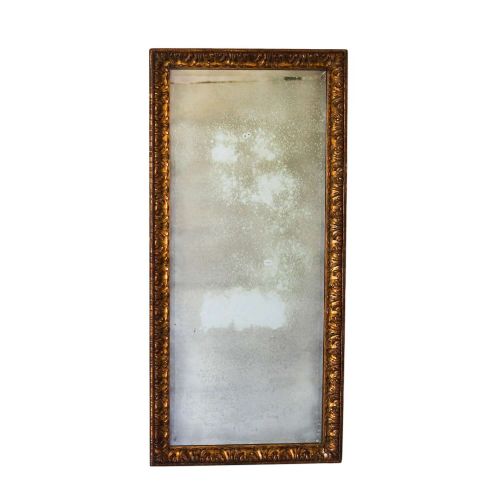
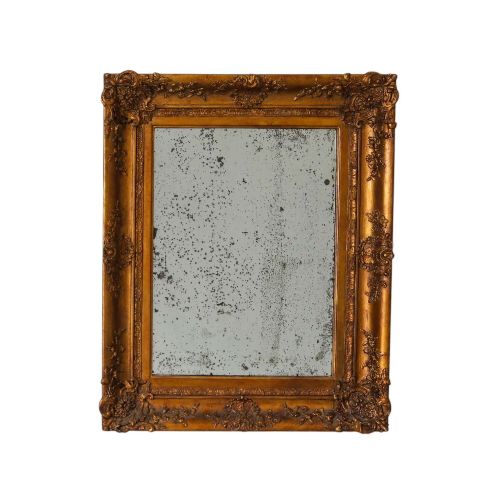
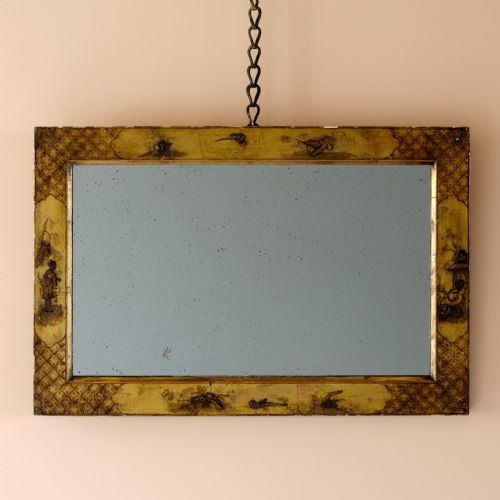
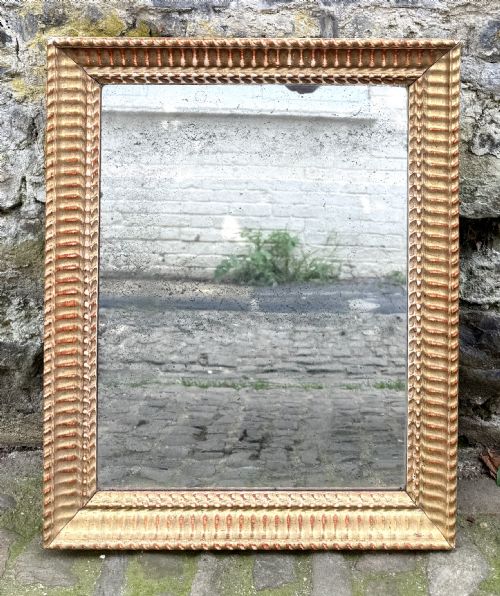


Distressed Gilt Wood Mirror
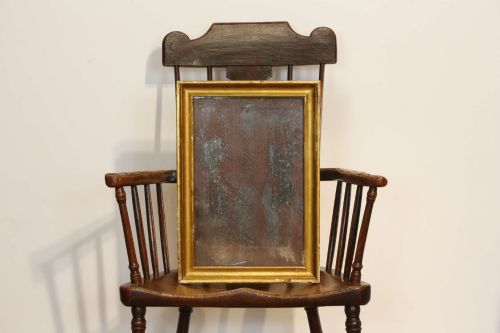
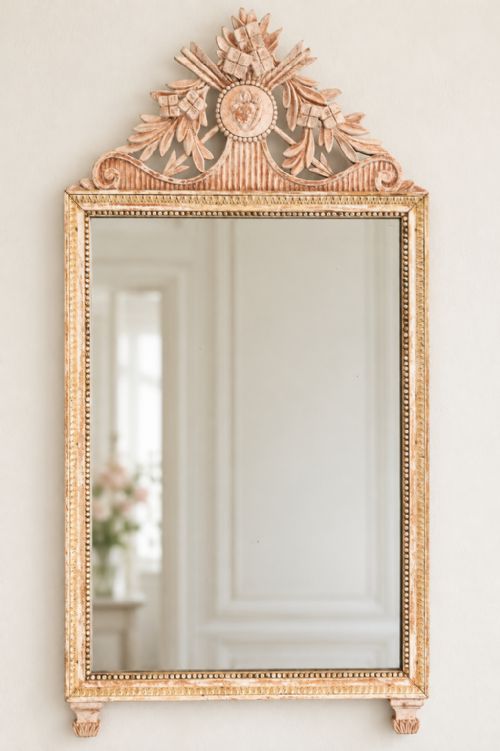
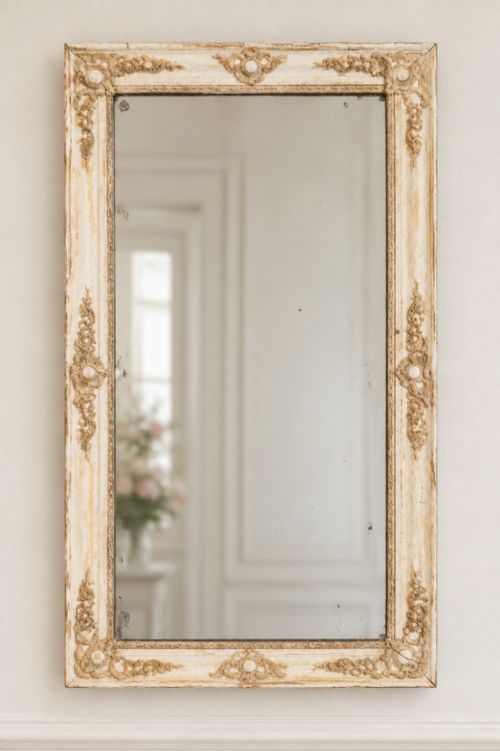
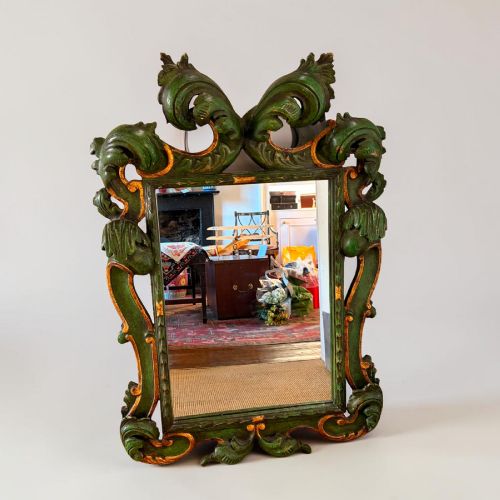
These distressed gilt wood mirror pieces bring genuine nineteenth-century French and Italian elegance into a modern room through weathered gold leaf and carved wood forms.
Distressed Gilt Wood Mirror
A distressed gilt wood mirror combines ornate historic styling with the character of aged surfaces, appearing primarily in nineteenth-century French Louis Philippe, Italian Florentine, and Rococo forms. Buyers seek these pieces for their aged aesthetic, which bridges classic interior design and relaxed modern spaces.
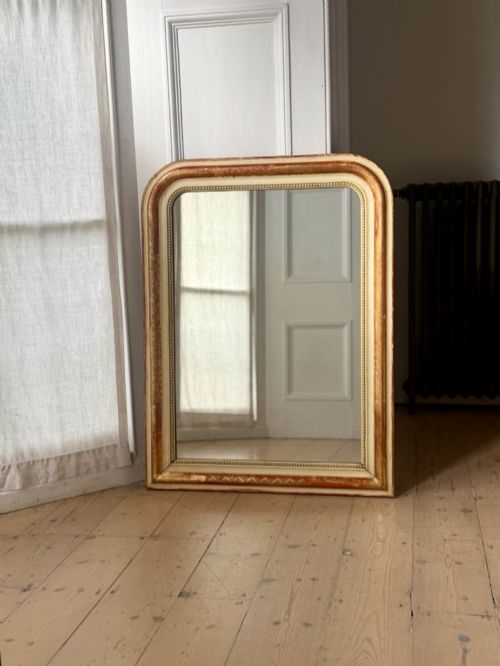
The selection on this page centres heavily on wall mirrors, overmantel mirrors, and pier glasses originating from France, England, and Italy. Visitors will frequently encounter rectangular arched shapes alongside heavily carved wooden frames finished with worn paint and exposed gesso.
How they were made
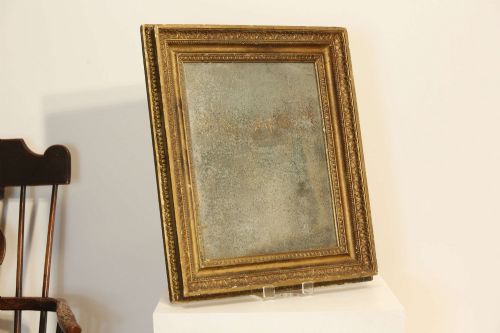
Craftsmen built these frames using carved wood and applied layers of gesso to create smooth or intricate relief decoration before adding gold leaf, silver gilt, or oil gilt finishes. Over decades, natural wear has caused the underlying paint and bare gesso to show through the remaining metallic leaf.
Many examples house original mercury glass mirror plates, which exhibit characteristic foxing, dark spots, and distortion built up over generations. This combination of hand-carved wooden substrates and distressed reflective surfaces defines the physical construction of the pieces.
Distressed Gilt Wood Mirror Retail Price Guide 2026
Typical asking prices for distressed gilt wood mirror among the pieces listed under this phrase on Sellingantiques today, from the lower quarter to the upper quarter. They describe what is for sale here now, not the wider market.
Listings feature items from the eighteenth, nineteenth, and early twentieth centuries, spanning Georgian, Rococo, Neoclassical, and Louis Philippe styles.
What varies in quality
The presence of original mercury glass plates with authentic foxing rather than modern replacement mirror glass elevates an object's historical integrity. Additionally, substantial proportions found in large overmantel and trumeau pier mirrors demand superior internal joinery to support the heavy plate.
The Distressed Gilt Wood Mirror Glossary
- Gesso
- A plaster-like mixture applied to carved wooden frames to create a smooth base for gilding. It often shows through the worn gold leaf on older pieces.
- Mercury glass
- An early type of mirror glass made by pouring a silvering amalgam between double-walled glass or backing single plates, known for its mottled appearance.
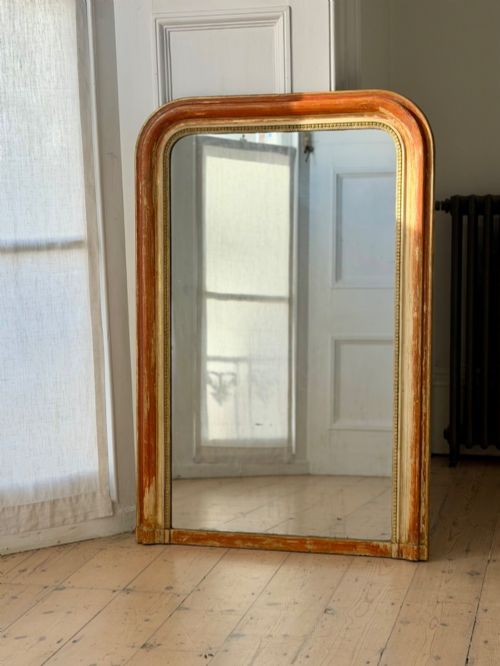
- Louis Philippe
- A mid-nineteenth-century French style characterised by simple rectilinear frames with softly rounded upper corners. These mirrors suit both traditional and contemporary interiors.
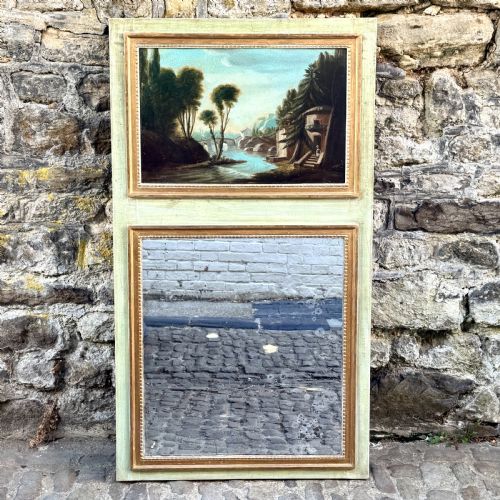
- Trumeau
- A decorative wall mirror combined with a painted panel or oil painting above the glass plate. They were designed to hang between windows in grand rooms.
- Girandole
- A decorative wall mirror featuring attached candle sconces or arms extending from the frame. The polished gilt surfaces reflect the candle flames.
- Foxing
- Age-related brown spots and speckles that develop within the reflective backing of antique mirror plates. This chemical change creates a characteristic hazy pattern.
Distressed Gilt Wood Mirror: Frequently Asked Questions
How do I clean a distressed mirror?
Use a soft, dry cloth to gently remove dust from the carved wooden frame without disturbing the fragile gilt surface. Avoid harsh chemical cleaners or excessive moisture on both the aged gold leaf and the delicate antique glass.
Take extra care around areas where bare gesso is exposed through the gilding. Modern glass sprays can seep behind old plates and worsen foxing, so keep liquids away from the edges.
What is mercury glass?
Mercury glass refers to historic mirror plates created using metallic solutions behind glass rather than modern aluminium or silver coatings. These plates develop unique dark spots and cloudy areas over time.
This ageing process gives the reflection a soft, atmospheric quality rather than the sharp clarity of modern glass. Collectors prize original mercury plates for the authentic historic character they impart.
How do I hang a heavy wall mirror?
Large overmantel and carved wood mirrors require secure wall fixings rated for substantial weight, preferably anchored directly into wall studs. Professional installation is strongly recommended for heavy pieces due to their dense wooden frames and thick glass plates.
Check that the original hanging loops or wires on the reverse are structurally sound before mounting. Distribute the weight evenly using appropriate brackets rather than relying on decorative picture hooks.
Are these mirrors original antiques?
The listings span eighteenth, nineteenth, and early twentieth-century periods, featuring traditional construction methods like hand-carved wood and applied gesso. Each piece bears the distinct physical hallmarks of its era of manufacture.
Examination of the frame construction, backing boards, and glass plates helps confirm the age of each item. The natural wear on the gilt surface provides visual evidence of long-term use.