

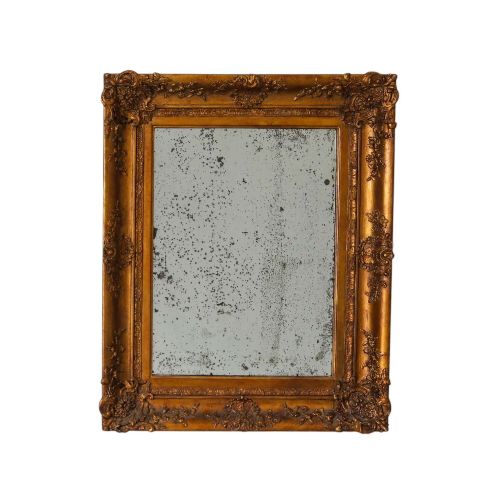

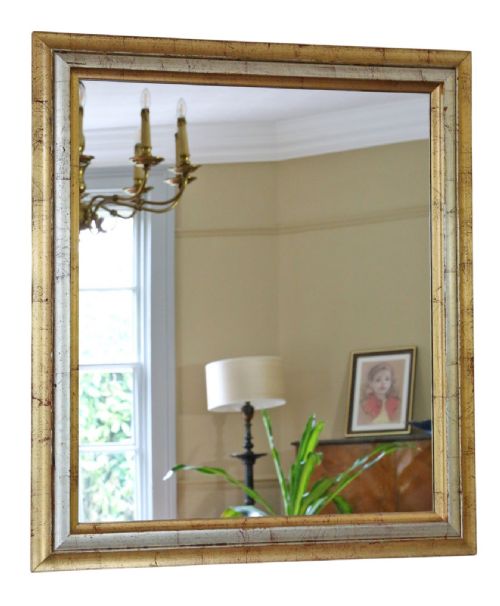

Distressed Gilt Frame
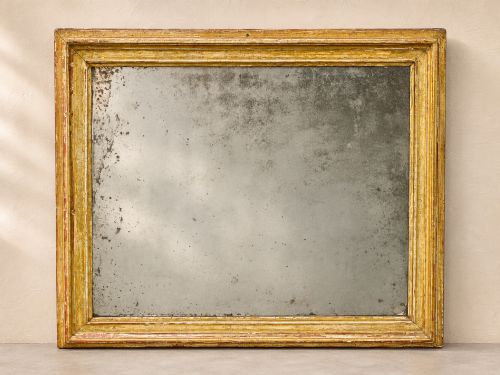
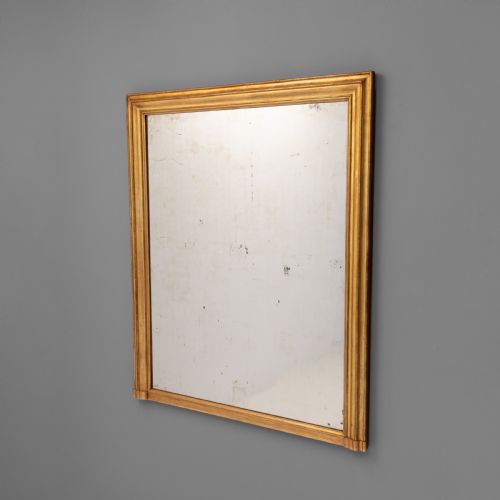
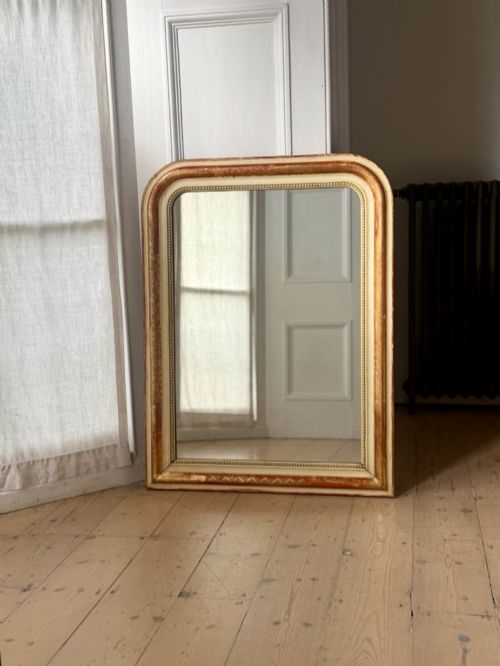
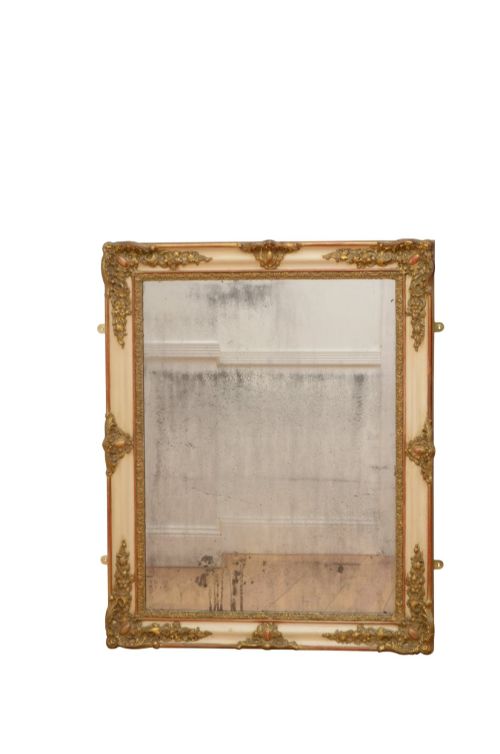
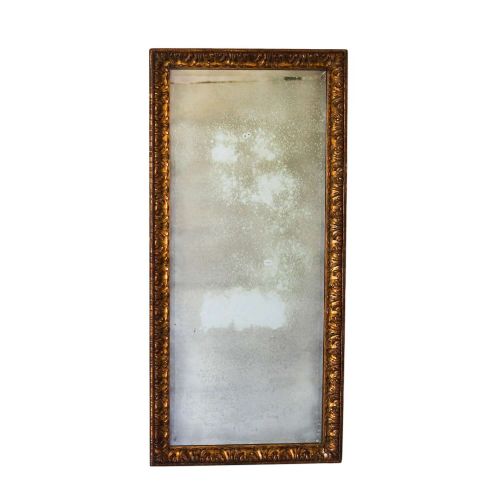
A distressed gilt frame brings an aged metallic warmth and French Rococo or Regency character directly to a room.
Distressed Gilt Frame
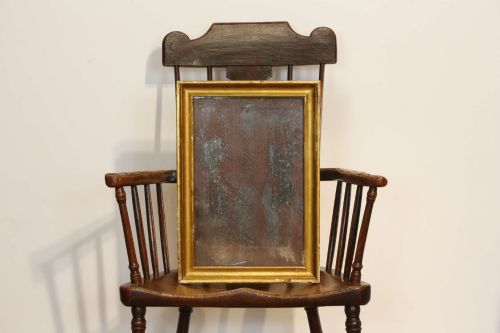
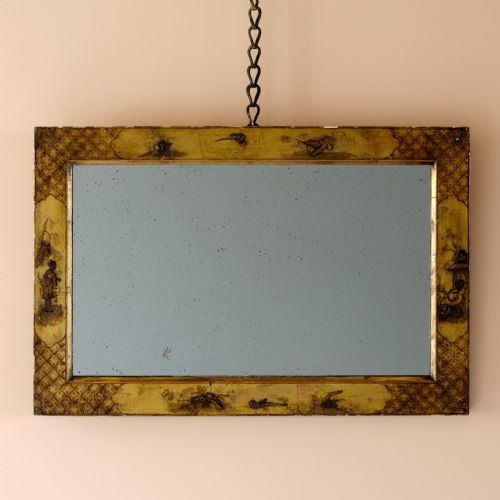
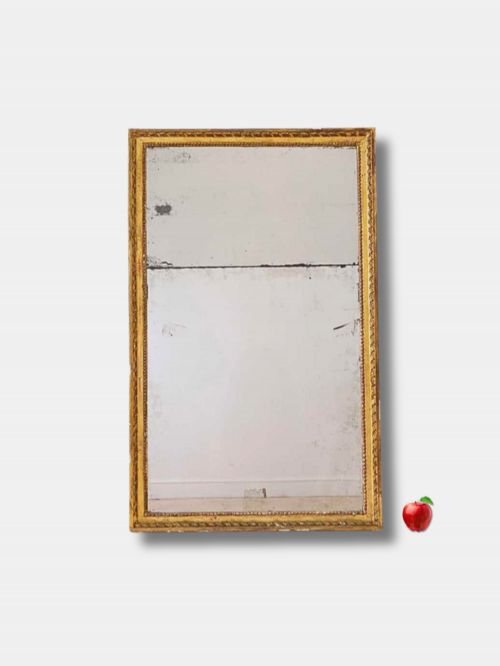
A distressed gilt frame forms the surround for mirrors, armchairs, and settees originating chiefly from the 18th and 19th centuries. Buyers searching for a distressed gilt frame typically encounter wall mirrors, overmantel mirrors, and pier glasses bearing the marks of time.
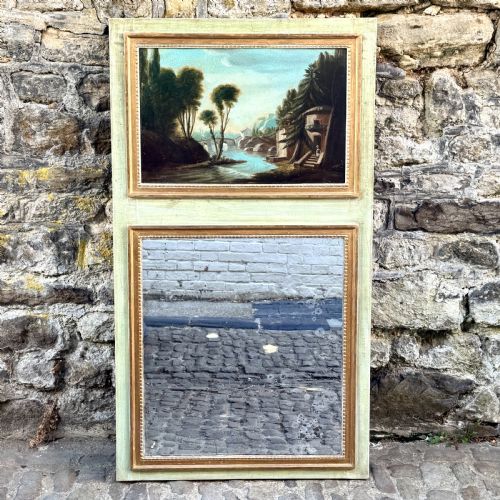
The selection here draws heavily on 19th-century French aesthetics, alongside Regency and Georgian pieces. These items range from small hanging hall mirrors to large trumeau and pier mirrors designed for period interiors.
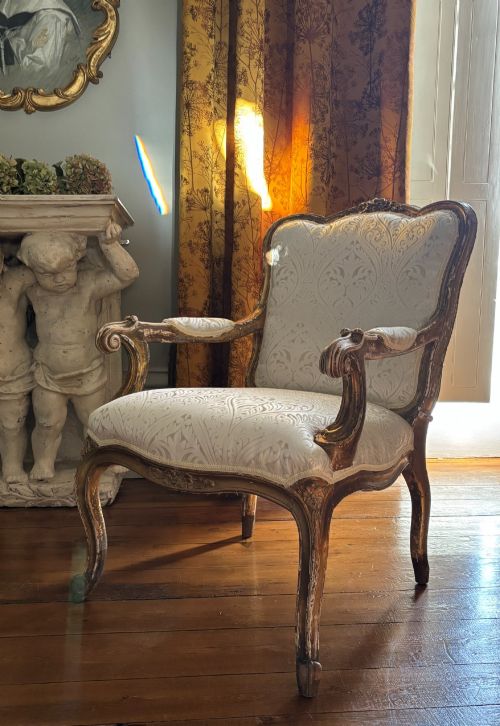
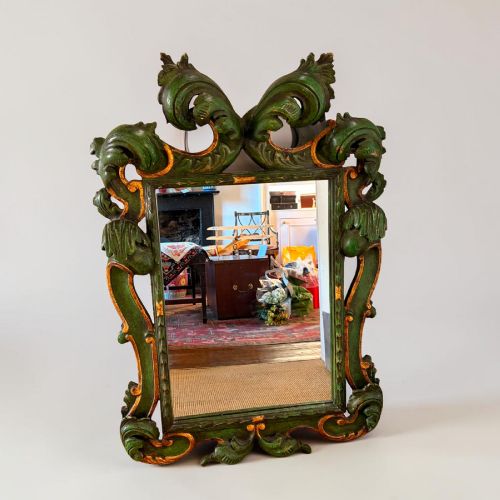
Beyond mirrors, the category includes painted seating such as armchairs, settees, and footstools touched with gilt details. The core appeal lies in the weathered, patinated surface where the underlying gesso and wood show through the gold leaf.
How they were made
Frames and furniture elements start with a wooden base, often carved into intricate Rococo or classical motifs. Artisans then applied layers of gesso to smooth the surface before laying down gold leaf or oil gilt.
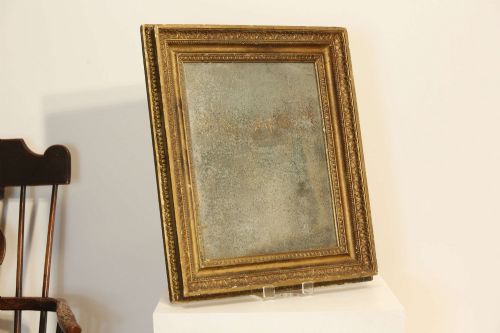
Distressed surfaces occur through natural ageing or deliberate over-painting, which lets bare gesso and dark wood emerge beneath the gold. Glass components frequently feature mercury backing or foxing, contributing to the mottled, aged reflection characteristic of these pieces.
Distressed Gilt Frame Retail Price Guide 2026
Typical asking prices for distressed gilt frame among the pieces listed under this phrase on Sellingantiques today, from the lower quarter to the upper quarter. They describe what is for sale here now, not the wider market.
One French mirror arrives with glass so extensively foxed it offers more atmosphere than a clear reflection.
What varies in quality
Quality shows in the depth and crispness of the original wood carving beneath the gilding. Pieces displaying hand-carved detail rather than heavy moulded composition work hold greater depth of character.
The integrity of the glass plate also distinguishes the range, with original mercury plates and heavily foxed glass offering distinct visual weight compared to later replacements.
Blaise Maucuy
The Distressed Gilt Frame Glossary
- Gesso
- A plaster-like mixture applied to wood frames as a base for gilding. It provides a smooth surface for gold leaf application and reveals itself over time as the top layer wears away.
- Mercury glass
- A type of double-walled glass blown in the 19th century with a silvering mixture inserted between the layers. It creates a cloudy, reflective surface prized for its historic appearance.
- Trumeau
- An antique wall mirror paired with a painted panel or decorative artwork above the glass. These architectural pieces often hung above mantelpieces in French interiors.
- Giltwood
- Timber that has been coated with thin sheets of gold leaf. It forms the primary structural and decorative medium for traditional ornate frames.
- Foxing
- The brown spots and speckling that develop on mirror plates and paper over decades. This natural oxidation alters the reflection and indicates considerable age.
Distressed Gilt Frame: Frequently Asked Questions
What is a trumeau mirror?
A trumeau mirror combines a vertical glass plate with a decorative painted or carved panel fitted directly above it. These architectural pieces originated in France and served as permanent wall fixtures in formal rooms.
They bring height and structure to a wall while offering a combination of artwork and reflection in a single unit.
Why is the glass foxed?
Foxing occurs when moisture reaches the silvering behind the glass over many decades, causing dark spots and mottled patches. This chemical ageing process creates a soft, hazy reflection rather than a sharp, modern mirror image.
Collectors value foxed glass because it proves the antiquity of the mirror plate and adds atmospheric depth to the room.
How do I style a gilt frame?
Gilt frames work well against dark, moody walls or contrasting neutral plaster to let the metallic finish stand out. Hang a large overmantel mirror above a fireplace or lean a tall pier glass directly against the floor.
Pairing these frames with rustic wood and simple fabrics balances the ornate, aged detailing without overwhelming the space.
What is mercury glass?
Mercury glass refers to double-walled blown glass silvered with a liquid mixture between the layers, though actual mercury was rarely used. This historical technique produces a distinctive misty reflection.
Mirrors retaining their original mercury plates display a characteristic heavy, dark sheen unique to 18th- and 19th-century manufacturing.