



Distressed Coffee Table
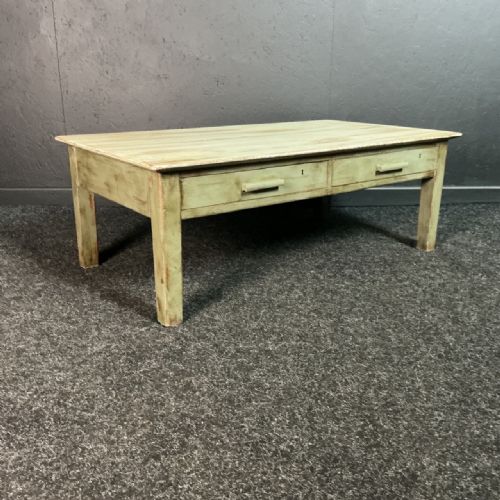
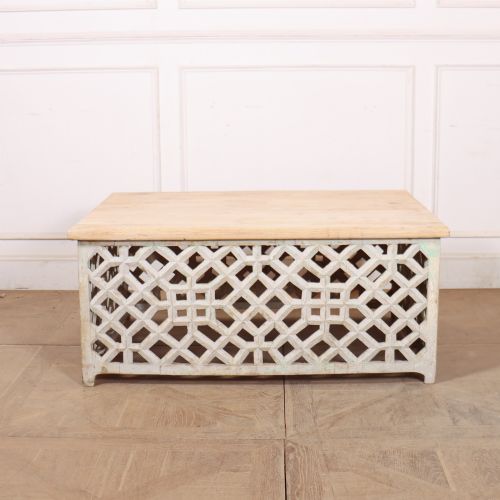
These distressed coffee table options bring character to a room through weathered painted wood, rustic oak, and marble surfaces.
Distressed Coffee Table
A distressed coffee table brings gathered character to a room, using low surfaces adapted from older forms like benches, side tables, and garden tables. When searching for a distressed coffee table, buyers encounter repurposed vernacular pieces and low occasional furniture rather than uniform modern production. The selection spans periods from the Georgian era through to the early twentieth century, showing substantial variation in origin and proportion.
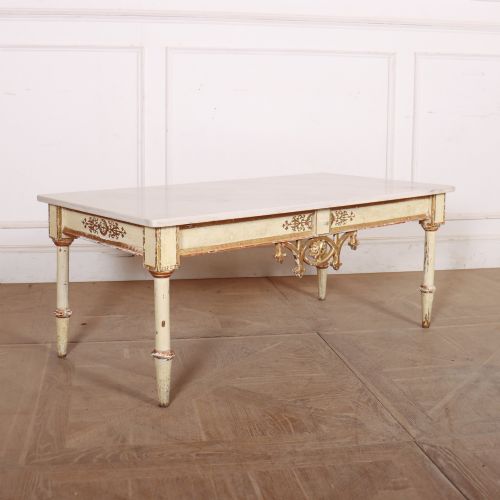
The most common forms on this page include painted pine and oak tables, alongside pieces with marble tops or iron and timber construction. Stylistic influences range from rustic farmhouse and English country to French provincial and Italian neoclassical. These low tables serve everyday living spaces while retaining the distinct patination of their original domestic or utilitarian functions.
How they were made
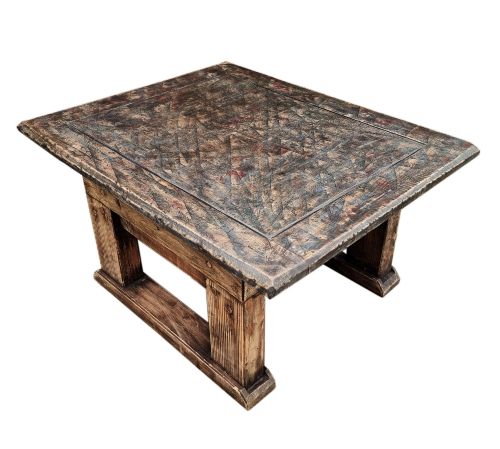
Construction relies heavily on sturdy timbers such as oak, pine, and mixed hardwoods, frequently shaped into robust forms like cheese press tables and garden benches. Joinery is straightforward and traditional, built to withstand heavy daily use in domestic or agricultural settings before conversion to lower coffee tables.
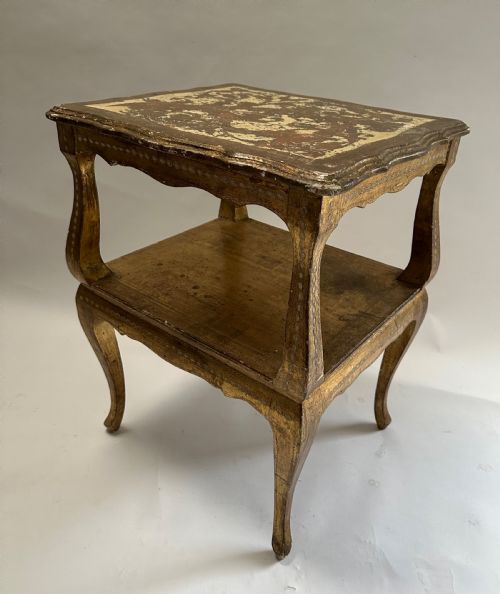
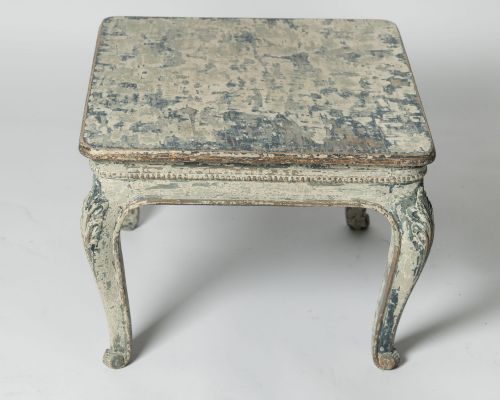
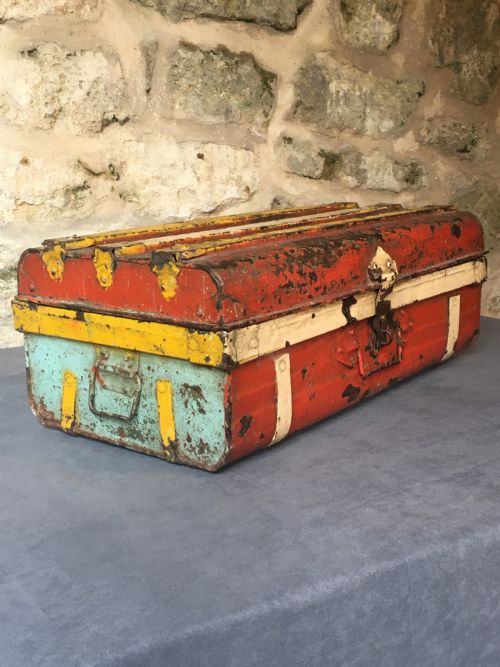
Surface finishes define the appearance of these pieces, employing layers of paint, red lacquer, and strapp work. Age and repeated use create natural wear across the timber and painted surfaces, revealing underlying wood and creating the characteristic weathered texture.
Distressed Coffee Table Retail Price Guide 2026
Typical asking prices for distressed coffee table among the pieces listed under this phrase on Sellingantiques today, from the lower quarter to the upper quarter. They describe what is for sale here now, not the wider market.
Several tables began life as heavy cheese presses or pig benches before finding a second career holding cups of tea.
What varies in quality
The integrity of the original construction and the authenticity of the surface wear separate simpler conversions from finer examples. Tables that retain their original structural elements and untouched patinated paint hold greater visual coherence than those with heavily altered components.
Proportion and material choice also influence the piece, with dense hardwoods, substantial marble tops, and balanced regional forms offering a stronger presence in a room. The quality lies in how harmoniously the aged surface integrates with the underlying timber structure.
The Distressed Coffee Table Glossary
- Patina
- The surface sheen and wear developed over decades of use. This natural ageing distinguishes genuine older timber and paint from modern artificial distress.
- Hardwood
- Timber derived from broad-leaved deciduous trees, offering durability and weight. These dense woods form the structure of many enduring low tables.
- Pine
- A softwood commonly utilised in vernacular furniture and garden pieces. It accepts paint readily and forms the base for many distressed painted finishes.
- Strapp work
- Metal reinforcement or strapping applied to furniture for strength. This technique appears on specific garden and utility tables.
Distressed Coffee Table: Frequently Asked Questions
What is a distressed coffee table made from?
These tables are constructed from timber materials including oak, pine, hardwood, and painted wood. Additional elements such as marble tops and iron components also appear across the selection.
The choice of material reflects the original utility of the piece, whether domestic, agricultural, or garden-focused.
How do I style a distressed coffee table?
Pair the weathered painted wood or rustic timber with simple surroundings to let the natural patination stand out. The diverse styles, from French provincial to English country, suit eclectic living spaces.
Keep surface decoration balanced to allow the character of the aged top to remain the visual focus.
Are these tables converted from other objects?
Several low tables originate from older functional objects such as benches, garden tables, and cheese press tables. These pieces are adapted to sit at a convenient height for modern living rooms.
Conversion preserves the aged timber and historical surface wear while changing the original function of the object.
How do I identify the period of a table?
Dating relies on construction methods, timber choice, and the style of the painted finish or carving. Pieces range from eighteenth-century lacquer work to early twentieth-century rustic farmhouse designs.
Examining the wear patterns and structural joinery provides clues to the era in which the object was made.