
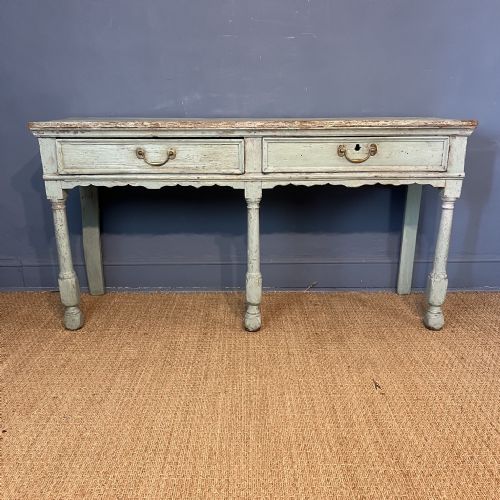


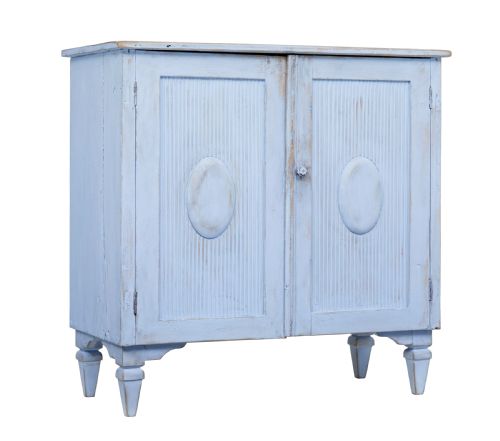


Distressed Blue Sideboard
A distressed blue sideboard brings functional storage and historic character into a room through aged painted wood.
Distressed Blue Sideboard
When searching for a distressed blue sideboard, buyers encounter regional European and English storage forms finished in paint.
The selection ranges from eighteenth century dressers and commodes to nineteenth century cupboards and console tables.
Pieces from this category include Scandinavian country cupboards, English dresser bases, and Portuguese commodes.
How they were made
Carpenters constructed these pieces primarily from pine and softwood, supplemented by hardwood elements.
Surface finishes rely on traditional paint applied over wood, accented by iron and brass hardware.
Listings feature pine and painted softwood furniture originating from the eighteenth and nineteenth centuries.
What varies in quality
Quality differences stem from the integrity of the original timber construction and regional joinery traditions.
The character of the paint surface and the survival of period metal fittings determine the distinction between examples.
The Distressed Blue Sideboard Glossary
- Dresser base
- A low wooden sideboard or table fitted with drawers and cupboards, used historically for food preparation and storage.
- Commode
- A decorative low cabinet or chest of drawers originating from continental Europe.
- Softwood
- Timber from coniferous trees such as pine, commonly used for the carcase and interior boards of country furniture.
- Potboard
- An open lower shelf built into a dresser base for storing heavy kitchen pots and ceramic vessels.
Distressed Blue Sideboard: Frequently Asked Questions
What is a dresser base?
A dresser base is a low wooden cabinet featuring drawers and cupboards.
Historically placed in kitchens or dining rooms, these surfaces served practical working and storage needs.
How are these cabinets constructed?
Cabinet makers utilised solid pine and softwood for the main structures.
Iron or brass fittings completed the doors and drawers alongside traditional painted finishes.
Where were these pieces made?
Origin locations span across England, Scandinavia, Portugal, Austria, and France.
Each region developed distinct proportions and regional vernacular decorative styles.
How do I place one at home?
These sideboards function effectively in dining rooms, hallways, and living spaces.
Their substantial storage capacity accommodates tableware, linens, and everyday household items.